
Last updated November 14, 2026
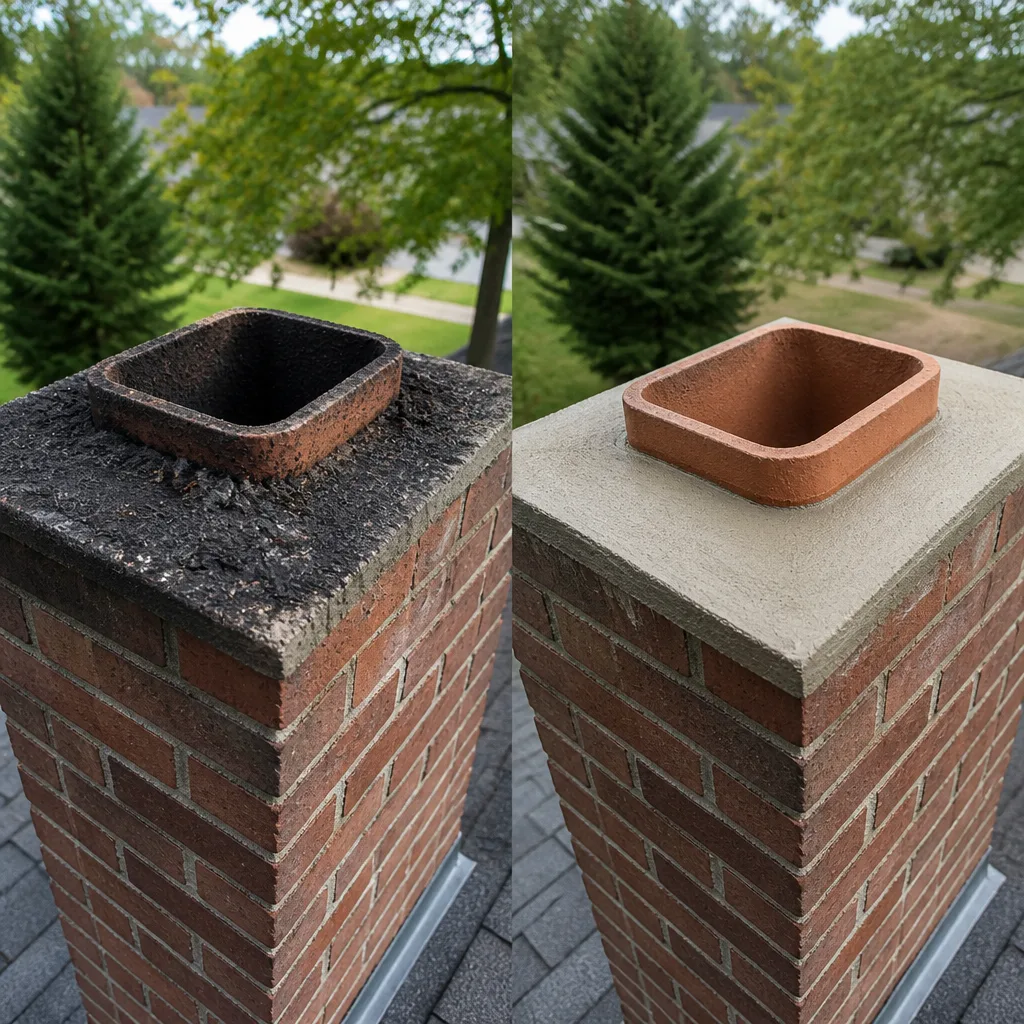 Sweep & inspection
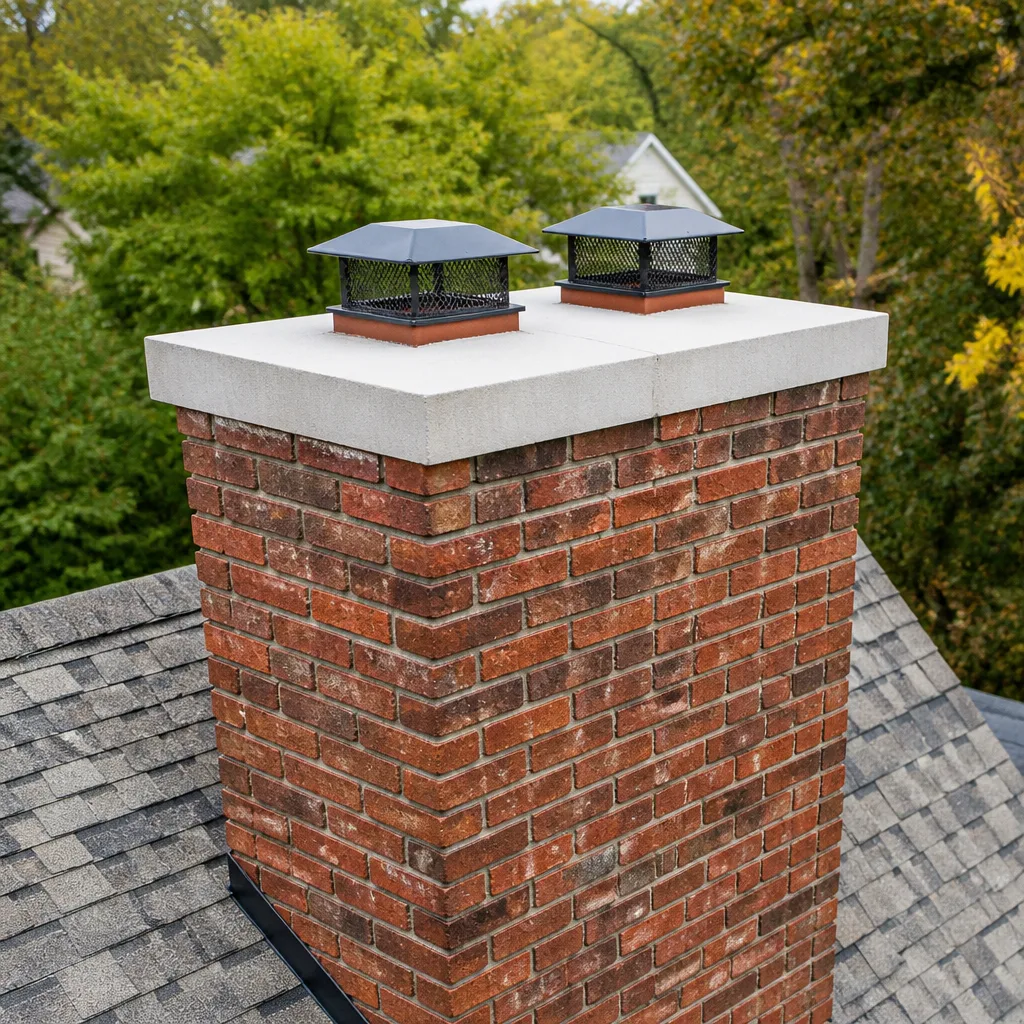 Caps & crowns
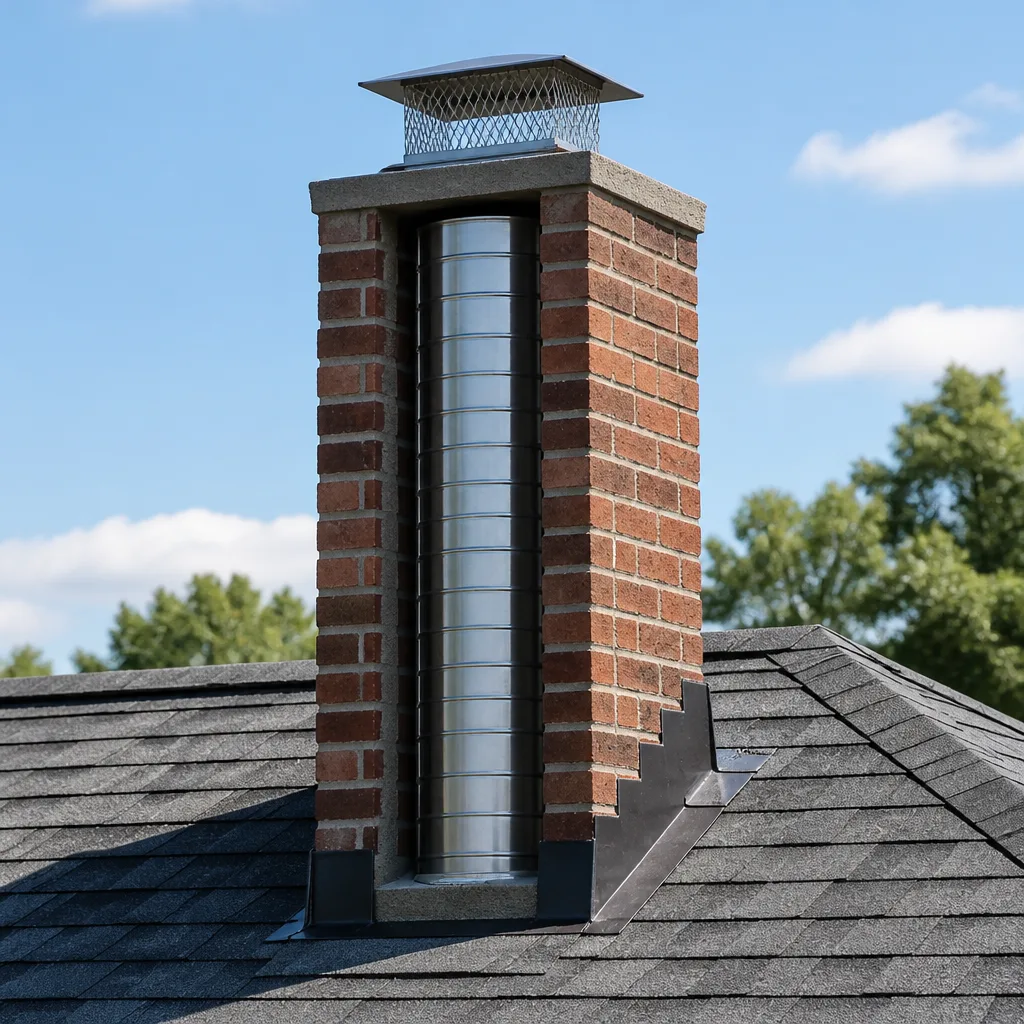 Flue relining
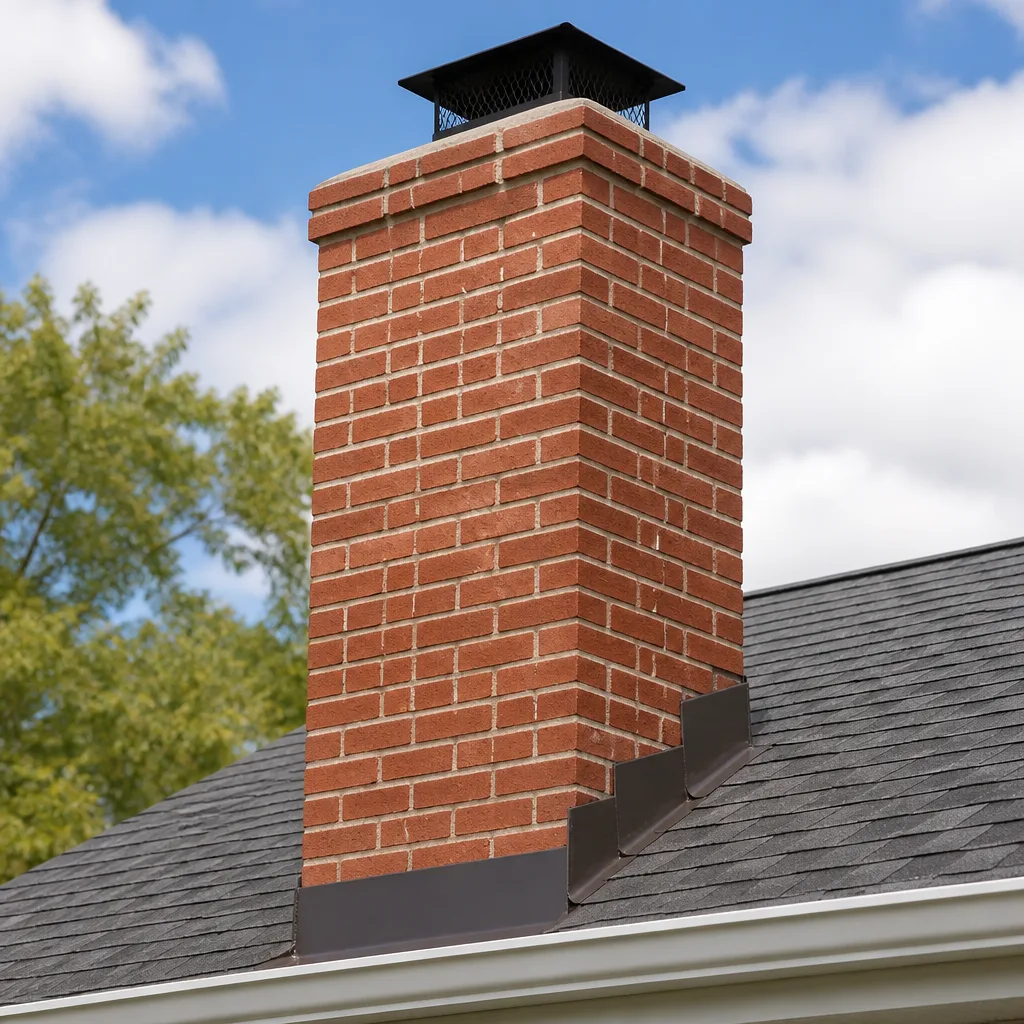 Masonry repair
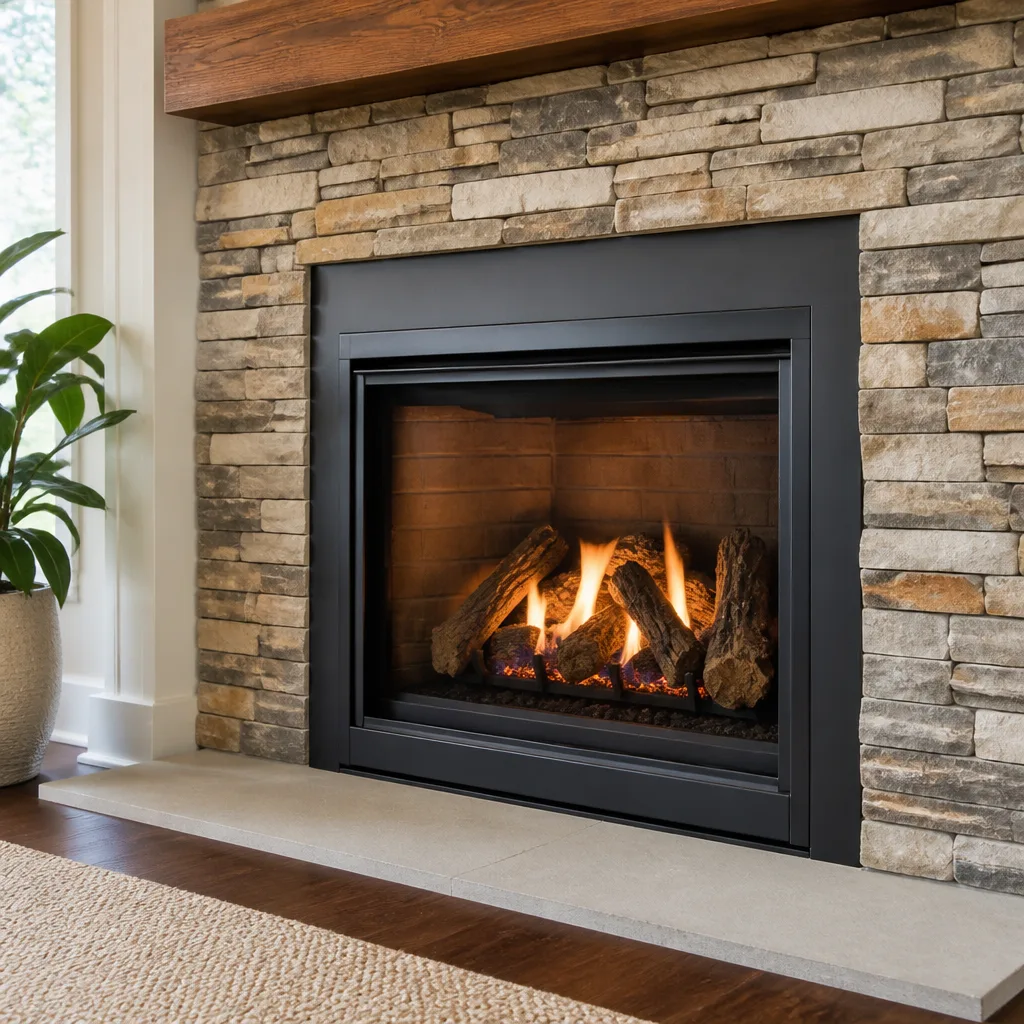 Gas fireplace service
Level 1 sweep and inspection to the NFPA 211 annual standard - flue, crown, cap, and flashing checked and photographed
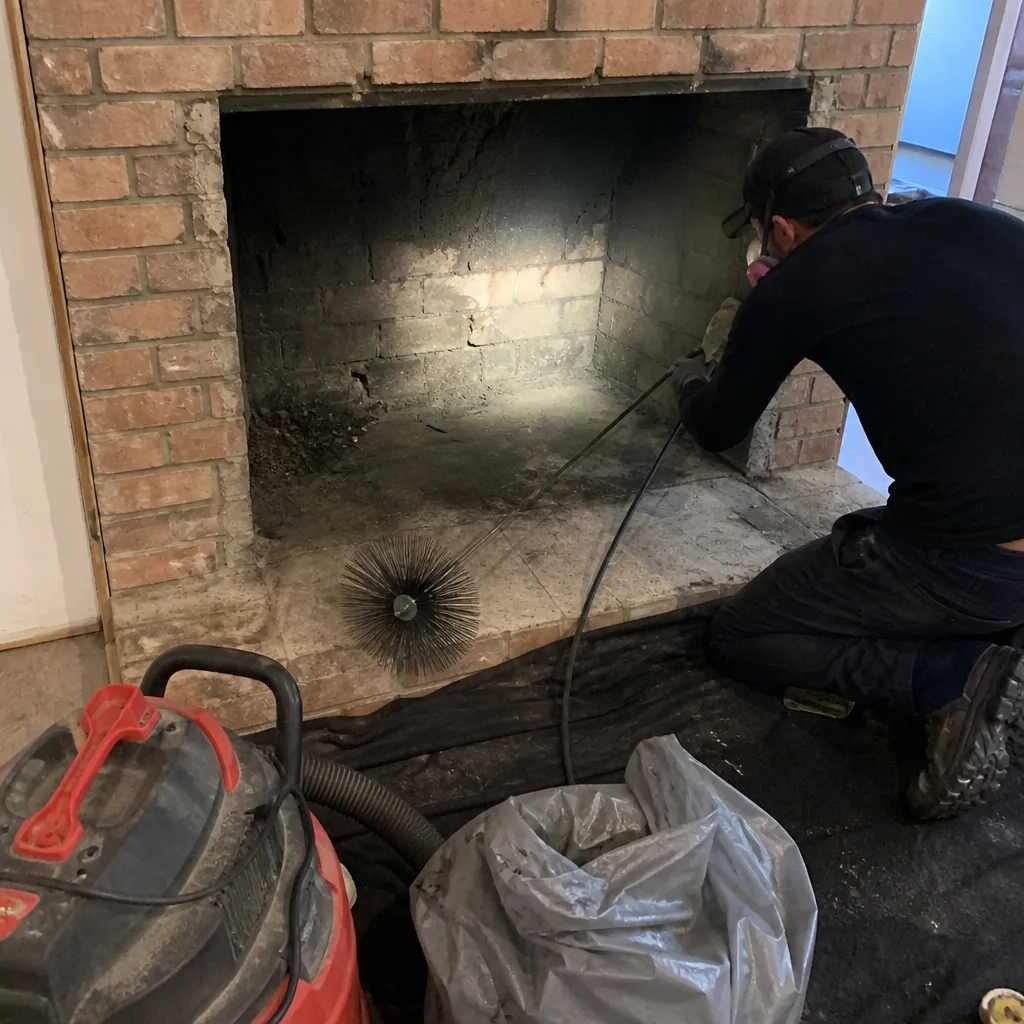
Chimney sweep logs do not sweep chimneys. They loosen some creosote - which then falls where a brush and vacuum still have to collect it.
The Complete Guide to Chimney Cleaning in Spring Hill
Most chimney cleaning guides are written for northern climates where fireplaces run four or five months a year. Spring Hill homeowners fire theirs a dozen times in December and January, maybe a few more on cold snaps, and that low-use pattern actually creates its own buildup and deterioration risks that standard advice ignores. A flue that sits idle for ten months gathers moisture, nests, and a thin film of acidic residue that never gets the hot burn that would clear it. This guide walks through what cleaning and inspection actually mean for a Florida flue system, from moisture-driven creosote behavior to the screening that keeps wildlife out, and how gas inserts, wood fireplaces, and dryer vents each fit into the picture.
Quick Answer
A chimney cleaning in Spring Hill should remove soot, creosote, and nesting debris from the flue, include an inspection that matches your appliance and home, and end with a written report you can read and keep. Most seasonal-use wood fireplaces here need a sweep about once a year, checked before the first cool-weather burns rather than after. A cleaning is not just about what you can see from the hearth; it is about what the camera and the brush find higher up.
Styles & brands we work with
- Sweep & inspection
- Caps & crowns
- Flue relining
- Masonry repair
- Gas fireplace service
Table of Contents
- Why Chimney Cleaning in Spring Hill Is Different From Northern Advice
- How Humidity Changes Creosote Formation
- Wildlife, Insects, and the Rarely-Used Flue
- Inspection Levels Explained: What Applies to Your Home
- What a Completed Cleaning Should Look Like on the Report
- Gas Fireplaces and Wood Inserts: Different Cleaning Needs
- How Often Should You Schedule a Sweep?
- When a Sweep Finds a Problem: Repair Without a Second Contractor
- Don’t Forget the Dryer Vent
- Common Mistakes to Avoid
- When to Call a Professional
- Frequently Asked Questions
Why Chimney Cleaning in Spring Hill Is Different From Northern Advice
The standard cleaning advice you’ll find online assumes a fireplace that runs hard for months and then sits through a cold winter. That’s not the pattern here. In Spring Hill, a wood-burning fireplace typically sees a season that’s short and intermittent: a fire on a cool December evening, another in January when a front pushes through, and then nothing until the following year. Low use does not mean a clean flue. It means the flue spends most of the year damp, undisturbed, and open at the top.
That shifts the whole picture of what a cleaning is for. Up north, the main concern is heavy creosote from constant burning. In Spring Hill, the concerns spread out across three areas:
- Moisture and the residue it leaves. A flue that’s cool and humid most of the year holds a film on the liner that a hot fire would normally dry and burn away. That film matters because it’s acidic and it’s sitting on masonry or a liner for months at a time.
- Nesting and intrusion. Ten months of an empty, sheltered chimney is an open invitation to wildlife. Birds, squirrels, wasps, and other insects find uncapped or poorly screened flues and move in.
- Deterioration nobody sees. Because the fireplace isn’t used much, small problems in the flue don’t announce themselves the way they would with constant fires. A cracked liner or a deteriorated crown sits quietly until a sweep puts a camera up there.
This is why a Spring Hill cleaning needs to be more inspection-driven than a straightforward northern soot removal. The buildup is lighter, but the things hiding behind it more often need attention. If you’ve been told your low-use fireplace “probably doesn’t need cleaning yet,” that’s not reliable here. The right question isn’t how much you burned; it’s what’s sitting in the flue the other ten months of the year.
Our technicians have up to 13 years of experience, much of it working Florida flues where these conditions are the norm. If you want a straightforward assessment of your system, the place to start is a chimney sweep with a proper inspection attached to it.
How Humidity Changes Creosote Formation
Florida’s ambient humidity affects creosote even when you barely burn. Creosote is a byproduct of incomplete combustion, and it forms in a few different consistencies, from a light, powdery soot to a hard, glazed coating. In a humid climate with an underused fireplace, what typically develops is a thin film of soot mixed with condensate that deposits on the flue walls and, over time, reacts with moisture in the air. The result is a residue that doesn’t look dramatic but is stubborn and acidic.
Here’s what actually happens from a practical standpoint:
- Combustion produces smoke and moisture. Burning wood always produces water vapor along with the smoke; that’s normal.
- A cool flue means slower draft. When the fire is small and the outside air is warm or humid, the flue doesn’t heat up enough to pull smoke out efficiently. That smoke lingers and deposits.
- Between fires, the flue stays damp. In a humid climate, the moisture that settled on the liner during a burn doesn’t dry out the way it would in a cold, dry northern winter.
- The residue sits and reacts. What’s left behind is a film that bonds to masonry or metal liner surfaces and accumulates season after season.
None of this means a Spring Hill homeowner has to sweep constantly. It means the “burn it hot and it’ll self-clean” advice from cold-climate guides doesn’t translate well. The right approach is a proper cleaning at an appropriate interval and an inspection that looks at the liner condition closely, because a residue film plus an aging liner is a combination that deserves attention.
Trying to solve a moisture problem by burning hotter is not the answer, and neither is any improvised treatment. The verification path is straightforward: have the flue cleaned and inspected, look at what the camera sees, and decide from there. Our inspections use a camera with a photo report precisely so you can see what we’re seeing rather than take it on faith.
Wildlife, Insects, and the Rarely-Used Flue
In Spring Hill, wildlife and insect nesting in rarely-used flues is a primary cleaning trigger, not a side issue. A chimney that’s used ten times a year is effectively an open, sheltered cavity for the other fifty-plus weeks, and it’s a good spot for a bird, squirrel, or wasp colony to set up. The animal component is often what gets people to call, more than soot ever will.
What wildlife in the flue actually produces:
- Nesting material (twigs, leaves, grass, insulation shreds) that can block part of the flue and disrupt draft.
- Droppings and debris that build up on the smoke shelf and damper, which can produce odors in the home even when the fireplace isn’t lit.
- Insect nests, particularly wasps and mud daubers, often near the top of the flue or inside the cap.
- A blocked cap or damaged screen, which invites the next round of intrusion.
The long-term answer is a proper cap and screen on the chimney outlet. A cap keeps out rain and animals; a screen attached to it keeps insects out. Many Spring Hill homes have a cap that’s missing, rusted through, or was never fitted with a screen, which is why the intrusion keeps happening. When a sweep finds a damaged cap, the right fix is a purpose-built component rather than an improvised cover. We source chimney caps through Gelco and Copperfield, both established supply networks in the trade, so the cap is the correct size and material for the flue rather than a hardware-store approximation.
If you’ve heard scratching, chirping, or a hum inside the chimney when there’s no fire, that’s a good sign something has moved in. Don’t light a fire to drive it out: that’s a real fire risk if nesting material is present. Get the flue cleaned and inspected first, then address the cap or screen so it doesn’t happen again.
Inspection Levels Explained: What Applies to Your Home
Not every Spring Hill cleaning needs the same depth of inspection, and it’s worth understanding the three recognized levels so you know what you’re paying for and what you’re getting. The levels don’t inherently make one better than another; each is the right answer for a particular situation.
Level 1 inspection. This is a visual check of readily accessible portions of the chimney, the firebox, the flue, and the appliance connection, without special tools. It’s appropriate when the system is unchanged, the home has an ordinary seasonal-use fireplace, and nothing has happened to suggest a problem. Most routine annual sweeps on a straightforward Spring Hill wood fireplace fall here.
Level 2 inspection. This adds a camera-based internal inspection of the flue and includes checking accessible parts of the chimney, the attic and crawl spaces if reachable, and the flue’s condition along its whole run. It’s appropriate when something has changed: a new appliance or insert, a change of fuel type, a property purchase (a new-to-you home), a chimney fire, a severe weather event, a flue that’s been damaged, or a persistent issue the visual inspection can’t explain. This is the level that catches the crack or gap you can’t see from the hearth.
Level 3 inspection. This is the most involved and is used when a Level 2 inspection finds a problem that requires removing parts of the chimney or surrounding structure to inspect further. It’s rarely the first step, and it’s only done when the specific problem demands it.
For a typical Spring Hill home with a seasonal-use wood fireplace, a Level 1 inspection attached to a routine cleaning usually covers the need. A camera inspection is included in our work because a look from the top and bottom tells you the liner condition clearly, and that’s the piece most homeowners want to see, not be told. If you’ve moved into a home here and don’t know the chimney’s history, a Level 2 inspection is a sensible starting point. If a sweep turns up a crack or a deteriorated lining that needs closer review, we’ll explain exactly why a more involved inspection is called for. Nothing more involved is recommended without camera evidence you can look at yourself.
What a Completed Cleaning Should Look Like on the Report
A good cleaning ends with a written report that tells you what was found and what was done, not just an invoice with “chimney sweep” on it. If you’ve ever paid for a cleaning and come away unsure what was actually cleaned, the report is the answer. Here’s what to verify when you read yours.
- The degree of soot and creosote found. A report should note what was present in the flue and roughly how much, so you know the baseline for next year.
- The cleaning method used. A straightforward flue clean is different from a more involved process on glazed creosote; the report should say which applied.
- The condition of the flue liner. Whether the liner is sound, cracked, or deteriorated, stated plainly and backed by camera photos where relevant.
- The state of the firebox, damper, and smoke shelf. These are the parts you can reach; a report should confirm they were cleaned and describe their condition.
- The cap and screen. Present, intact, screened, or damaged? If there’s no screen, that should be flagged.
- The crown and exterior. A check of the chimney crown and visible masonry for cracks or spalling, since a bad crown lets water into the flue.
- Any recommended repair, with the evidence. If the report recommends liner work, resurfacing, or a new cap, the reason should be shown (a photo you can look at), not just asserted.
The point of verification is that you should never be told you need thousands of dollars of work you can’t check for yourself. Camera inspection and a photo report are part of our work for that reason. And a good report will also tell you when work can safely wait. A light coating of residue isn’t an emergency; a cracked liner is a different conversation. You deserve to be told which you’re looking at.
Gas Fireplaces and Wood Inserts: Different Cleaning Needs
Gas fireplaces and wood-burning inserts are both common in Spring Hill homes, and they don’t get the same cleaning treatment. Knowing which you have matters because the inspection focus differs.
Wood-burning fireplace or wood insert. This is the classic sweep scenario: soot and creosote removal from the flue and firebox, plus inspection of the liner and the insert’s connection. A wood insert often has its own flue liner sized to the unit, and a badly fitted or deteriorating liner connection is a real concern. Sweeping intervals for wood focus on the accumulation of creosote, which depends on how you burn (seasoned wood at the right size produces less than wet or oversized wood).
Gas fireplace. Gas fireplaces produce no creosote, so the cleaning focus is different. The important work is checking the vent and the vent termination, the burner and the refractory logs for debris or dust, and the condition of the vent system. Gas units can still accumulate dust, spider webs, and debris in the vent over time, and a blocked or disconnected vent is a carbon monoxide concern, not a soot concern. A gas fireplace is also a common place for insects to nest in the vent termination. Cleaning a gas fireplace is less about soot and more about making sure the vent is clear and the appliance is venting as designed.
A word on a scene we see a lot in Spring Hill: a wood insert retrofit into an older fireplace where the original flue wasn’t relined correctly. This is where a proper inspection pays off. If the insert is connected to a flue that’s undersized or damaged, that’s worth knowing about. We specify DuraFlex flexible liner systems when a reline is needed, a professional-grade product designed for the application. That’s a repair, not a cleaning, but it’s exactly the kind of problem a proper inspection should surface before it becomes a safety issue.
How Often Should You Schedule a Sweep?
For most Spring Hill homeowners with a seasonal-use wood fireplace, one cleaning and inspection a year is the sensible baseline, done before you start burning in the fall rather than after. The Northern advice of “once a year or after a cord of wood” still roughly applies, but since most people here don’t burn a full cord, the calendar matters more than the wood count. Inspecting before the season means any problem gets fixed before you’re relying on the fireplace.
Some situations call for more frequent attention:
- You’ve had an animal in the flue or a damaged cap: clean and inspect once the intrusion is resolved.
- The flue has a thin, persistent film that doesn’t clear with normal cleaning: it’s worth looking at liner condition more closely.
- You’ve had a chimney fire or a severe weather event: this is a Level 2 inspection situation, not just a sweep.
- You’ve recently bought the home and don’t know the chimney’s history: a full inspection is a smart first step.
- You burn frequently during winter with an insert or stove: reassess the interval based on how much you burn and the creosote the report noted last time.
Between professional cleanings, what you can do yourself is limited to what’s safely reachable: keep the firebox clear of ash to a reasonable level, burn seasoned wood, and check that your cap and screen are intact when you can see them from the ground. The work inside the flue is a professional job, and that’s a safety line worth respecting. Get a free estimate if you’re not sure when you’re due: call (855) 360-8361. We answer 24/7, with fast dispatch from 7am to 7pm, Sunday through Friday.
When a Sweep Finds a Problem: Repair Without a Second Contractor
The most common friction point in chimney work is getting a sweep, being told something’s wrong, and then having to find a separate contractor to do the repair, often weeks later. We handle cleaning and repair under one company so that when a sweep reveals a cracked liner, a damaged crown, or a failed cap, the fix doesn’t wait for another scheduling round. A problem found during the sweep can be explained and scheduled on the same visit, without a referral lag.
The repairs a sweep commonly surfaces, and how they’re handled:
- A deteriorated or cracked flue liner. Relining is the fix. We specify DuraFlex flexible liner systems, a stainless system engineered for the application rather than generic flex pipe.
- A rough or spalled flue interior that isn’t yet failed. This is where resurfacing comes in. We apply HeatShield chimney resurfacing compound, a product designed specifically for restoring deteriorated flue interiors, rather than an improvised patching material. It’s a professional resurfacing system, not a slap of cement.
- A damaged or missing cap. Replaced with a purpose-built cap. We source these through Gelco and Copperfield.
- A cracked chimney crown. Repaired so water doesn’t get into the flue.
One thing we want to be clear about: not everything found is urgent. A report might note a light coating of residue and a cap that’s fine. Or it might find a liner compromise that genuinely shouldn’t wait. We’ll tell you which is which, with the camera evidence to back it up. If the work can safely wait, we’ll say so. If you’ve had a vague estimate from someone else and want a second look with photos, that’s a reasonable request, and it’s exactly how our inspections are structured.
Don’t Forget the Dryer Vent
Most chimney companies stop at the chimney. We include dryer vent cleaning as a core service because a blocked dryer vent is one of the leading household fire hazards, and it’s the vent route most homeowners never think about. Lint accumulates in the duct every time the dryer runs, and it’s highly flammable. A clogged vent also makes the dryer work harder and run longer, which is often the first sign something’s off.
What dryer vent cleaning involves is a proper clean of the full duct run, not just the part behind the dryer. We check the termination outside for a functioning damper and clear the path. We also look at the duct material; flexible foil or plastic duct can sag and trap lint, where rigid metal duct performs better. If you’ve noticed your dryer taking two cycles to dry a load or the outside vent flap not opening, the vent is worth checking.
Pairing a chimney cleaning with a dryer vent cleaning is a practical way to handle both fire-safety vents in one visit. Neither is glamorous work, but both are about keeping a system clear that, if blocked, creates a real risk.
Common Mistakes to Avoid
- Assuming low use means no cleaning needed. A fireplace burned a dozen times a year still sits with a damp, acidic film for the other months. The right question is what’s in the flue, not how much you burned.
- Not screening the cap. A cap without a screen keeps rain out but not birds, squirrels, or wasps. The screen is what solves the intrusion problem, and skipping it means paying for the same cleaning twice.
- Lighting a fire to clear an animal or nest. If something has moved into the flue, nesting material is a fire risk. Get it cleaned and inspected first, then cap and screen the flue.
- Accepting a repair recommendation without seeing evidence. If someone tells you the liner needs replacing and can’t show you the camera footage, ask. You’re entitled to see the condition of your own flue.
- Skipping the report. A cleaning without a written report leaves you with no baseline for next year. Make sure you get one.
- Treating a gas fireplace like a wood one. Gas units don’t produce creosote; their cleaning is about the vent and appliance condition. Don’t assume “no soot” means “nothing to check”.
- Forgetting the dryer vent. It’s a separate vent with its own fire risk. It deserves a cleaning interval of its own.
When to Call a Professional
Some chimney work is genuinely do-it-yourself territory; most of it isn’t. Call a professional if any of the following apply to your home in Spring Hill: you hear scratching or chirping from the chimney when there’s no fire; your cap or screen is missing or damaged; you can see cracked or crumbled material in the firebox or flue; the fireplace smells smoky or musty when not in use; you’ve had a chimney fire or a severe weather event; you’ve just moved into a home and don’t know the chimney’s history; or it’s simply been more than a year since the last cleaning. On the dryer side, call if clothes take more than one cycle to dry or the outside vent flap stays closed when the dryer runs. Chimney Sweep Spring Hill offers free estimates in Spring Hill; call (855) 360-8361. We answer 24/7, and a sweep is booked with fast dispatch from 7am to 7pm, Sunday through Friday.
Frequently Asked Questions
A standard chimney sweep and inspection is typically a moderate, per-job cost that depends on the flue length, the degree of buildup, and whether any repair is found. Because the right scope varies by home, the written estimate sets the final price. Call (855) 360-8361 for an exact quote; estimates are free.
Yes. Cleaning and inspection happen on the same visit, and the camera check is included with the work rather than booked separately. The report you leave with describes the flue condition and any recommended repair, with the evidence behind it. Call (855) 360-8361 to schedule.
Not every flue needs a new liner, and a liner is only recommended when the camera shows a real compromise: cracks, gaps, or a deteriorating interior that a wood fire can’t safely vent through. You should see the footage before any reline is agreed. If you’ve been told you need a liner without seeing the evidence, get a second look. Call (855) 360-8361 for a free estimate that includes the camera inspection.
For a seasonal-use wood fireplace, once a year before the burning season is the sensible baseline. Gas fireplaces need the vent and appliance checked on a similar schedule even though they produce no creosote. If an animal has been in the flue, the cap is damaged, or you’ve had a chimney fire, get it looked at sooner. Call (855) 360-8361 to book a sweep.
Two things follow from a skipped cleaning: creosote and residue accumulate, which raises fire risk, and small problems in the liner or cap go unnoticed, which is where bigger repairs come from. In a low-use Spring Hill flue, the animal intrusion and moisture angle is just as real as soot buildup. A sweep and inspection catches it before the season starts. Call (855) 360-8361 for a free estimate.
A wood fireplace produces soot and creosote that need physical removal from the flue, while a gas fireplace produces no creosote; its cleaning focus is the vent system, dust and debris, and the appliance’s condition. Both need checking. A gas vent that’s blocked or disconnected is a carbon monoxide concern. Call (855) 360-8361 and tell us which appliance you have; we’ll match the work to it.
The Bottom Line
Cleaning a chimney in Spring Hill is less about how much you burned and more about what the flue does the rest of the year. Humidity leaves a stubborn, acidic film even on a fireplace used a dozen times; idle flues collect wildlife and insects; and a fallen or damaged cap is a recurring problem that a proper screen solves. The right approach is an annual sweep and inspection that matches your appliance, a written report with camera evidence, and a company that can carry out the repair when the sweep reveals one. Our technicians have up to 13 years of experience and work with professional-grade systems including DuraFlex, HeatShield, Gelco, and Copperfield. If you’re in Spring Hill and want a straightforward assessment, call (855) 360-8361 for a free estimate. We answer 24/7, and fast dispatch from 7am to 7pm, Sunday through Friday.
Ready to book? Call (855) 360-8361 or visit Chimney Sweep Spring Hill to get started on a cleaning, a repair, or a dryer vent service. Estimates are free, and the written estimate sets the final price.
Written by the team at Chimney Sweep Spring Hill.
See the difference
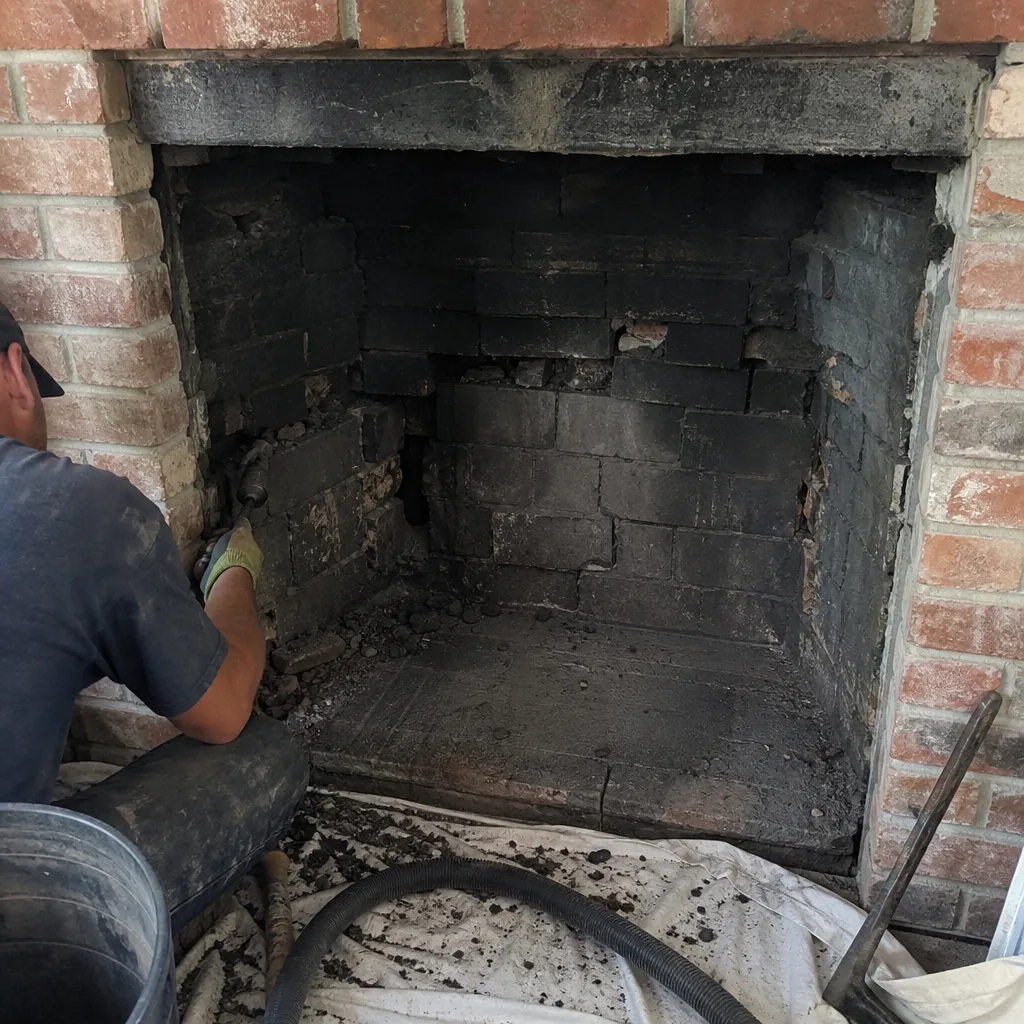 Before
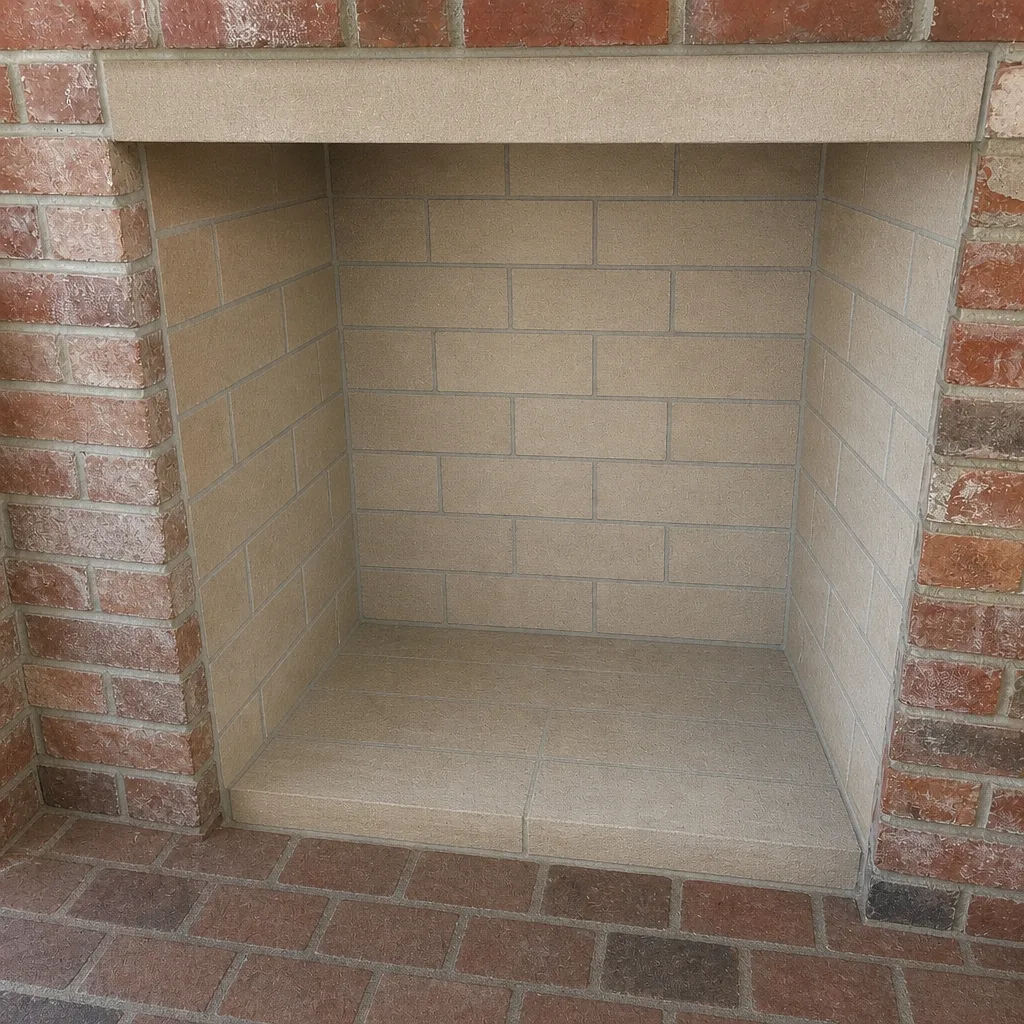 After
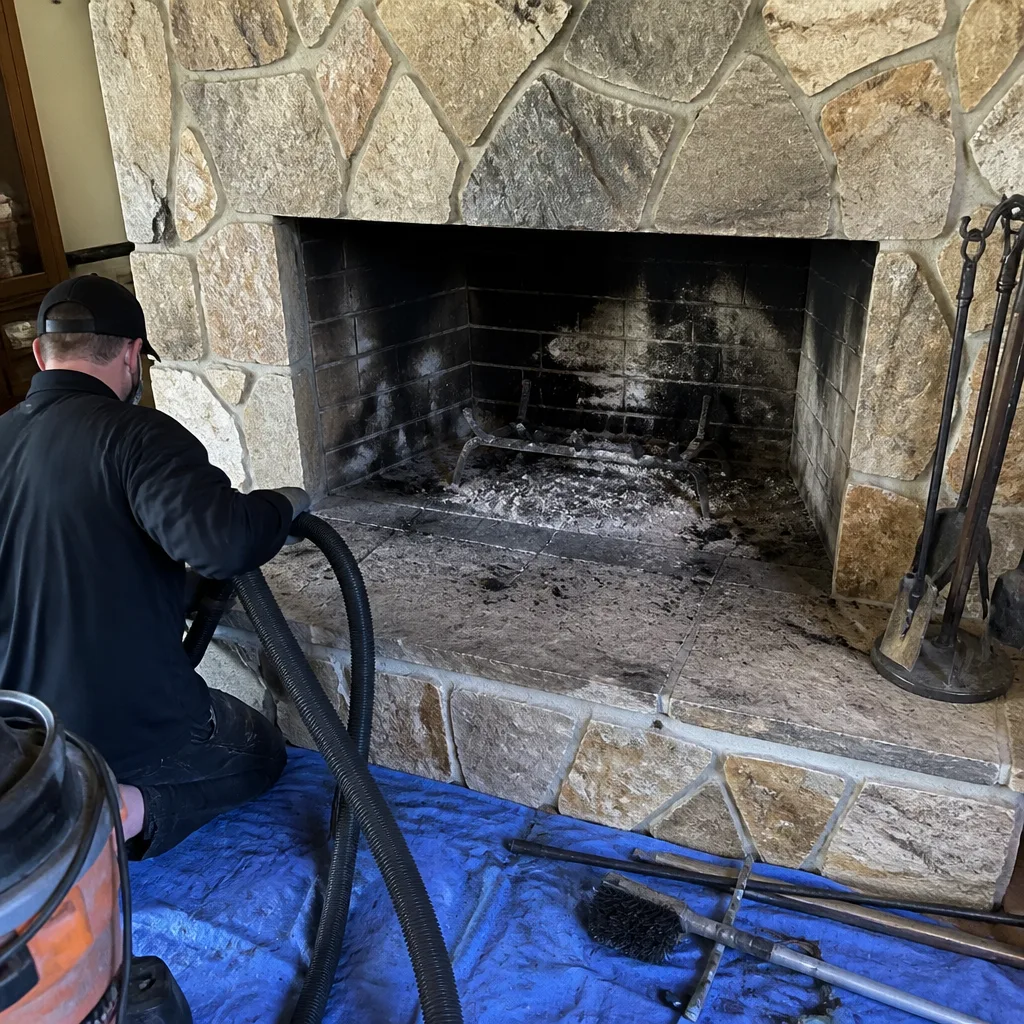 Before
 After
 Before
 After