
Last updated November 14, 2026
 Sweep & inspection
 Caps & crowns
 Flue relining
 Masonry repair
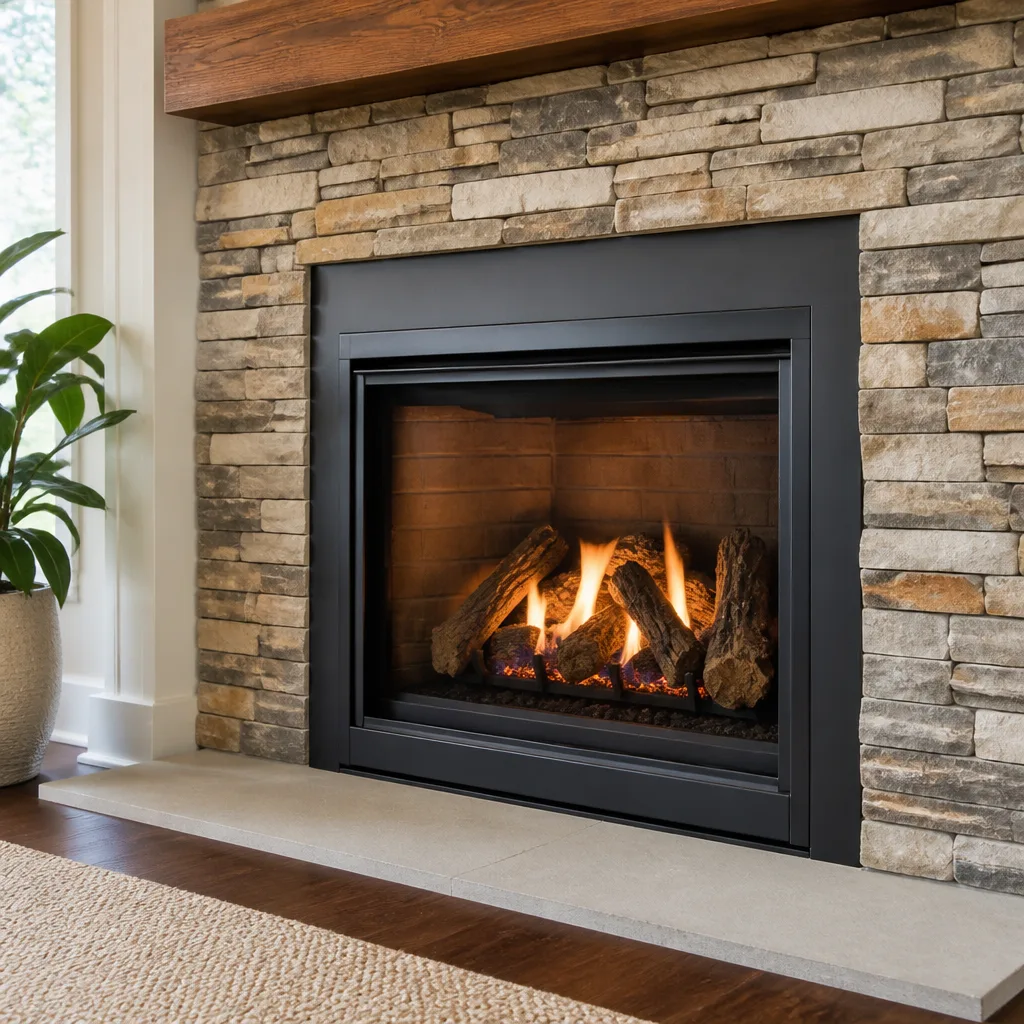 Gas fireplace service
Level 1 sweep and inspection to the NFPA 211 annual standard - flue, crown, cap, and flashing checked and photographed
Chimney sweep logs do not sweep chimneys. They loosen some creosote - which then falls where a brush and vacuum still have to collect it.
Seasonal Chimney Cleaning Care for Spring Hill: Year-Round Homeowner’s Guide
Most chimney care advice is written for places with four distinct seasons, where the fireplace rests all summer and the first frost is a clear signal to book a sweep. Spring Hill doesn’t work that way. Our burn season is short and unpredictable, often arriving with a December cold front and gone again by February, and the flue then sits idle through eight months of heat and humidity. That inverted rhythm changes almost everything about how and when you should maintain a chimney here. In this guide, we’ll walk through the actual seasonal calendar for a Spring Hill chimney: why a February cleaning often tells you more than an October one, what summer does to an uncapped flue, how to weatherproof for the rainy season, and when to schedule repair work so it cures before you need the fireplace again.
Quick Answer
In Spring Hill, chimney care should follow the local climate rather than a four-season schedule: sweep after the burn season ends (typically February) when the fire has revealed any problems, inspect and repair during the long warm months so materials cure fully before the next use, and weatherproof the crown, cap, and flashing ahead of the summer rainy season. A post-season cleaning is often more diagnostic than a pre-season one because it happens right after the fireplace has actually been worked.
Styles & brands we work with
- Sweep & inspection
- Caps & crowns
- Flue relining
- Masonry repair
- Gas fireplace service
Table of Contents
- Why Post-Season Cleaning Beats Pre-Season in Spring Hill
- What Happens Inside Your Flue During Eight Months of Summer
- Weatherproofing for Florida’s Rainy Season
- The Right Time to Schedule Liner and Masonry Repair
- How Coastal Humidity Affects Mortar and Metal
- Preparing for the First Cold Front
- The Dryer Vent: The Year-Round Hazard Most Guides Skip
- Your Spring Hill Chimney Calendar, Month by Month
Why Post-Season Cleaning Beats Pre-Season in Spring Hill
Booking a sweep in October feels sensible if you grew up somewhere cold. The logic is: clean the chimney, then burn. But that logic assumes a long, steady burn season that starts on schedule. In Spring Hill, the first genuinely cold front can arrive in December and the last one often passes by early February. If you sweep in October, you’re cleaning a flue that hasn’t been used since last winter and won’t be used for another two months. You’re guessing at what the season will produce instead of examining what it actually produced.
A cleaning done in February, right after the burn season winds down, is a diagnostic opportunity. The creosote deposits are real, not theoretical. Any cracks, gaps, or loose joints that opened up under heat cycling are visible. If the fire drew poorly on a cold night, the evidence is still in the flue. That’s the difference between a sweep that confirms everything is fine and a sweep that actually finds something.
There’s a second advantage to February cleaning that has nothing to do with the inspection itself: time. If the sweep turns up a cracked liner or deteriorated mortar joint, you have roughly nine months to get the repair done and let it cure before you need the fireplace again. Schedule that same repair in November and you’re racing the first cold front with a fresh liner joint or resurfaced flue that hasn’t had time to fully set. In our experience, the homeowners who end up making rushed decisions are the ones who waited until they wanted a fire to think about the chimney.
For a room-by-room explanation of what a professional sweep actually involves, see our guide to a chimney sweep in Spring Hill.
What Happens Inside Your Flue During Eight Months of Summer
Your chimney is a venting system, and like any venting system, it’s designed around airflow and pressure. During the burn season, heat rising through the flue keeps it dry and moving air. During the other eight months in Spring Hill, that same flue sits at ambient temperature and humidity, which is a very different environment. Here’s what tends to happen inside a flue that goes dormant from March through November:
- Humidity condenses on cool interior surfaces. Warm, moisture-laden air rises into the flue and meets cooler masonry or metal, and condensation forms. That moisture sits against mortar joints and metal liner seams for weeks at a time.
- Creosote softens and re-hardens. Deposits left from the burn season can absorb moisture, swell, and then dry out again, which changes their texture and can make them harder to remove later. A sweep done in February removes deposits while they’re still relatively fresh.
- Wildlife moves in. An uncapped or poorly screened flue is an open vertical cavity, and birds, squirrels, and insects treat it as shelter. Nesting material is a fire hazard and blocks the flue’s cross-section.
- Debris accumulates. Leaves, twigs, and grit drop down an open flue and collect on the smoke shelf or damper ledge, restricting draft before you ever light a fire.
- Metal components corrode. A steel damper, a metal cap, or a liner’s stainless surface exposed to persistent humidity and no drying airflow will show corrosion faster than the same component in a drier climate.
The practical takeaway: an uncapped flue in Spring Hill isn’t just a draft problem, it’s an invitation for eight months of moisture and wildlife. A properly sized, screened cap is one of the least expensive pieces of chimney hardware you can install, and it does more for long-term flue health than almost anything else. We specify Famco and Copperfield components for caps and venting because they’re purpose-built for the job rather than improvised hardware from a home improvement aisle.
Weatherproofing for Florida’s Rainy Season
Spring Hill’s rainy season typically runs from late spring through early fall, which means it overlaps almost exactly with the period your chimney is dormant. That’s the window when water does the most damage to a flue that isn’t being dried out by regular fires. Weatherproofing ahead of the rainy season is arguably the single most important piece of seasonal care a homeowner here can do. It comes down to three components: the crown, the cap, and the flashing.
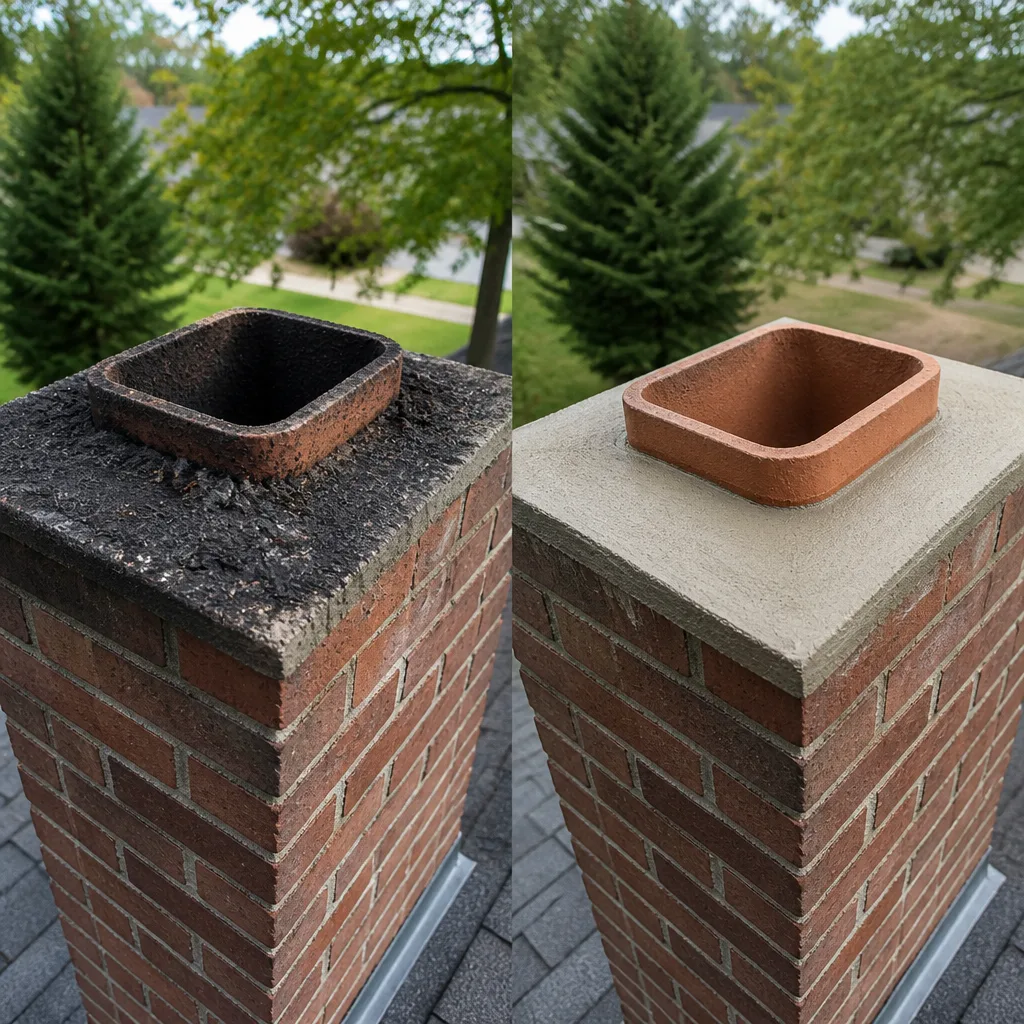
The crown. The crown is the concrete or masonry cap at the very top of the chimney that sheds water away from the flue opening. A cracked crown lets water run down into the chimney structure, where it soaks into masonry and works its way toward interior ceilings. Small hairline cracks can often be sealed with a flexible crown coating; a badly deteriorated crown may need a full rebuild. This is work to schedule in the spring, before the rains, so any coating or repair has time to fully cure before it’s tested.
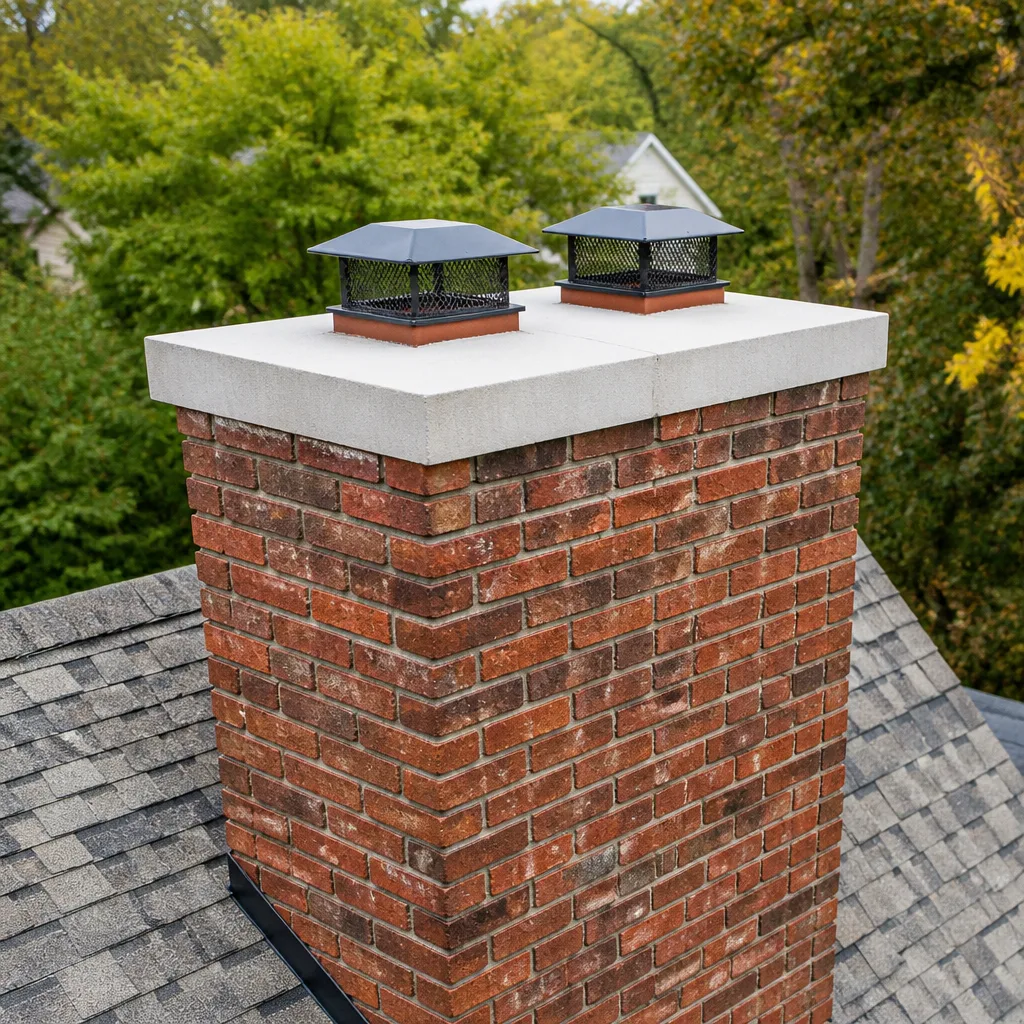
The cap. A chimney cap serves two jobs: it keeps rain out of the flue opening and it keeps wildlife out. The right cap is sized to the flue, screened to the right mesh, and installed so it doesn’t restrict draft. We source caps through Famco and Copperfield, and matching the cap to your flue’s actual dimensions matters more than people expect: an oversized or undersized cap either blocks airflow or leaves gaps.
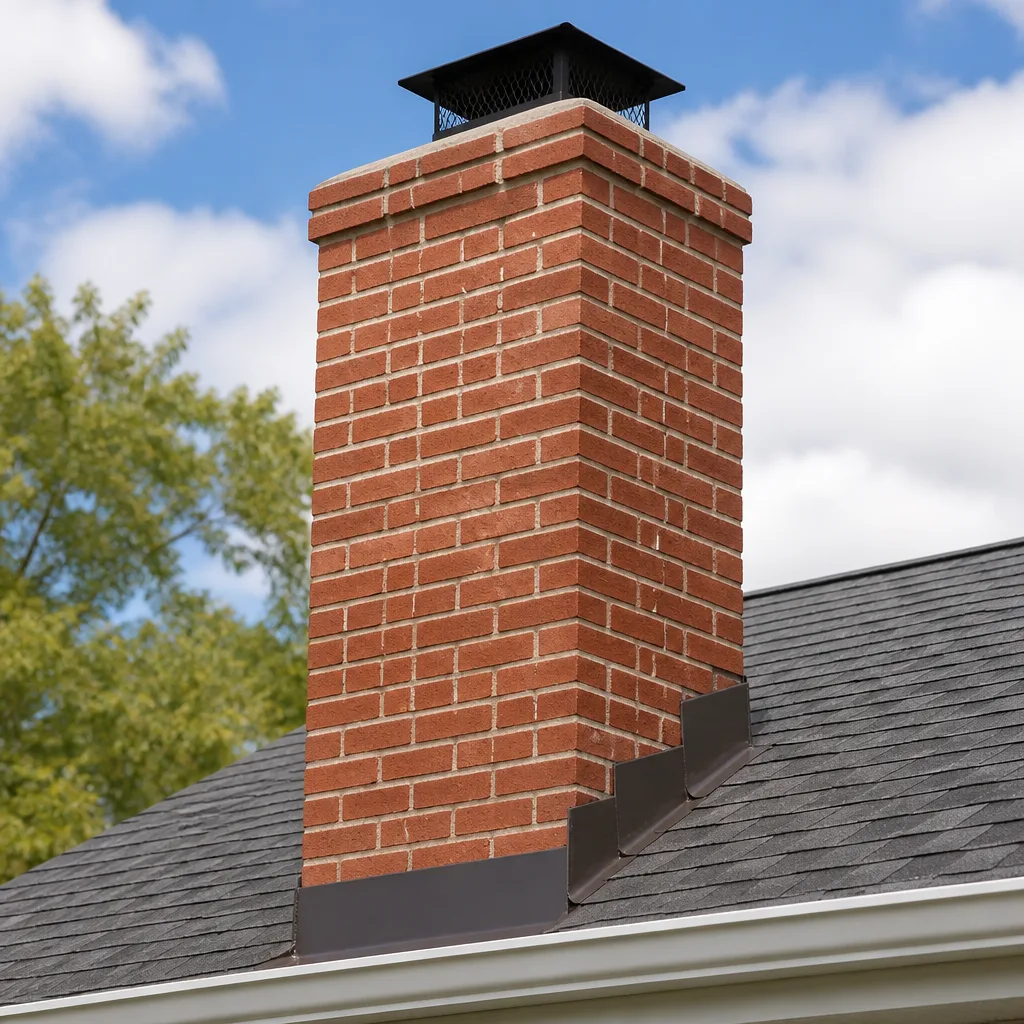
The flashing. Flashing is the metal where the chimney meets the roof. Failed flashing is one of the most common sources of roof leaks around a chimney, and in a climate with heavy summer rain, a small gap becomes a persistent drip. Flashing repairs are best done in dry weather, which in Spring Hill usually means spring or late fall.
If it’s been a few seasons since anyone looked at your crown, cap, or flashing, that inspection belongs at the top of the list. A Chimney Sweep Spring Hill sweep includes a look at all three as part of the assessment.
The Right Time to Schedule Liner and Masonry Repair
Timing repairs around the burn season isn’t just about convenience, it’s about chemistry. Resurfacing compounds, crown coatings, and masonry mortar all need to cure, and curing is a gradual process. A repair done two weeks before you want to light a fire is a repair that hasn’t fully set before it’s exposed to heat and draft. A repair done in the spring has all summer to reach full strength. Here’s the general scheduling rhythm that works well for a Spring Hill home:
- February: sweep and diagnose. Clean the flue right after the burn season and use that inspection to identify any liner, crown, or masonry issues.
- March through May: schedule the repair. Book the actual work early in the year so it lands before the rainy season and has the whole warm period to cure.
- Late spring: weatherproof. Get the crown, cap, and flashing in order before the summer rains begin.
- Summer: let it cure and stay dry. The repaired flue sits through the hot, humid months while materials fully set.
- Late fall: a quick visual check. Before the first expected cold front, confirm the cap is in place, the flue is clear, and the damper operates.
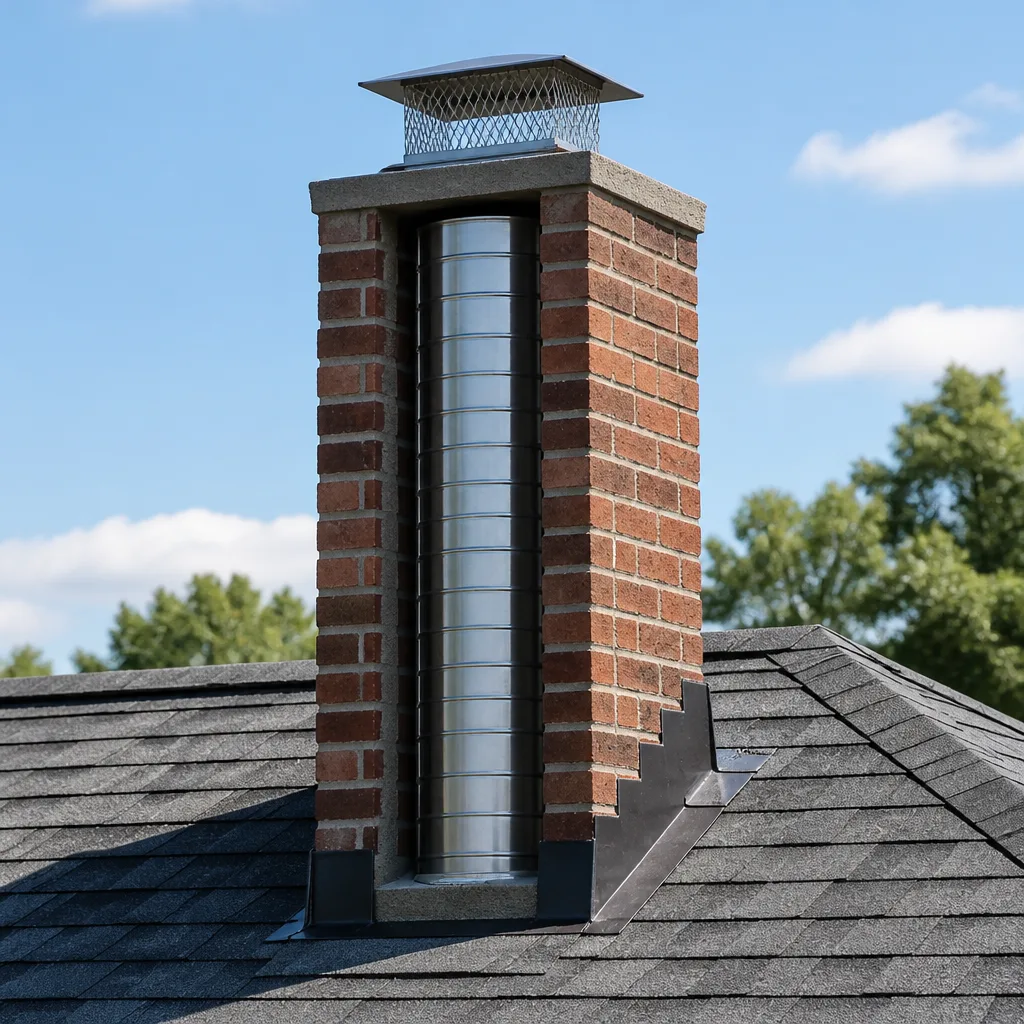
For a cracked or deteriorated flue liner, resurfacing is often the targeted fix rather than a full reline. We use HeatShield chimney resurfacing compound for that job because it’s designed specifically for restoring deteriorated flue liners, not a generic patching material. When a liner is too far gone for resurfacing and needs replacement, we specify DuraFlex flexible liner systems, which are engineered for the application rather than generic flex pipe. Having both options under the same company means a sweep that reveals a problem doesn’t turn into a separate project with a second contractor and a long scheduling gap.
If your assessment points toward a reline, our Spring Hill service page explains what that work involves. Whichever repair you need, the principle holds: diagnose after the burn season, then repair with enough runway before the next one.
How Coastal Humidity Affects Mortar and Metal
Spring Hill sits close enough to the Gulf that its summer air carries a real moisture load, and that humidity does two distinct things to a chimney over time. The first is to mortar joints. Brick and mortar are porous, and in a humid climate mortar stays damp longer between dry spells. Repeated wetting and drying, combined with the way a dormant flue holds moisture rather than venting it, causes joints to soften, crumble, and recede. Once mortar recedes, water gets deeper into the masonry on the next rain. Left long enough, that puts you on the path to a rebuild rather than a repoint.
The second is to metal. Stainless steel liner components, dampers, and caps all hold up well in normal conditions, but metal that stays damp and never gets the drying benefit of a hot flue will corrode faster than the same metal in a drier climate. This is one reason we’re particular about which systems we specify. A DuraFlex liner is built from stainless specifically so it tolerates moisture exposure over the long haul. A cap sourced through Olympia Chimney or Copperfield is built for the same reason. The products exist because the problem is real.
Inland Florida locations dry out faster in summer, so the timeline for mortar and metal degradation there is longer. Here, the combination of ambient humidity and a flue that’s dormant most of the year means visible deterioration can show up sooner than a homeowner might expect. That’s an argument for annual inspection rather than biennial: catching softened mortar early is a repoint; catching it late is a reconstruction.
Preparing for the First Cold Front
The first real cold front in Spring Hill tends to arrive quickly, sometimes with only a day or two of warning. When it does, a lot of homeowners light a fire for the first time in ten months and discover the damper is stuck, the draft is weak, or a bird got into the flue over the summer. A short prep routine in late fall prevents that. None of these steps involve opening the flue or working on anything high-tension; they’re visual and operational checks a homeowner can do safely.
- Look up at the cap. From the ground, confirm the cap is still in place, the screen is intact, and nothing is visibly blocking the flue opening. If the cap is missing or the screen is torn, call before you burn.
- Open and close the damper. Confirm it moves freely. A stuck damper either keeps smoke in the room or lets too much heat escape.
- Check for obvious debris in the firebox. Note anything that came down the flue over the summer. If there’s nesting material or a significant pile of debris, that calls for a professional cleaning, not a quick tidy-up.
- Confirm the flue has been swept since the last burn season. If it hasn’t, book a sweep before your first fire rather than after.
- Note any new moisture stains. Staining on the chimney breast or nearby ceiling can mean water is getting in somewhere, and that’s worth investigating before the next rain.
One caveat on the checks above: never reach into a flue or onto the roof to inspect or clean it yourself. Creosote is corrosive and flammable, and flue interiors and rooftop work are genuinely dangerous without the right training and equipment. A trained technician handles all of it.
The Dryer Vent: The Year-Round Hazard Most Guides Skip
Seasonal chimney care in Spring Hill shouldn’t stop at the fireplace. Dryer vent cleaning addresses one of the leading household fire hazards, and lint buildup doesn’t follow a burn season: it accumulates year-round. A clogged dryer vent restricts airflow, which means the dryer runs hotter and longer, and lint that collects near the heat source is exactly the fuel a fire needs. It’s the one venting issue in a home that has nothing to do with winter use.
Warning signs that your dryer vent needs cleaning include clothes taking longer than usual to dry, the dryer feeling hot to the touch on the outside, a burning or musty smell during a cycle, and visible lint around the exterior vent flap. If you notice any of these, stop using the dryer and have the vent cleaned. Our dryer vent cleaning service is a core part of what we do, not an add-on, and it’s worth pairing with your annual chimney sweep so both venting systems in the house get checked on the same schedule.
For a home that has both a fireplace and a dryer, that annual pairing is one of the simplest habits you can build: one booking, both vents, once a year, ideally late winter after the burn season closes.
Your Spring Hill Chimney Calendar, Month by Month
Here’s a practical monthly framework for maintaining a Spring Hill chimney in step with the local climate. It’s built around the burn season, the rainy season, and curing time for repairs, not the seasonal calendar you’d follow up north.
- January and February: still in the burn season. Burn as you normally would. When you stop, it’s time to sweep.
- February and March: post-season cleaning and inspection while the season’s deposits are fresh and any problems are visible. This is the diagnostic window.
- March through May: schedule and complete any liner, crown, or masonry repair while the flue is dormant and materials have time to cure.
- May and early June: weatherproofing, crown coating, cap check, flashing repair, all before the summer rains arrive.
- June through September: the dormant, humid season. The flue should be capped and dry. Annual dryer vent cleaning fits naturally here.
- October and November: a quick fall check of cap, damper, and firebox before the first cold front.
- December: the burn season resumes and the calendar restarts.
That framework will look different from almost any general chimney guide you’ll find online, because it’s written for a specific place. A homeowner in the upper Midwest sweeps in fall and sits quiet all summer. Here, it’s the opposite, and the calendar should reflect it.
Common Mistakes to Avoid
- Waiting until you want a fire to think about the chimney. In Spring Hill, the first cold front arrives with little warning, and a fireplace you haven’t touched since last winter is a bad place to start troubleshooting. Sweep in February, not October.
- Replacing a fall sweep with a spring one and calling it annual. A sweep done in spring only examines deposits from one burn season if you burn through the following winter; a proper cadence is post-season cleaning plus pre-season checks.
- Leaving the flue uncapped through the rainy season. Eight months of summer humidity and wildlife activity is a long time for an open vertical cavity. A properly screened cap is cheap protection.
- Scheduling repairs in November. A liner or crown repair scheduled right before the burn season has no time to cure. Do that work in the warm months when the flue is dormant anyway.
- Ignoring the dryer vent because the chimney gets all the attention. Lint buildup is a year-round fire hazard, and it doesn’t wait for winter. Clean it on the same annual rhythm as the chimney.
- Hiring a chimney-only company for a sweep that will reveal a liner problem. When the sweep finds a cracked liner or damaged crown, having the repair under the same company avoids a referral lag and a second scheduling gap. Our repair work is our own.
- Assuming a missing crack or gap isn’t a problem because the fire still draws. Draft can seem fine until it isn’t, and small openings in a flue are a carbon monoxide concern. Get them looked at, don’t wait for a symptom.
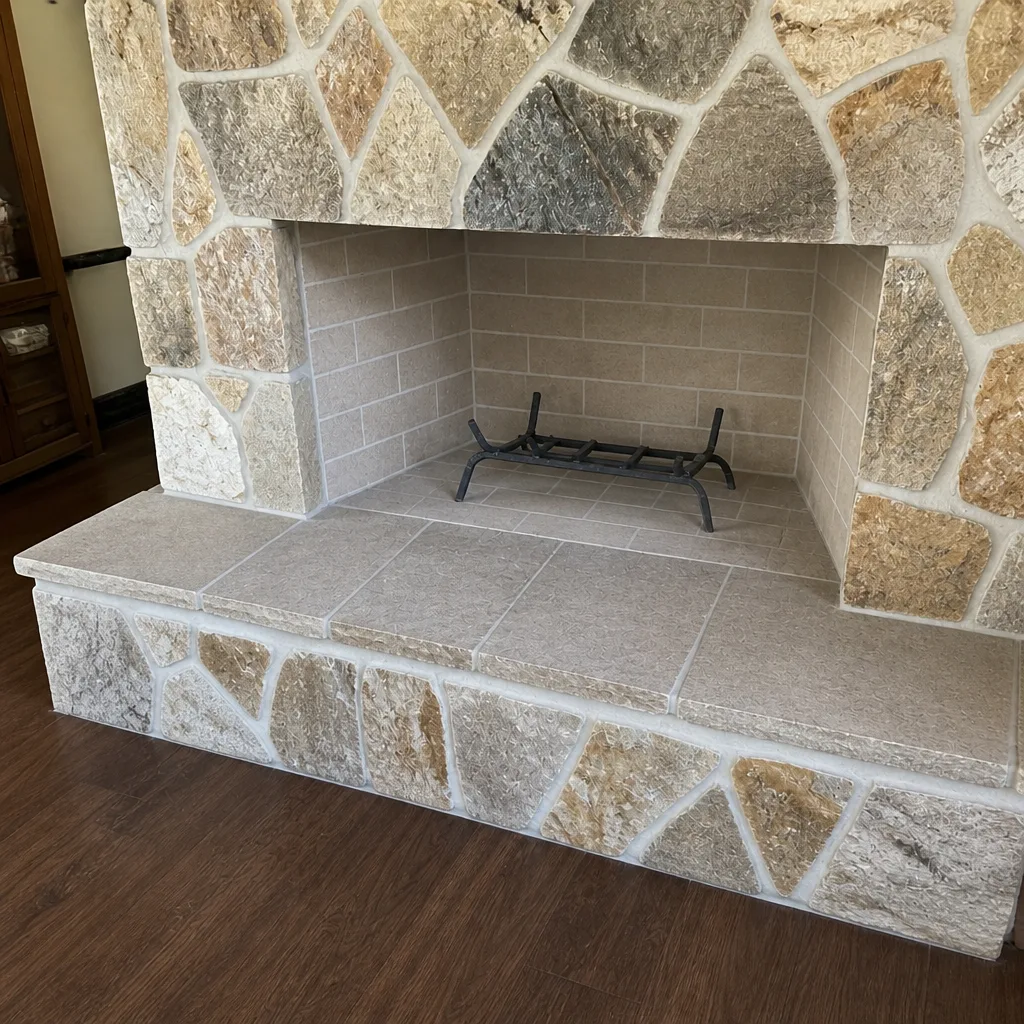
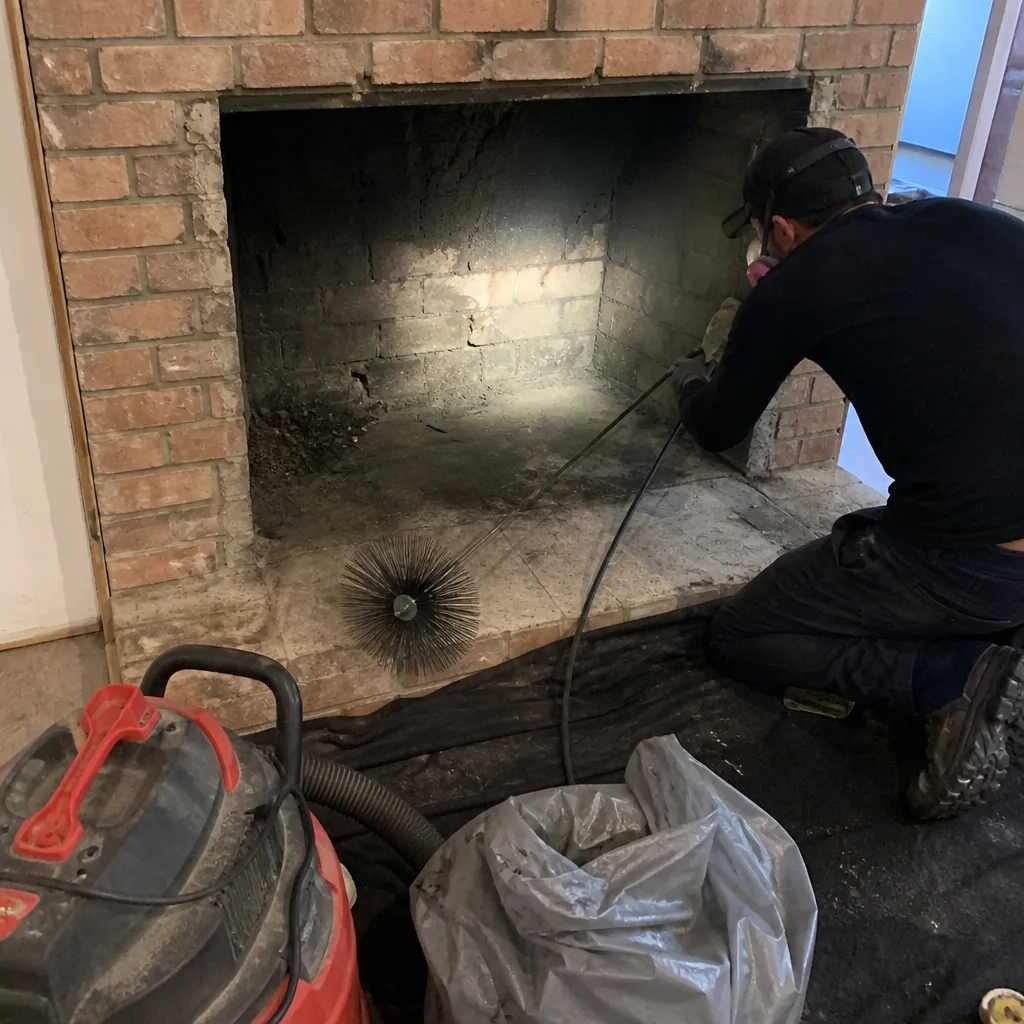
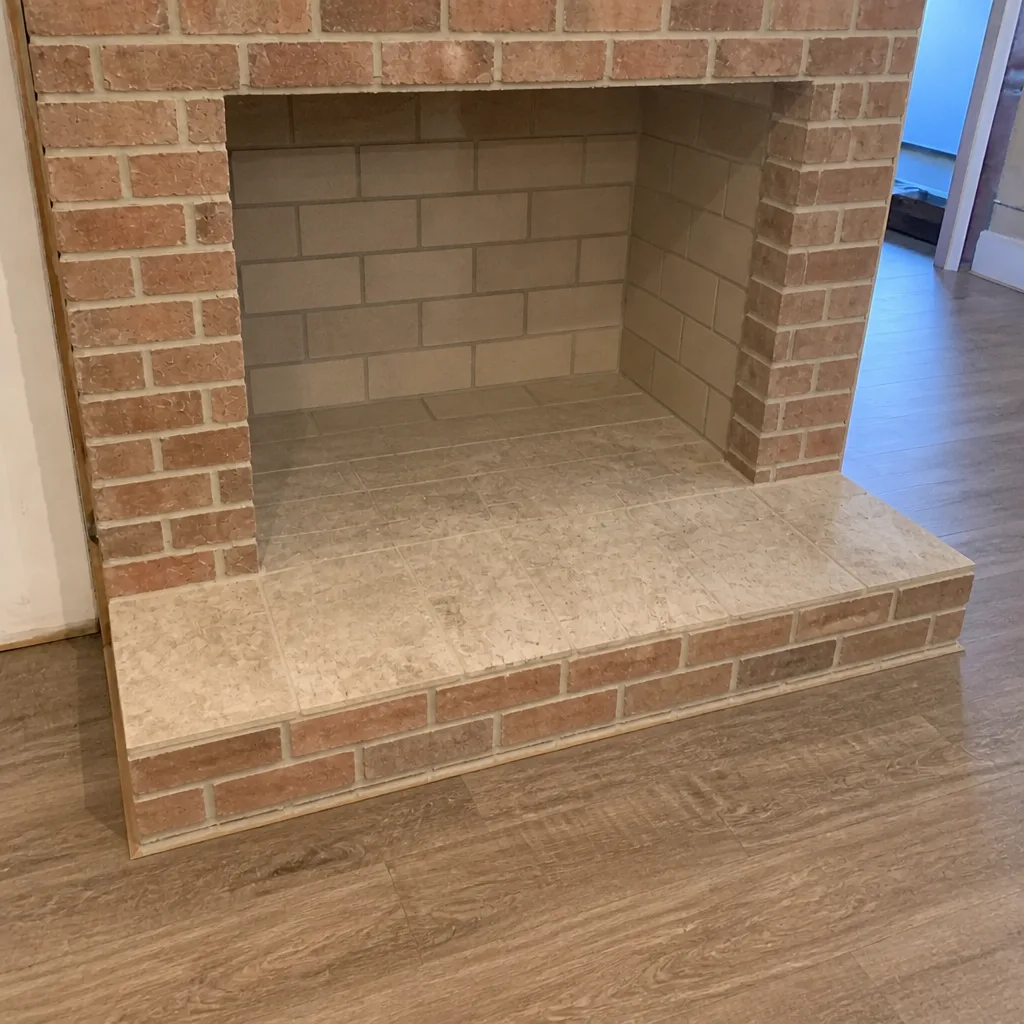
See the difference
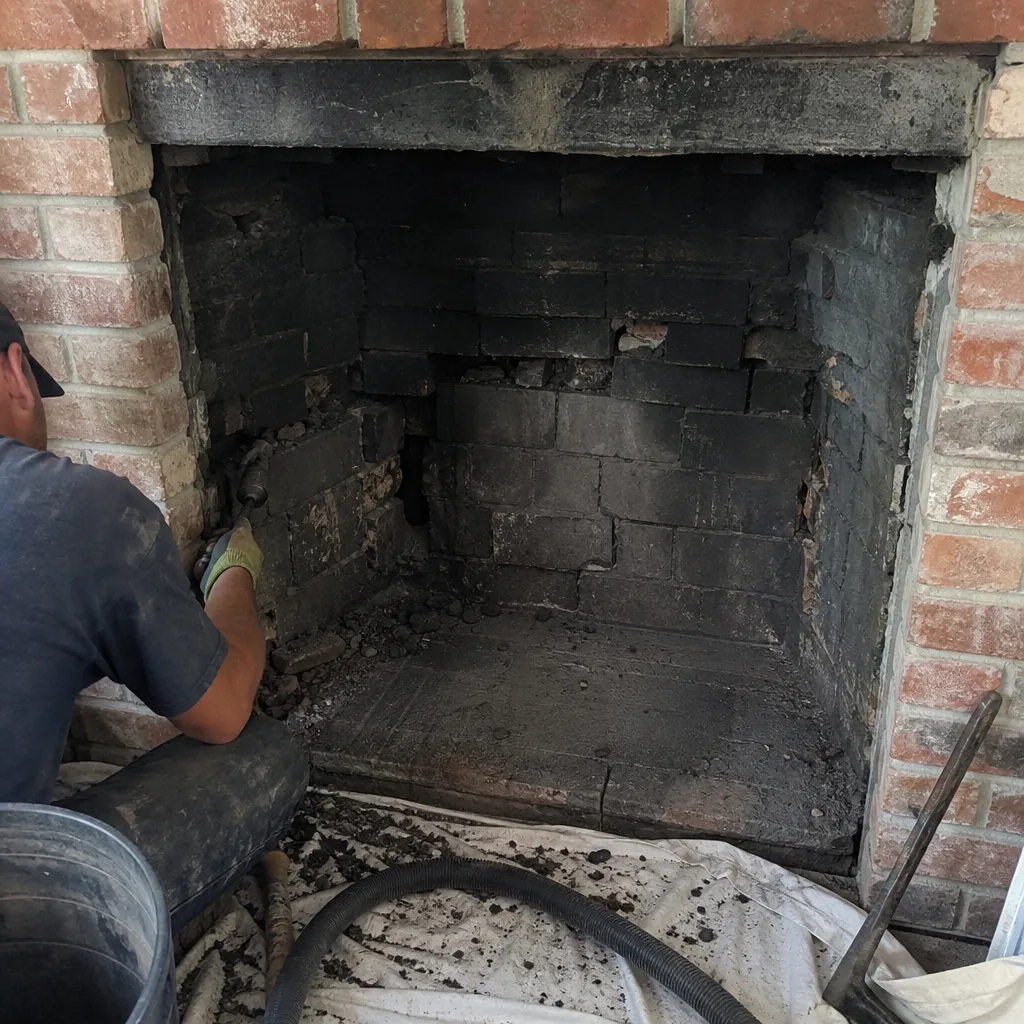 Before
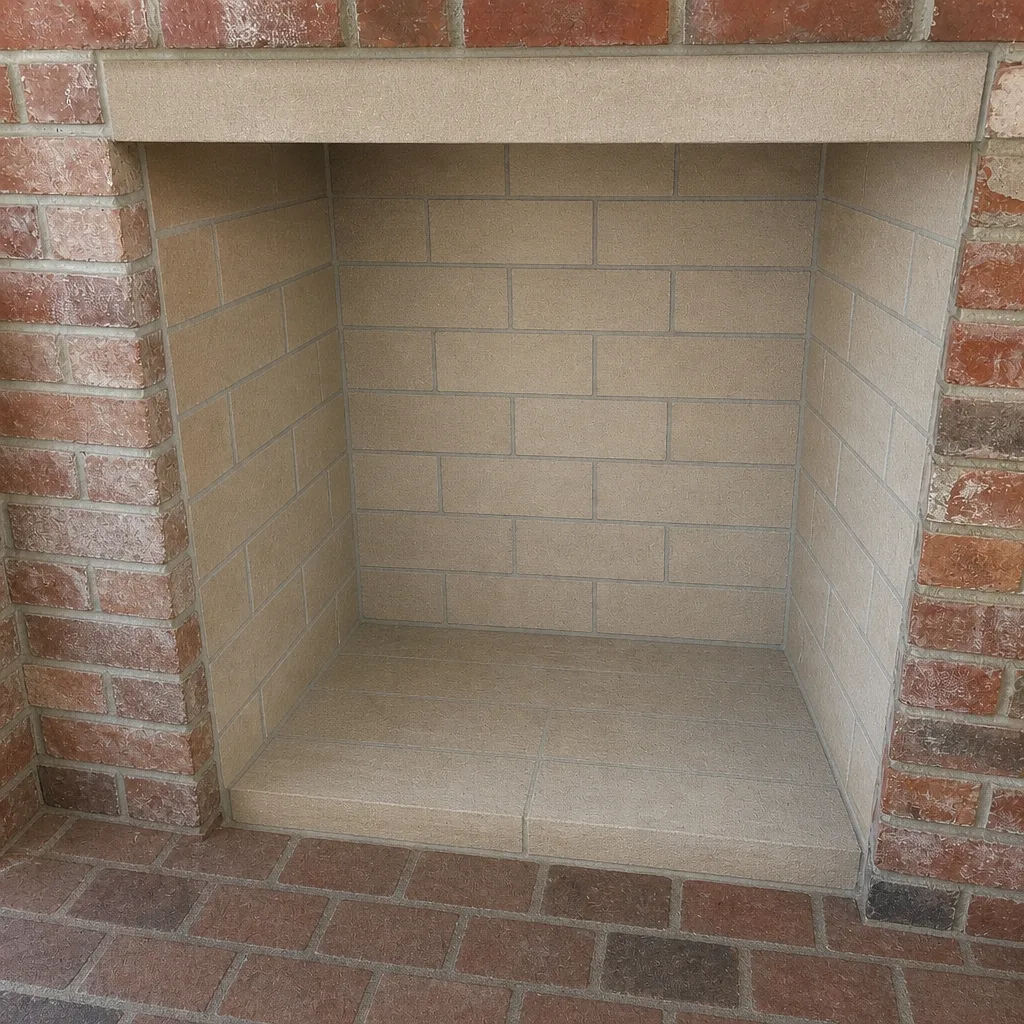 After
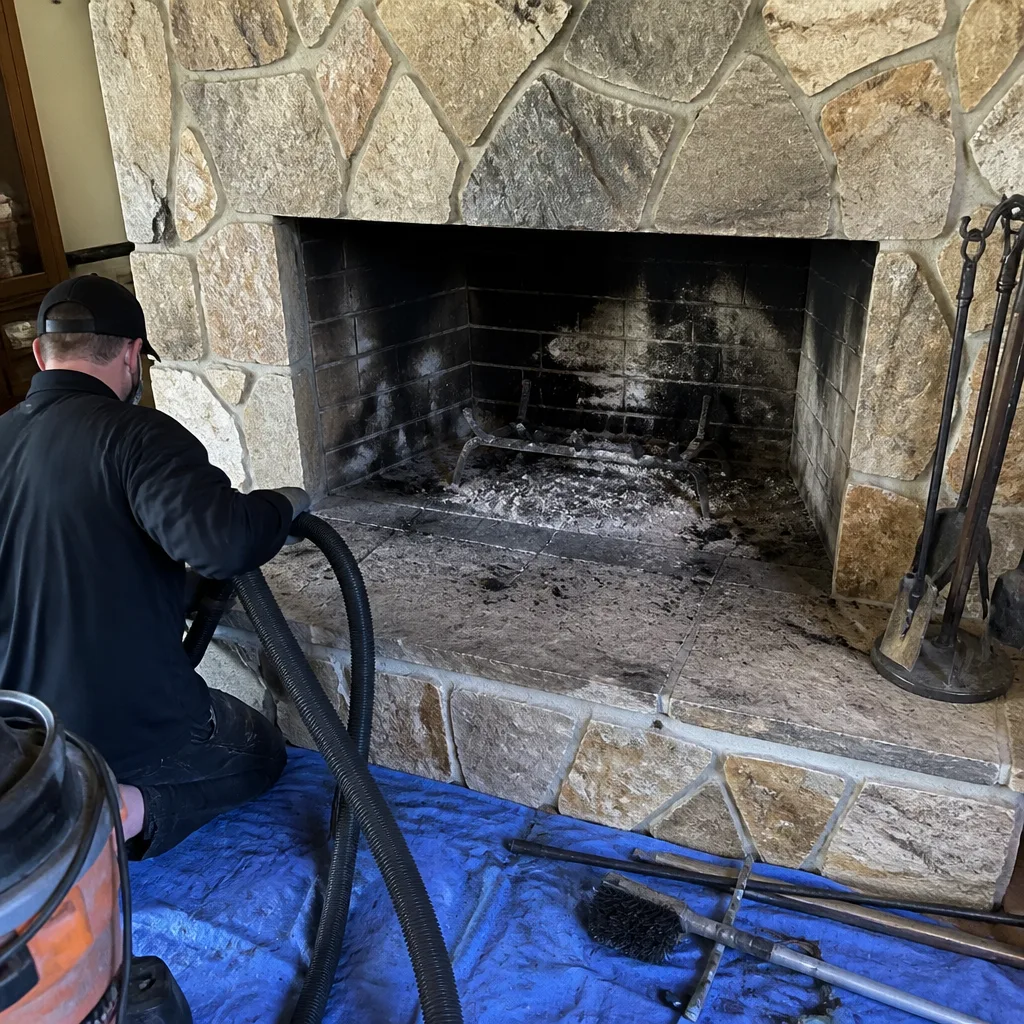 Before
 After
 Before
 After
When to Call a Professional
Some chimney work is a check, and some is a call. Before your first fire of the season, or after any cold front that had you burning more than usual, a professional sweep is worth booking. If you’ve never had the flue cleaned, if the cap is missing or torn, if you noticed staining on the chimney breast, or if you’re not sure when the last sweep happened, those are all reasons to have it assessed. If a crack or gap in the liner turns up, that’s a repair call, not a wait-and-see. And if it’s been a year or more since the dryer vent was cleaned, book that at the same time. Chimney Sweep Spring Hill offers free estimates in Spring Hill. Call (855) 360-8361.
Frequently Asked Questions
Once a year is the standard cadence for a home that burns regularly, and in Spring Hill the best time is right after the burn season ends, usually in February. Even a light burner should have an annual inspection, because the dormant season here is long and problems like a failing cap or moisture intrusion develop whether or not you lit a fire. Call (855) 360-8361 for an exact quote, estimates are free.
A standard sweep and inspection is typically priced per job, and the written estimate sets the final price. The estimate is free, so there’s no cost to finding out what your flue needs before you commit. Call (855) 360-8361 for an exact quote, estimates are free.
Not every damaged liner needs replacement. A deteriorated but structurally sound flue can often be restored with resurfacing, and we use HeatShield for exactly that because it’s designed for flue restoration rather than a generic patch. A full reline with a DuraFlex liner system is the right call when the liner is too far gone for resurfacing. The sweep and inspection tell you which applies, and nothing is recommended without a look inside the flue. Call (855) 360-8361 for an exact quote, estimates are free.
Because in Spring Hill the burn season is short and unpredictable, so a February cleaning examines what the fire actually produced, while an October cleaning examines a flue that sat unused for months. A February sweep also gives any repair roughly nine months to cure before the next cold front. Call (855) 360-8361 for an exact quote, estimates are free.
Skipped sweeps leave creosote in the flue through the humid months, when it can absorb moisture and harden, and an uncapped flue becomes a shelter for wildlife and a place for debris to collect. Over time, a missed check is also a missed chance to catch a cracked liner before it becomes a carbon monoxide concern. None of that is a reason to panic, it’s a reason to book a sweep. Call (855) 360-8361 for an exact quote, estimates are free.
Yes. Dryer vent lint is a leading household fire hazard, and it builds up year-round regardless of the burn season. We offer dryer vent cleaning as a core service, and the simplest approach is to book it alongside your annual chimney sweep. Call (855) 360-8361 for an exact quote, estimates are free.
The Bottom Line
Year-round chimney care in Spring Hill means following the local climate instead of a four-season script. Sweep after the burn season closes in February, when the flue shows what the fire actually did. Repair liner and masonry problems through spring and summer, so they cure before the next cold front. Weatherproof the crown, cap, and flashing before the rainy season and keep the flue capped through the humid months. Clean the dryer vent on the same annual rhythm. And when you call, know that we specify DuraFlex liners, use HeatShield for resurfacing, and source caps and venting through established names like Olympia Chimney and Copperfield. Our technicians have up to 13 years of experience, and chimney repair is our own work, so a sweep that finds something doesn’t send you looking for a second contractor.
Ready to get on the Spring Hill calendar? Call Chimney Sweep Spring Hill at (855) 360-8361 for a free estimate. We answer 24/7. Fast dispatch from 7am to 7pm, Sunday through Friday.
Written by the team at Chimney Sweep Spring Hill.