
Last updated November 14, 2026
 Sweep & inspection
 Caps & crowns
 Flue relining
 Masonry repair
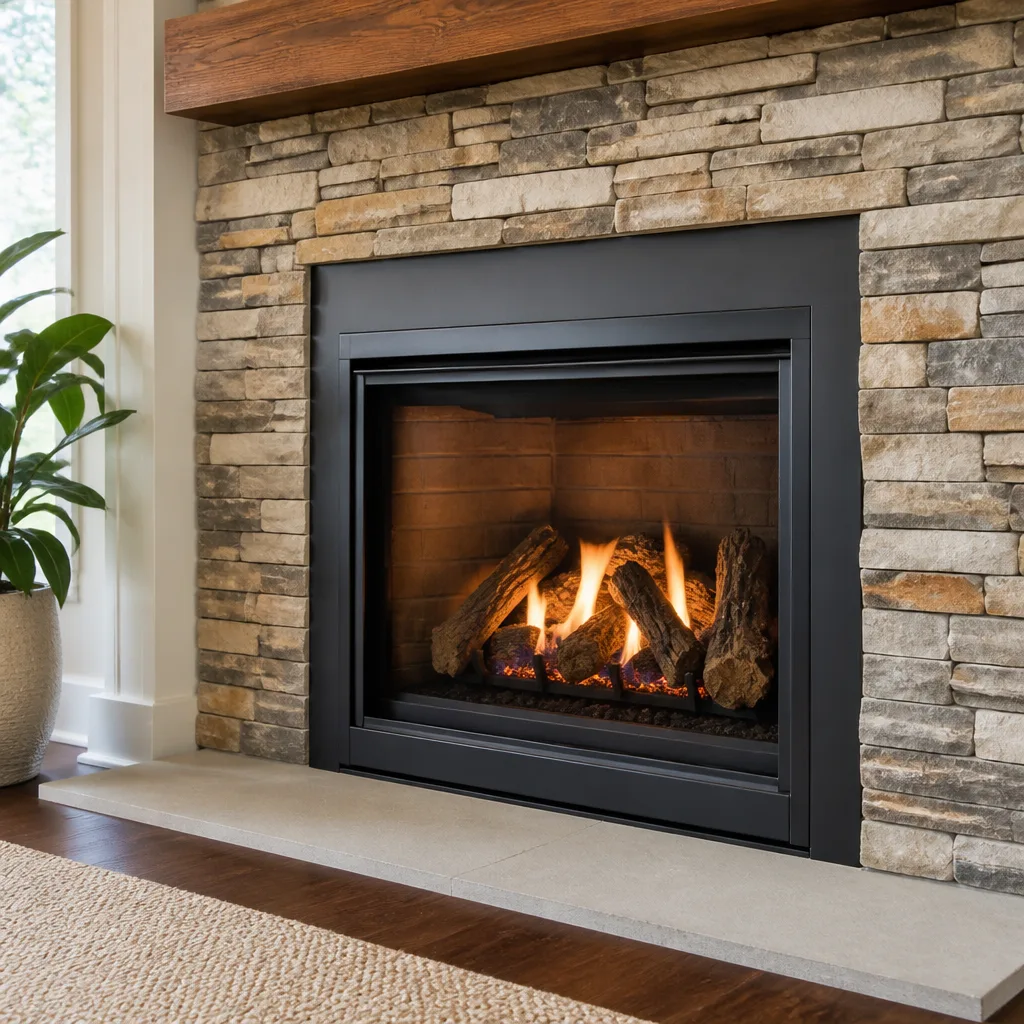 Gas fireplace service
Level 1 sweep and inspection to the NFPA 211 annual standard - flue, crown, cap, and flashing checked and photographed
Chimney sweep logs do not sweep chimneys. They loosen some creosote - which then falls where a brush and vacuum still have to collect it.
Chimney Cleaning Emergency Preparedness Guide for Spring Hill Homes
Most homeowners think of a chimney emergency as something that happens to other people, in older houses, in colder states. The truth is less tidy. A chimney fire can start in a flue that was swept two seasons ago, and carbon monoxide can build up in a Spring Hill home with a gas insert that looks like it’s running perfectly. The part people miss is that the first ten minutes matter more than anything else, and almost nobody has thought through what those ten minutes should look like. This guide walks through prevention, early detection, and the correct response for each type of chimney emergency, so you’re not improvising when the stakes are highest. Spring Hill’s December burn season gives you a clear deadline to get ready.
Quick Answer
A chimney emergency in Spring Hill is either a chimney fire or a carbon monoxide event, and the response differs. For a suspected chimney fire, stop the fire in the firebox, get everyone out, and call 911 from outside. For a carbon monoxide alarm, leave the house immediately, call 911, and don’t re-enter until the fire department clears it. In both cases, the chimney system needs a professional inspection before any further use.
Styles & brands we work with
- Sweep & inspection
- Caps & crowns
- Flue relining
- Masonry repair
- Gas fireplace service
Table of Contents
- The Two Types of Chimney Emergency (and Why the Response Differs)
- How to Identify an Active Chimney Fire
- The First Ten Minutes of a Chimney Fire
- Carbon Monoxide Sources in a Spring Hill Chimney System
- Where to Place CO Detectors Around a Fireplace
- Post-Chimney-Fire Protocol: Before You Burn Again
- Pre-Season Emergency Prep for Spring Hill Homes
- Understanding Creosote Stages and Your Risk Level
The Two Types of Chimney Emergency (and Why the Response Differs)
A chimney fire and a carbon monoxide event are not the same problem, and treating them the same way wastes time you don’t have. A chimney fire is a combustion event inside the flue. It produces heat, sound, and visible signs, and it can spread into the structure of the house. A carbon monoxide event is silent, invisible, and odorless, and it happens when combustion gases that should leave through the flue end up in the living space instead.
The response to each is different in the details that matter. A chimney fire gives you something to react to: sound, smell, visible smoke or flames. Carbon monoxide gives you nothing to react to, which is why detectors, not senses, are the first line of defense.
Here in Spring Hill, the split matters because of how people heat. Many homes run a wood-burning fireplace or a gas insert as a secondary heat source through December and January, then let it sit idle the rest of the year. That pattern creates two distinct risks: creosote buildup in wood flues that goes unaddressed off-season, and gas appliance venting that nobody thinks about until something fails.
- Chimney fire: visible and audible, responds to stopping the fuel and calling 911
- Carbon monoxide event: invisible and silent, responds to evacuation and calling 911
- Shared root cause: a flue that isn’t clear, isn’t intact, or isn’t properly venting
- Shared requirement after either: professional inspection before reuse
The good news is that both categories have a common preventive foundation. A clean, intact flue properly matched to the appliance it serves reduces the risk of either one. That’s why a routine chimney sweep isn’t just housekeeping; it’s the check that tells you which of these two risks you’re actually carrying.
How to Identify an Active Chimney Fire
A chimney fire doesn’t always announce itself with flames shooting from the top of the chimney. In many cases the signs are subtler, and the difference between a slow-burning fire and a fast one is what you hear, smell, and see around the firebox. The most dangerous version happens in a flue with heavy creosote, where the fire can build fast and burn extremely hot before anyone realizes what’s happening.
Here’s what to listen for, smell for, and look for.
Sound
- A loud roaring or rumbling, like a freight train or a low aircraft engine, coming from the chimney
- Popping or crackling that’s louder and more rhythmic than normal fire sounds
- A rushing air sound, as if the flue is pulling hard
Smell
- A hot, acrid, tarlike smell in the room
- Smoke entering the room through seams, dampers, or the appliance itself
- A burning-plastic or chemical odor, which can indicate nearby materials heating up
Sight
- Dense smoke or sparks from the chimney top
- Discoloration or heat shimmer on the chimney exterior
- Flames or glowing visible at the chimney cap
- Puffy, dark creosote flakes falling into the firebox
One of these signs alone is a reason to pay attention. Two or more together is a reason to act as if it’s a fire. In our experience, homeowners who’ve had a fire in the flue often describe hearing the roaring first and dismissing it as “just a hot fire” for several minutes before realizing something was wrong. Those minutes are the ones you can’t get back.
The First Ten Minutes of a Chimney Fire
What you do in the first ten minutes of a chimney fire has more effect on the outcome than anything that happens afterward. The instinct is to grab a hose or throw water on the fire. Don’t. Water on a hot flue can crack the liner, and the flue is not where the fire is reachable anyway. Here’s the sequence that actually works.
- Close the glass doors or the firebox door. Cutting the air supply starves the fire of oxygen. Don’t open the door to look.
- Close the damper only if you can do it safely. If the fire is roaring and the damper handle is hot, leave it and get out. If the damper is reachable, close it to further choke the fire.
- Get everyone out of the house. No possessions. No pets if it costs you time. Move to the yard or the street.
- Call 911 from outside. Tell the dispatcher you believe you have a chimney fire and give the address clearly.
- Don’t re-enter. Wait for the fire department, even if the roaring stops. A chimney fire can smolder in framing for a long time after the noise ends.
- Note the time and what you observed. This helps the fire department and the inspector afterward.
A word on the danger: a chimney fire in a flue with stage 2 or stage 3 creosote can reach temperatures hot enough to crack clay liner tiles and ignite framing. That’s why the response is evacuation and 911, not a bucket of water. Your role is to cut the fuel, get out, and let trained people handle the rest.
If you’re unsure whether what you’re hearing is a chimney fire, err on the side of acting. A false alarm costs you an evening. A real fire you dismissed costs far more. And after any suspected event, the flue needs a professional inspection before it sees another fire. That’s not a sales pitch; it’s basic safety.
Carbon Monoxide Sources in a Spring Hill Chimney System
Carbon monoxide is the emergency that doesn’t announce itself. It’s produced by any fuel-burning appliance, and the chimney or vent is supposed to carry it safely outside. When that path is interrupted, CO ends up in the living space. In Spring Hill homes, three sources account for most of the failures we see.
Blocked flues
A flue can be blocked by a bird or animal nest, a collapsed liner section, or heavy creosote that has narrowed the passage. When the flue is blocked, exhaust has nowhere to go but back into the room. This is one of the most common reasons a routine sweep turns into a real repair. A sweep doesn’t just remove soot; it confirms the flue is actually open end to end.
Liner breaches
A cracked or deteriorated liner allows combustion gases to escape into the chimney cavity or the structure of the house instead of up the flue. A breach can be invisible from the firebox. That’s why a professional inspection uses a camera: the inside of the flue tells a story the exterior can’t. HeatShield resurfacing and DuraFlex liner systems exist specifically to address this kind of deterioration, and either is a targeted fix, not a patch.
Backdraft conditions
Modern homes in Spring Hill are sealed tightly, which is good for energy bills and bad for chimney draft. When a house is tight enough, the chimney can’t pull air effectively, and combustion gases stall or reverse. Bathroom fans, kitchen exhaust, and dryer vents can all compete with the chimney for air. If a gas water heater, furnace, or boiler vent is close to a fireplace flue, a backdraft in one can affect the other. This is why venting is a system question, not a single-appliance question.
If your dryer vent cleaning hasn’t been done recently, add it to the list. A clogged dryer vent is a fire hazard of its own, and it’s one of the leading household fire causes most people don’t think about because the warning signs don’t show up until it’s dangerous. We handle it under the same roof as chimney work so the venting picture is complete.
Where to Place CO Detectors Around a Fireplace
A carbon monoxide detector on the ceiling in a hallway is better than nothing, but placement matters more than most homeowners realize. The goal is to catch CO where it’s most likely to accumulate and where it will wake people up.
- Outside each sleeping area, in the hallway or near the bedroom doors
- On every level of the home, including any finished space above the fireplace
- Within 10-15 feet of a fireplace or gas appliance if that appliance is in a living space where people spend time
- Not directly above the fireplace, where normal combustion byproducts and heat can cause nuisance alarms and shorten the sensor’s life
- Interconnected if your system allows it, so an alarm in one area triggers all of them
Here’s the detail that catches people: a gas insert in a living room, a gas water heater in a utility closet, and a gas furnace in an attic or garage are three separate CO sources in one home. Each deserves consideration, and a detector near the fireplace doesn’t protect anyone from the water heater. Some Spring Hill homes also have an upstairs bedroom close to the chimney chase, which is worth thinking about if the chase is on an exterior wall.
Replace detectors per the manufacturer’s date, not when the test button stops working. Test buttons check the alarm, not the sensor. If your home has no CO detectors at all, that’s the first thing to fix before the burn season starts. Families in Spring Hill with an older home and a fireplace should treat this as a hard requirement, not an optional add-on.
Post-Chimney-Fire Protocol: Before You Burn Again
After a chimney fire, the flue is not automatically safe because the house stopped smelling like smoke. A fire that appeared minor can leave a cracked liner, a warped damper, or heat-damaged framing that isn’t visible from the firebox. The rule is simple: no fire in that flue until a professional has inspected it.
Here’s what a proper post-fire inspection covers.
- Visual inspection of the firebox and damper for warping, cracking, or heat damage
- Camera inspection of the flue to look for cracked tiles or liner breach along its full length
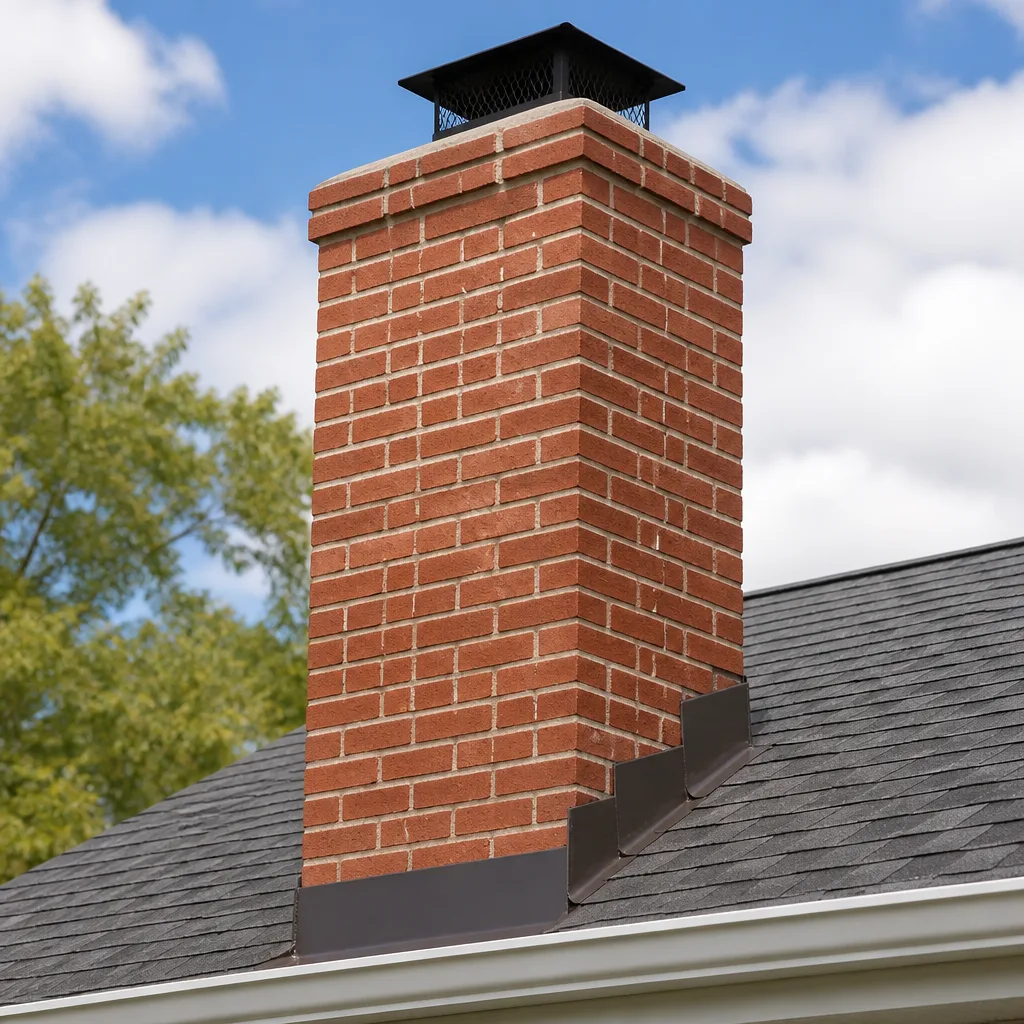
- Exterior inspection of the chimney for damage to the crown, cap, or masonry
- Check of adjacent framing for charring or heat damage where the chimney passes through the structure
- Review of the appliance and venting to confirm the appliance matched the flue correctly in the first place
- Written report and photos, so you can see what the inspector sees
- Clear recommendation on what needs repair and what can safely wait
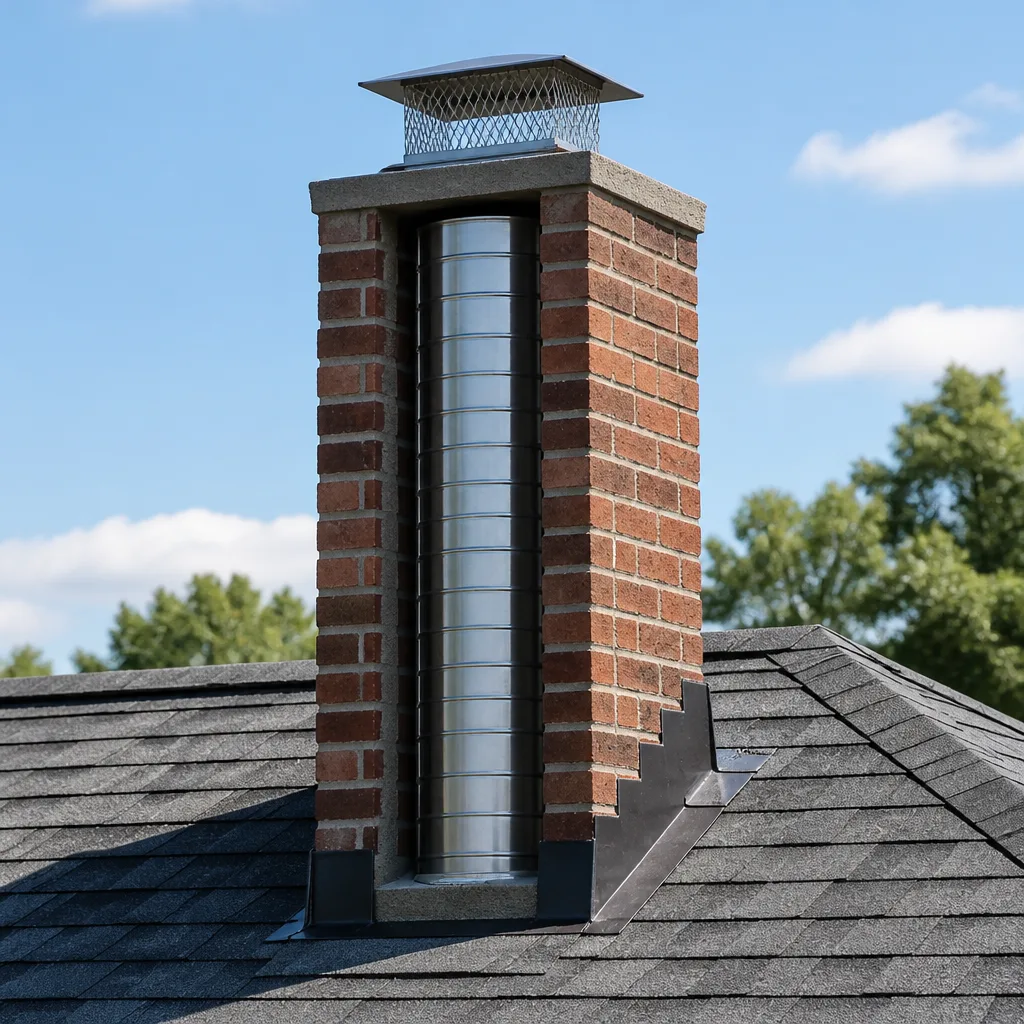
If the inspection turns up a cracked liner, the repair is usually a reline. We specify DuraFlex flexible liner systems for that work because they’re engineered for the application rather than generic flex pipe. If the issue is deteriorated but intact flue lining, HeatShield resurfacing restores it as a targeted repair. Components like caps and venting come from suppliers such as Olympia Chimney and Copperfield, so the fix is sized to the flue, not improvised.
The thing to remember is that after a fire, you’re not shopping for a sweep. You’re shopping for a diagnosis you can trust. We include a camera inspection and photo report so nothing is recommended without evidence you can see for yourself. If the flue can safely wait, we’ll tell you that too.
Pre-Season Emergency Prep for Spring Hill Homes
Spring Hill’s burn season tends to concentrate around December and January, which means the prep window is the weeks before that. A short checklist before the first fire of the season reduces both the chimney fire risk and the carbon monoxide risk at once.
- Book the sweep before the rush. A preseason sweep clears creosote and confirms the flue is open end to end. Do this before the first burn, not after.
- Test every CO detector and check its date. If any are past their manufacturer date, replace them. Add one near any gas appliance you haven’t covered.
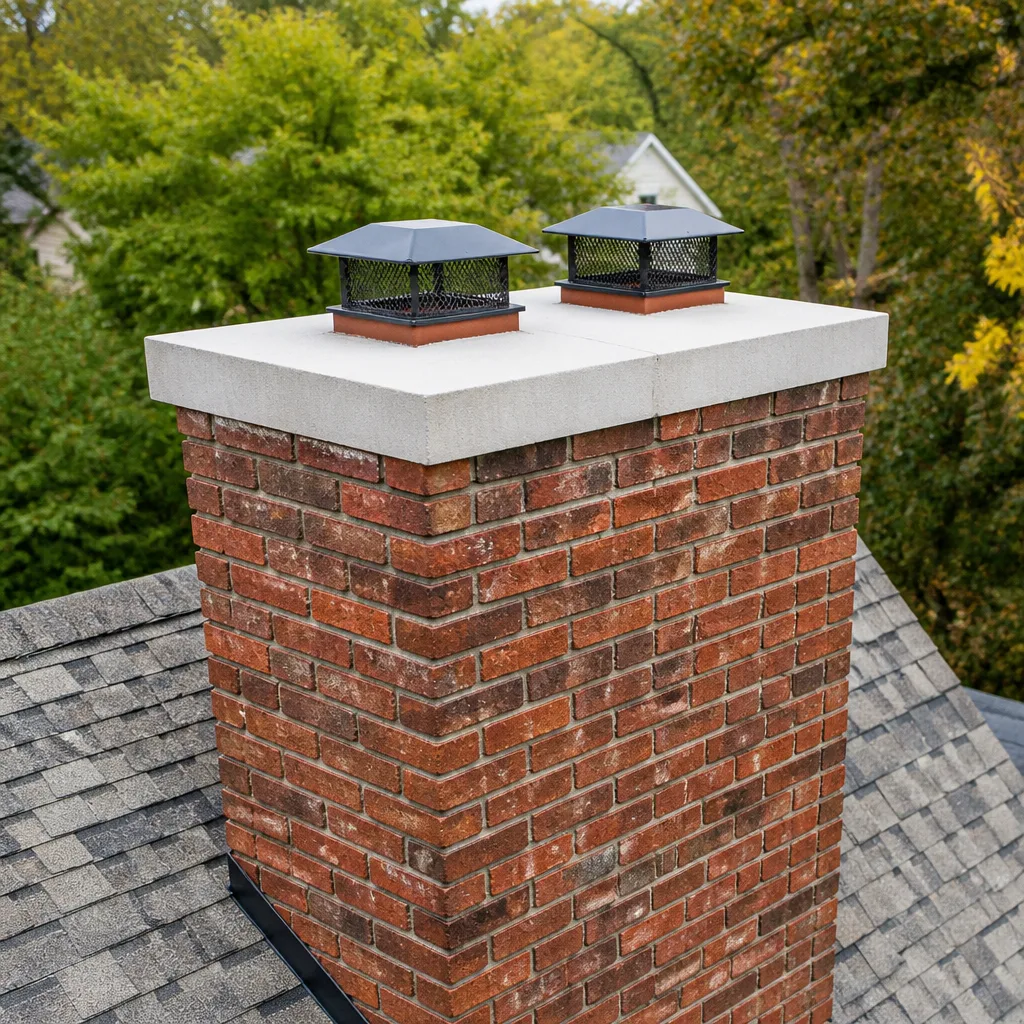
- Check the chimney cap and crown. A missing or damaged cap lets animals and water in. Caps and venting components from Gelco and Famco are designed for this job specifically.
- Confirm the damper operates fully. A damper that won’t open fully restricts draft.
- Look at the firebox and the area around the chimney chase. Any staining, discoloration, or musty smell is worth flagging to the inspector.
- Get the dryer vent cleaned too. It’s a fire hazard and it competes with the chimney for household air. One visit covers both.
- Keep a plan on the fridge. Where the CO detectors are, where the fire extinguisher is, and what the first ten minutes of each scenario should look like.
The pressure here is seasonal, not hourly. You don’t need to book today. You do need to book before the first cold snap, because once December hits, everyone in Spring Hill is trying to get on the schedule at once. A sweep that includes a camera inspection and a photo report costs far less than a liner replacement, and it tells you whether you’re looking at a small fix or a real one. Call (855) 360-8361. We answer 24/7. Fast dispatch from 7am to 7pm, Sunday through Friday.
Understanding Creosote Stages and Your Risk Level
Creosote is the residue left behind when wood smoke cools inside the flue. It builds up in stages, and each stage carries a different level of fire risk. Knowing which stage your flue is in tells you how urgent a sweep really is.
- Stage 1: light, flaky soot. Removable with a standard brush. Low fire risk if addressed on a normal schedule.
- Stage 2: crunchy, tarlike deposits that stick to the flue wall. Harder to remove, and the risk rises because the deposit is dense and burns hot.
- Stage 3: glazed, hardened, fuel-rich deposits. This is the stage that can ignite into a very hot chimney fire, and it usually requires more than a brush to address.
Several things drive how fast a flue reaches stage 2 or 3: burning unseasoned wood, restricted draft, a flue that’s oversized for the appliance, and burning habits that keep the fire smoldering rather than burning hot. In Spring Hill, the practical issue is the long idle period. A flue that builds up creosote in December and sits from January to November doesn’t get cleaner on its own, and the next fire of the season is starting from where the last one left off.
The reason this matters for emergency preparedness is that stage 2 and stage 3 creosote is what turns a chimney fire from a manageable event into a dangerous one. A chimney fire in a flue with heavy creosote can burn hot enough to crack a clay liner and ignite adjacent framing. A sweep doesn’t have to be an emergency response; it’s the thing that keeps the emergency from happening. If you don’t know what stage your flue is in, that’s the answer: get it inspected. For a full picture of what a proper inspection and cleaning involves, see Chimney Sweep Spring Hill.
Common Mistakes to Avoid
- Treating a roaring sound as “just a hot fire.” A loud roaring from the flue is one of the strongest signs of an active fire. Dismissing it costs minutes you can’t recover.
- Throwing water on a hot flue. Water on a hot liner can crack it, and it doesn’t reach the fire anyway. Cut the air, get everyone out, and call 911.
- Skipping the post-fire inspection. A fire that seemed minor can leave a cracked liner or heat damage that isn’t visible. No fire in that flue until it’s inspected.
- Placing a CO detector directly above the fireplace. Heat and normal combustion byproducts can cause nuisance alarms and shorten the sensor’s life. Keep it near the living space, not directly over the firebox.
- Relying on a single detector on one level. A CO source in a utility closet or attic won’t reach a detector in a bedroom hallway on the other side of the house.
- Waiting until December to book a sweep. Spring Hill’s burn season concentrates demand. Booking before the first cold snap gets you a real inspection instead of a rushed one.
- Ignoring the dryer vent. A clogged dryer vent is a leading household fire cause. If the chimney is getting attention, the dryer vent should get it too.
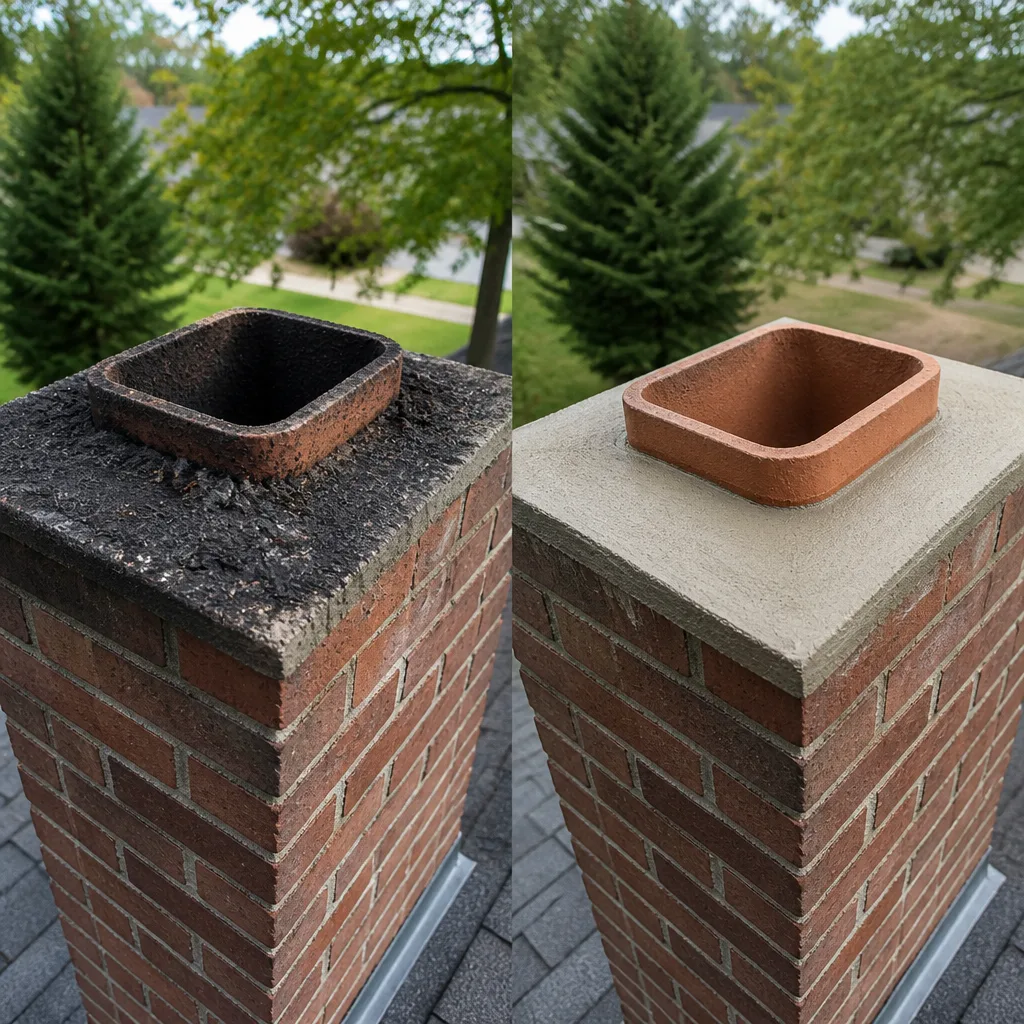
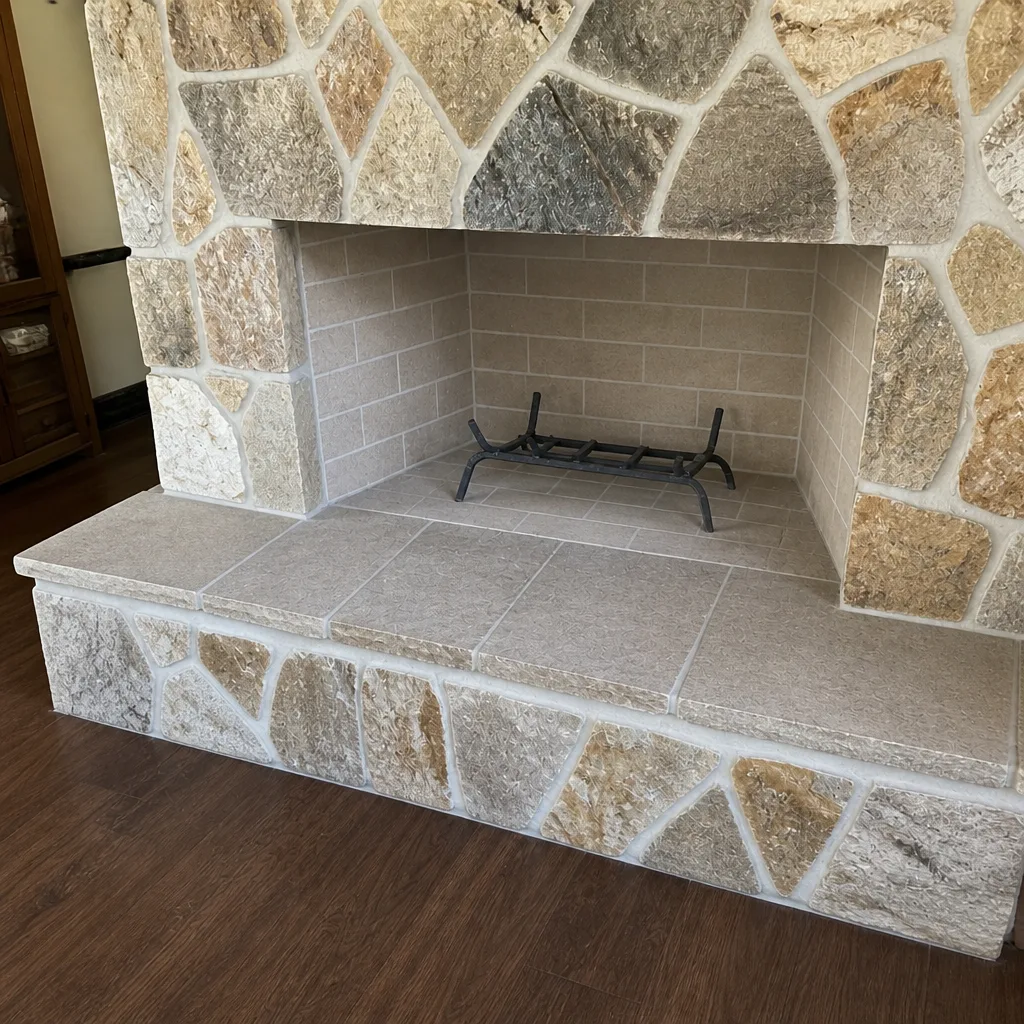
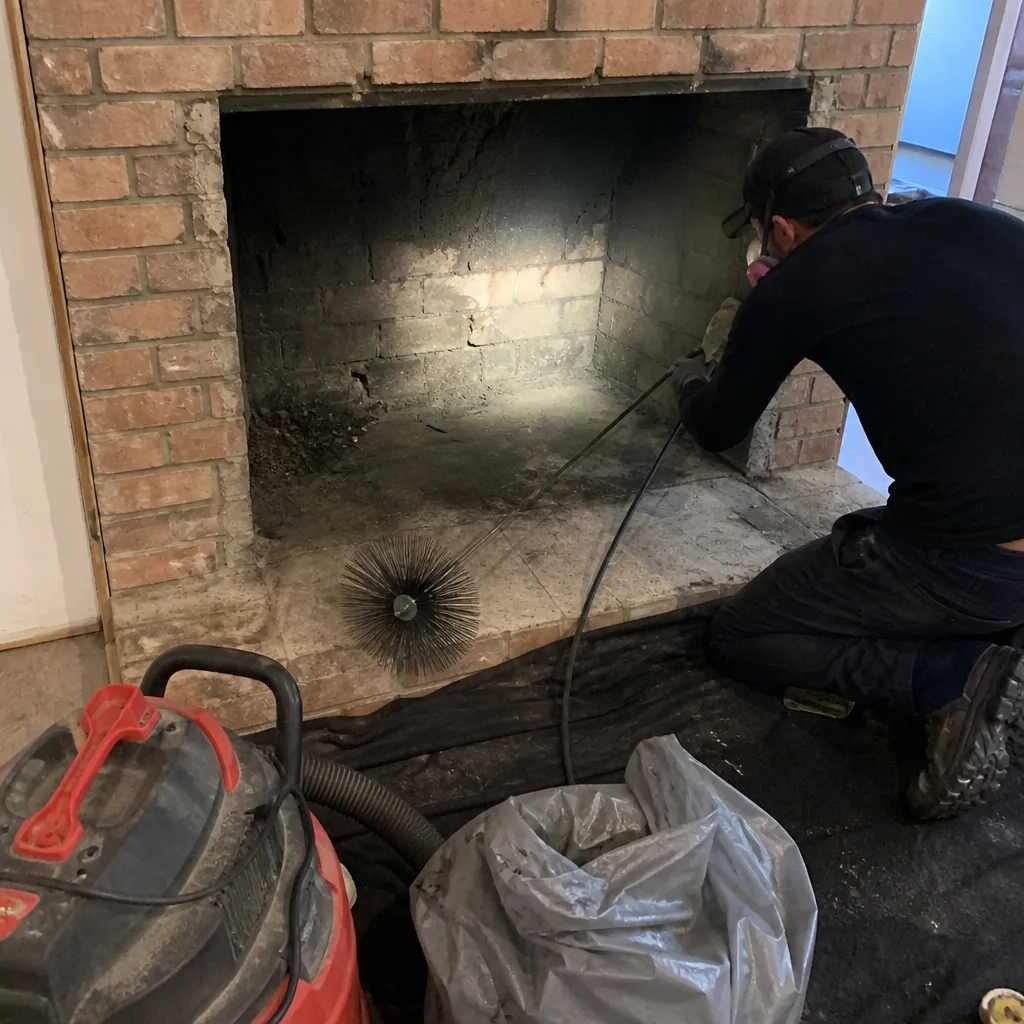
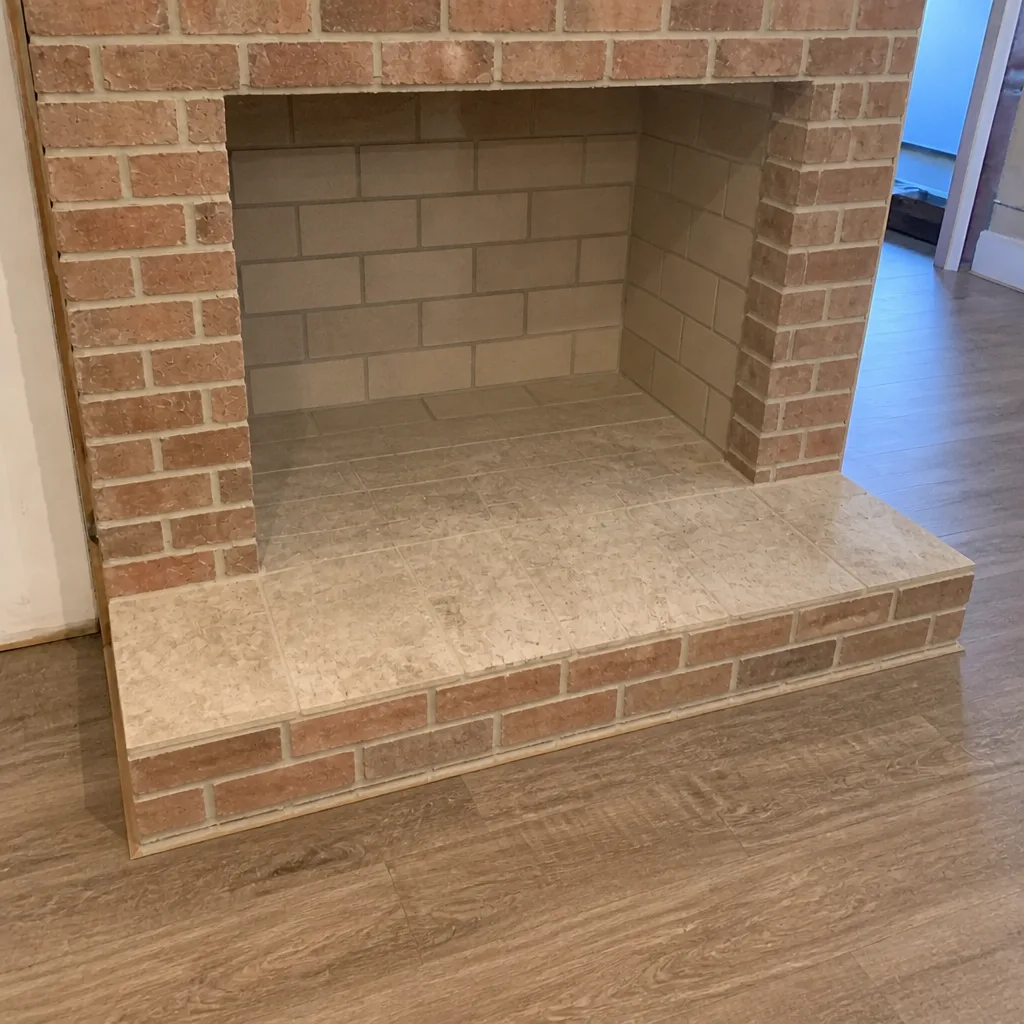
See the difference
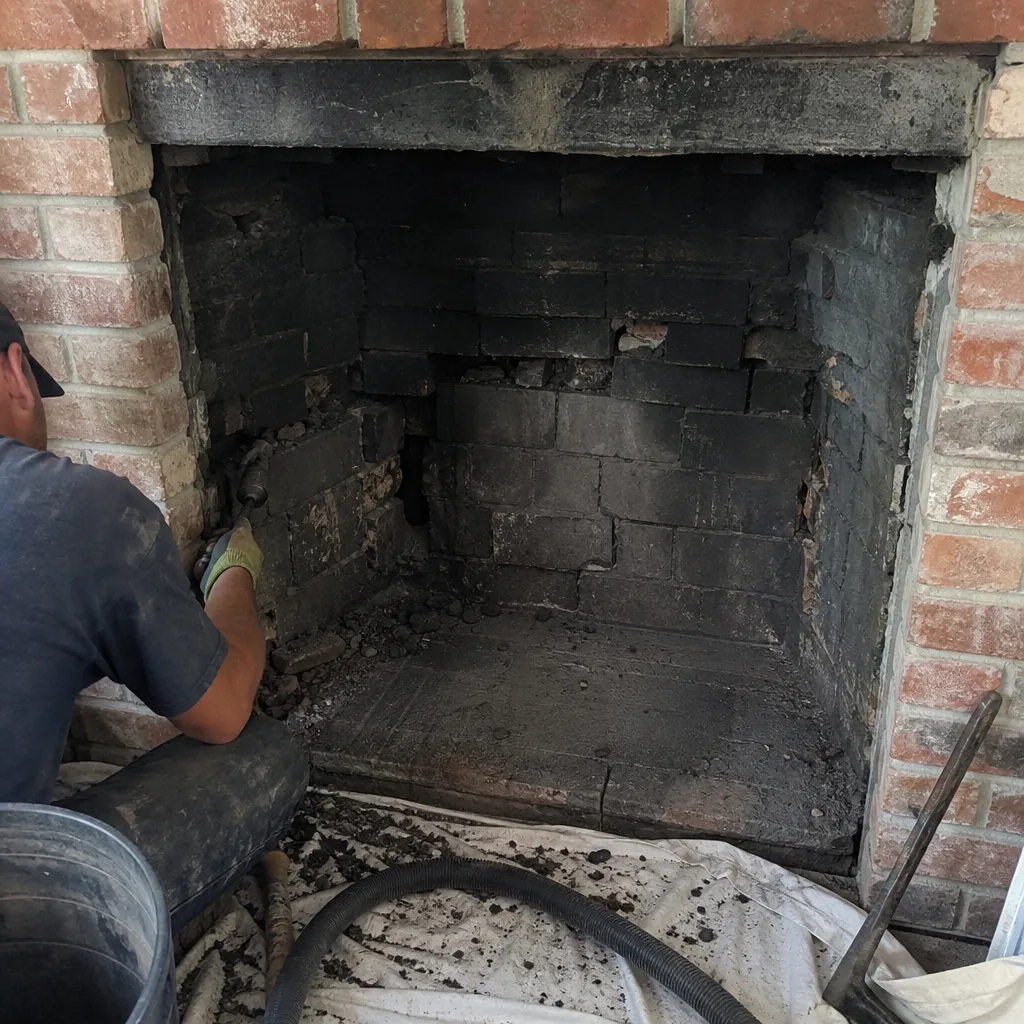 Before
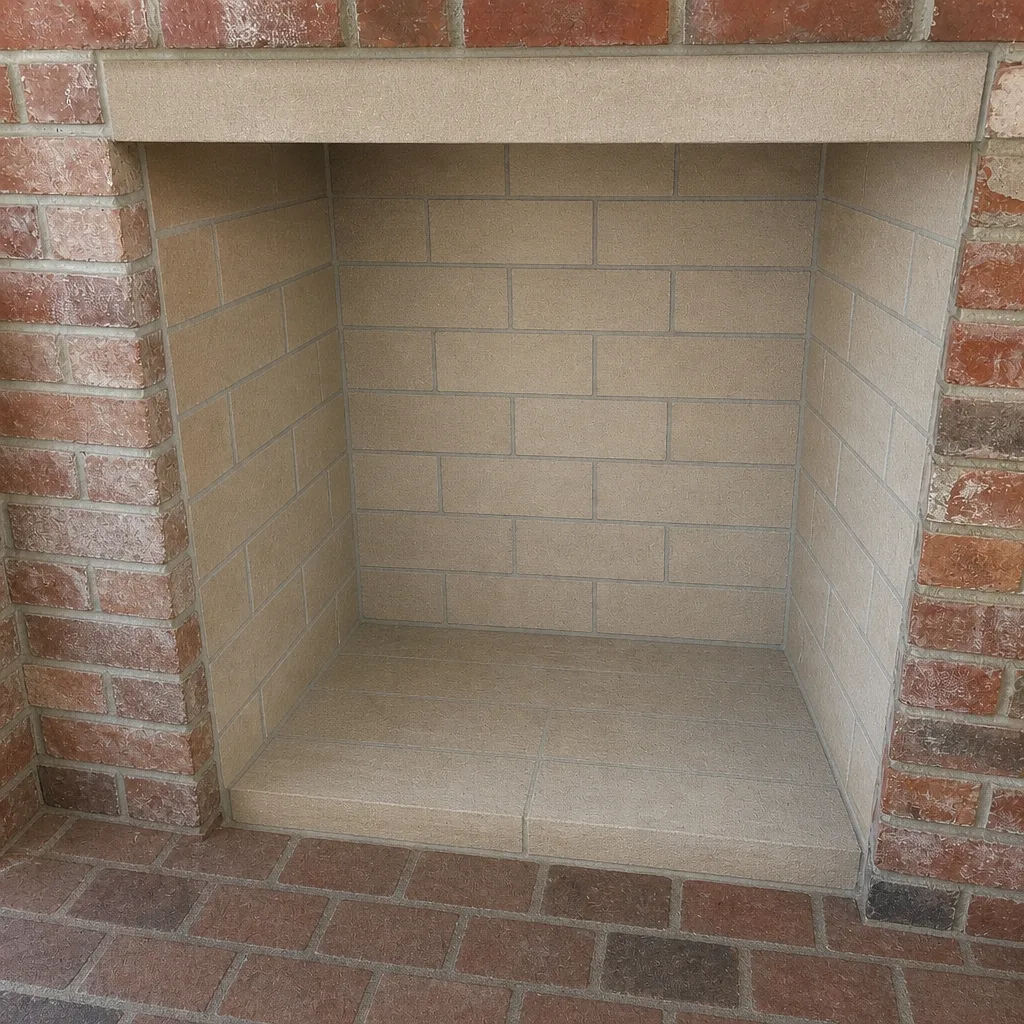 After
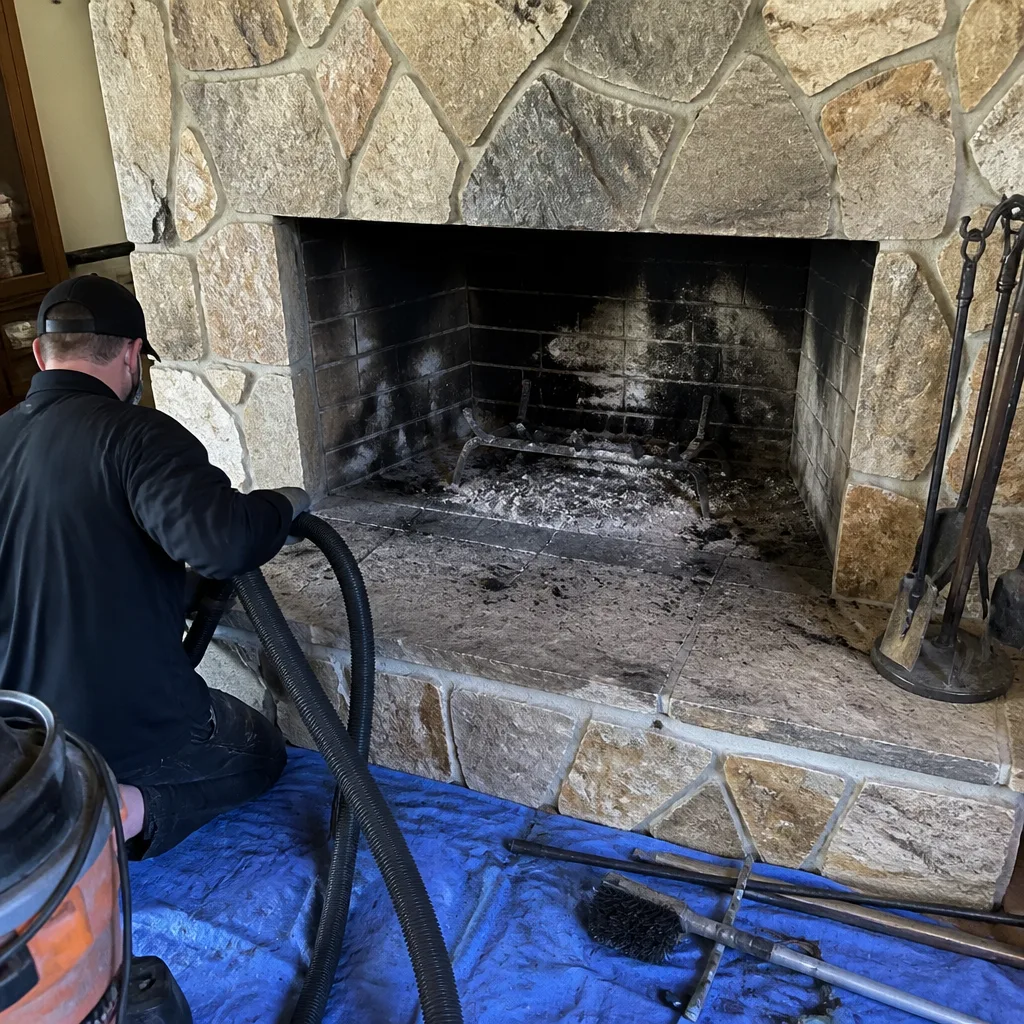 Before
 After
 Before
 After
When to Call a Professional
Call a professional for a post-fire inspection, for any suspected CO event, for a flue that hasn’t been swept in a year or more, and for any visible or suspected liner damage. Call before the first burn of the season if you haven’t had the system checked. Call if your fire smokes into the room, drafts poorly, or smells tarlike, all of which point to a problem the outside of the chimney won’t reveal. Chimney Sweep Spring Hill offers free estimates in Spring Hill – call (855) 360-8361. We answer 24/7. Fast dispatch from 7am to 7pm, Sunday through Friday. We work with professional-grade brands like DuraFlex, HeatShield, Olympia Chimney, and Copperfield, and we handle cleanup, repair, and dryer vent cleaning under one company so a problem found during a sweep doesn’t need a second contractor.
Our technicians have up to 13 years of experience, and the diagnostic and the fix come from the same crew. If we can’t safely justify a repair, we’ll tell you that, and we’ll give you a timeframe for when it needs to be addressed. Nothing is recommended without evidence you can see for yourself.
Frequently Asked Questions
Listen for a roaring, rumbling, or rushing sound from the flue, check for a hot tarlike smell in the room, and look for dense smoke or sparks at the chimney top. Two or more of these together means act as if it’s a fire: close the glass doors, get everyone out, and call 911 from outside. Call (855) 360-8361 for an exact quote on a post-fire inspection – estimates are free.
A chimney fire is a combustion event you can usually hear and smell, while a carbon monoxide event is invisible, odorless, and silent, caught by a detector rather than your senses. The first-ten-minutes response differs: cut the fuel and evacuate for a fire; evacuate and call 911 for CO. Both require a professional inspection before the system is used again. Call (855) 360-8361 for an exact quote on that inspection – estimates are free.
Place detectors outside each sleeping area, on every level of the home, and within 10-15 feet of the fireplace or gas appliance, but not directly above the firebox. Interconnect them if your system allows, and test each one monthly. A single detector in a hallway doesn’t protect against a gas water heater in a utility closet. Call (855) 360-8361 for an exact quote on a full venting inspection – estimates are free.
No. A fire that seemed minor can leave a cracked liner, a warped damper, or heat damage to framing, none of which is visible from the firebox. The system needs a professional inspection, including a camera inspection of the full flue, before any further use. Call (855) 360-8361 for an exact quote on a post-fire inspection – estimates are free.
Get it swept annually, and before the first burn of the season if it’s been more than a year. In Spring Hill, the burn season concentrates around December and January, and the long idle period between seasons means whatever creosote is present in the flue in January is still there in November. Call (855) 360-8361 for an exact quote on a sweep – estimates are free.
Creosote keeps building, and once it reaches stage 2 or stage 3 it becomes a fuel source capable of igniting into a very hot fire that can crack a liner and ignite framing. Skipping a year also means a blocked or breached flue goes undetected, which raises carbon monoxide risk. It’s a real hazard, not a scare tactic. Call (855) 360-8361 for an exact quote on a sweep and camera inspection – estimates are free.
The Bottom Line
A chimney emergency in Spring Hill is either a fire in the flue or a carbon monoxide event, and the first ten minutes of each look different. For a fire, stop the fuel, get everyone out, and call 911 from outside. For CO, evacuate on the alarm and call 911. Either way, the system gets a professional inspection before it’s used again, including a camera view of the full flue. Prevention is the part you control: a preseason sweep, working CO detectors in the right places, an intact liner and cap, and a dryer vent that isn’t clogged. Spring Hill’s December burn season gives you a real deadline. Book the sweep before the first cold snap, not after. Call (855) 360-8361 for a free estimate. We answer 24/7, with fast dispatch from 7am to 7pm, Sunday through Friday.
Written by the team at Chimney Sweep Spring Hill.