
Last updated November 14, 2026
 Sweep & inspection
 Caps & crowns
 Flue relining
 Masonry repair
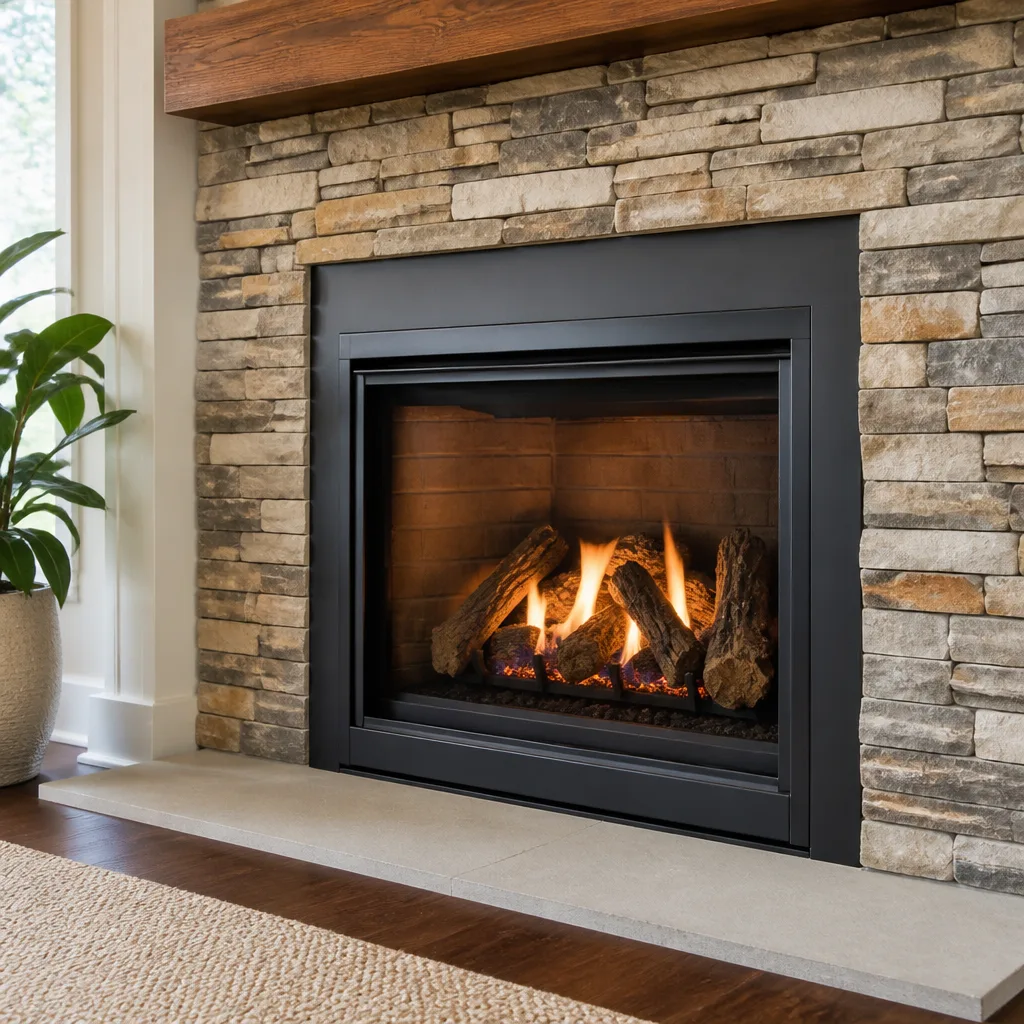 Gas fireplace service
Level 1 sweep and inspection to the NFPA 211 annual standard - flue, crown, cap, and flashing checked and photographed
Chimney sweep logs do not sweep chimneys. They loosen some creosote - which then falls where a brush and vacuum still have to collect it.
Chimney Cleaning Warning Signs: A Spring Hill Homeowner’s Reference Guide
Most guides to chimney problems tell you to look inside the firebox. That advice misses the first signs of trouble in a place like Spring Hill. A white mineral stain running down the outside of a chimney chase isn’t a cosmetic problem. It’s efflorescence, and it means water is moving through your masonry from the inside out. By the time it’s visible from the yard, the flue liner may already be compromised. In our experience, the exterior of a chimney tells the story before the living room does, and this guide teaches you to read the whole system, from cap to firebox, so you know what to monitor and what to stop using.
Quick Answer
Chimney warning signs fall into three groups: what you see on the exterior (efflorescence, crown cracking, rust staining, cap corrosion), what you notice during a burn (smoke rollout, slow draw, unusual odors), and what turns up inside the flue or firebox (creosote buildup, animal debris, liner damage). Exterior signs usually appear first in Florida’s humid climate. Any sign that involves a strong persistent odor, visible smoke backing into the room, or debris that falls freely means stop using the fireplace until a professional looks at it.
Styles & brands we work with
- Sweep & inspection
- Caps & crowns
- Flue relining
- Masonry repair
- Gas fireplace service
Table of Contents
- Exterior warning signs: what the outside of your chimney tells you
- Efflorescence, crown cracks, and rust stains explained
- What smoke behavior during a burn reveals
- Normal creosote smell versus a liner breach
- Wildlife in the chimney: sounds, debris, and what it means
- Monitor-and-schedule versus stop-using-it-now
- What a proper chimney sweep inspection checks
- Common mistakes to avoid
Exterior warning signs: what the outside of your chimney tells you
Start in the yard. Walk out to where you can see the full chimney chase, and look slowly from the cap at the top down to where the masonry meets the roofline. This is the quickest five-minute check a Spring Hill homeowner can do, and it catches problems that stay invisible from the couch.
Florida’s climate is hard on masonry in a specific way. The state’s humidity and heavy summer rain mean water is constantly working at the outside of a chimney, and warm, wet conditions are exactly what masonry doesn’t want. Water that soaks into brick and mortar doesn’t dry from the outside in. It moves through the wall and shows up months later as staining, spalling (flaking brick faces), or efflorescence. That’s why the exterior matters so much here: it’s the first place the system announces that moisture is getting in where it shouldn’t.
Here’s what to look for on the outside of a Spring Hill chimney:
- White or gray powder on the brick: a chalky mineral bloom, most often low on the chase or around the crown. This is efflorescence, and it means water is migrating through the masonry and leaving salts behind as it dries.
- Dark or green staining: a long vertical band, often on the shaded side, that suggests water is running down a wall that should be shedding it. Green tinting can indicate algae or moss growing on brick that stays damp.
- Rust stains: orange-brown streaks near the top of the chase or under the cap usually point to a corroded metal component, often the cap or the top of a liner.
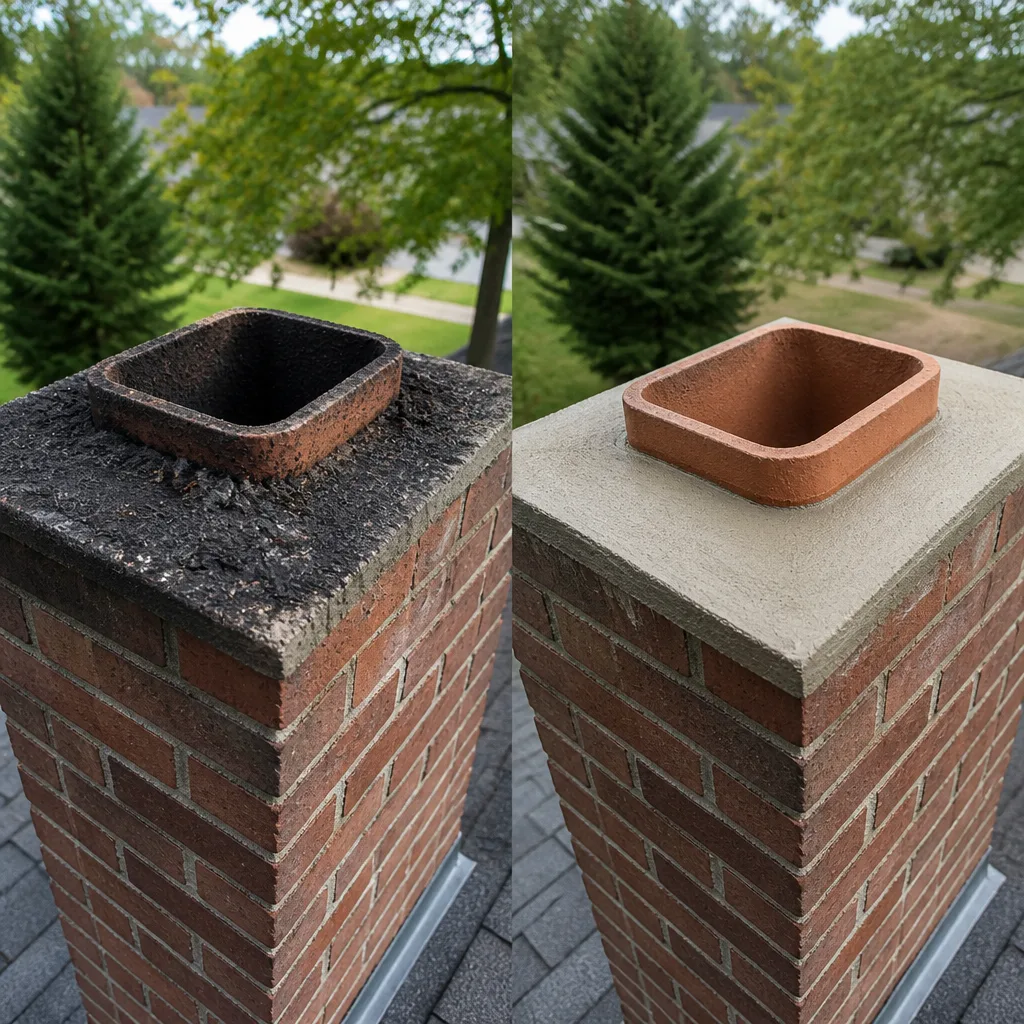
- Cracked or crumbling crown: the concrete cap that sheds water off the top of the chimney. Hairline cracks widen with each wet-dry cycle, and once the crown fails, water goes straight down into the flue.
- Spalling brick: brick faces that are peeling or popping off. This means the brick is saturated and breaking down from the inside.
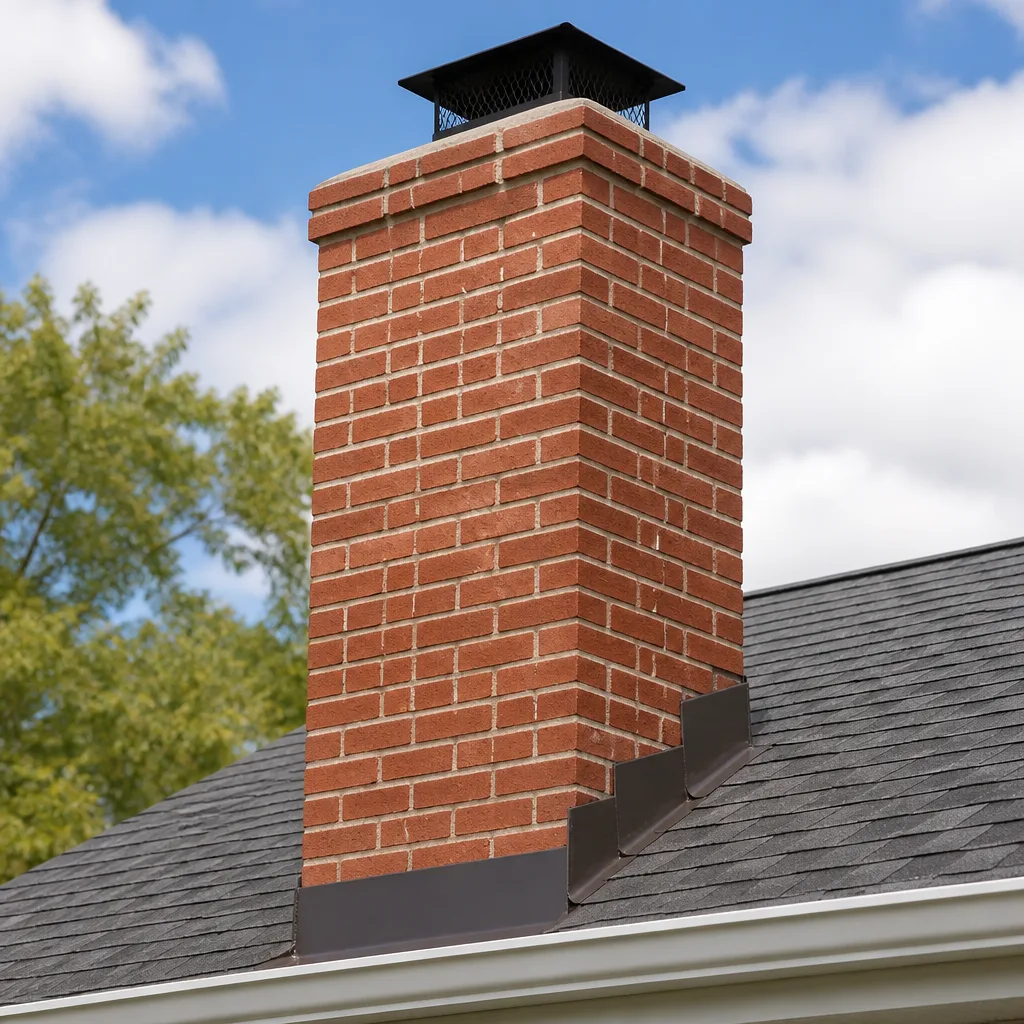
- Loose or missing mortar joints: joints that look recessed or sandy. That’s water getting into the core of the wall.
None of these require a ladder to spot. Binoculars from the yard work fine. If you see any of them, it’s a strong reason to have the chimney evaluated before you burn again. The key point is that these signs don’t fix themselves as the weather dries out; the damage they reveal usually stays.
Efflorescence, crown cracks, and rust stains explained
These three exterior signs are the ones Spring Hill homeowners ask about most, and each points to a different part of the system. Reading them correctly tells you whether you’re looking at a moisture-control problem, a structural one, or a metal-component failure.
Efflorescence: water moving through the wall
Efflorescence is the white, powdery bloom you see on masonry. It forms when water dissolves salts inside the brick or mortar and carries them to the surface, where they dry into a crust. It is the single most useful early warning sign a Spring Hill homeowner has, because it shows you water is inside the masonry. That water can be getting in through the crown, through failed mortar, through a cracked chase, or through the flashing at the roofline. The stain is the symptom; the real question is where the entry point is. Left alone, the same moisture that causes the bloom can degrade the mortar and eventually reach the flue structure.
Crown cracks: the top of the system failing first
The crown caps the chimney and sheds water off the top. It is the most exposed part of the whole structure and the first to crack. A crown with a widening crack isn’t holding water back anymore. During heavy rain, water runs into the crack and straight down the flue. When we look at a crown, we’re checking it for cracks, gaps at the edge, and any separation from the flue tile. A crown that’s cracking generally can be repaired rather than replaced, but waiting turns a small fix into a masonry job.
Rust stains: metal telling you it’s compromised
Rust staining near the cap usually points to a corroded cap, a rusting top plate, or a failed metal component exposed to constant moisture and warm air. Because rust staining is often the visible tip of a component that’s already failing, it deserves a look rather than a power-wash. A chimney cap that’s rusted through isn’t keeping rain or wildlife out properly, and the components underneath it are the ones at risk.
If any combination of efflorescence, crown cracks, and rust staining is present, the fix is rarely a single task. It’s usually a repair scope: crown repair, a new cap, and often liner assessment, handled together. If you want to understand how the full Spring Hill system comes together, a proper sweep and inspection is where to start.
What smoke behavior during a burn reveals
How your fireplace behaves during a fire tells you as much as the outside of your chimney. Watch the smoke, and pay attention to three things: whether it goes up, how fast it goes up, and whether it comes back into the room.
Normal draw. A well-functioning chimney pulls smoke up and out with a steady draft. You’ll see a clear exhaust at the top and little to no smoke at the firebox. There’s always a small amount of smoke the moment you light a fire while the flue warms, but it should settle into a steady upward draw within a few minutes.
Slow draw. If the fire is slow to establish, the smoke lingers near the firebox, or the room smells smoky for the first fifteen minutes, the draft is weak. Weak draft isn’t just annoying; it’s a sign the system isn’t venting as designed. Common causes are a partially blocked flue, a cap that’s too restrictive, a firebox that’s too small for a very large fire, or cool, damp outdoor air on a mild Spring Hill evening. Mild weather doesn’t remove the need for a working draft, and slow draw is worth investigating before the next season.
Rollout. Rollout is when smoke comes out of the opening of the firebox into the room rather than up the flue. That’s a stop-using-it signal. Rollout can come from a blockage in the flue, a closed or partly closed damper, a liner problem, or a house pressure issue. None of those are something to experiment with over a fire. If smoke rolls into your living room, put the fire out, open a window, and have the system inspected before you burn again.
Odor during a burn. A faint wood-smoke smell during the first few burns of the season is normal, especially after a summer of sitting idle. A sharp, acrid smell, or a smell that persists long after the fire is out and fills the room, is different. That points to a venting problem, and it should be checked.
If you have a gas insert rather than a wood fireplace, watch for similar patterns. A gas log set that smells, produces soot, or won’t stay lit cleanly is also telling you the venting needs a look.
Normal creosote smell versus a liner breach
Smell is the warning sign homeowners most often dismiss, and it’s also the one that most often turns out to mean something. The trick is telling the two kinds apart.
Normal creosote smell. Creosote is the tar-like residue left by burning wood. It has a distinct smoky, ashy, sometimes tar-like odor. You’ll notice it most when the chimney is warm and the humidity is high, which is a lot of the year in Spring Hill. A faint creosote smell the first few times you burn, or when you first open the damper, is expected. It comes from the residue that’s supposed to be there and is a reminder that annual sweeping keeps it in check.
Persistent odor that means more. A creosote smell that lingers for days after a fire, gets stronger rather than fading, or you can smell in rooms far from the fireplace is telling you the flue isn’t sealed. That’s a common sign of a liner breach. A cracked or deteriorated flue liner lets smoke and combustion gases leave the flue and enter the chimney structure, the attic, or the living space. In a home with a gas appliance tied into the chimney, a liner breach can also let combustion gases escape into the house rather than venting outside.
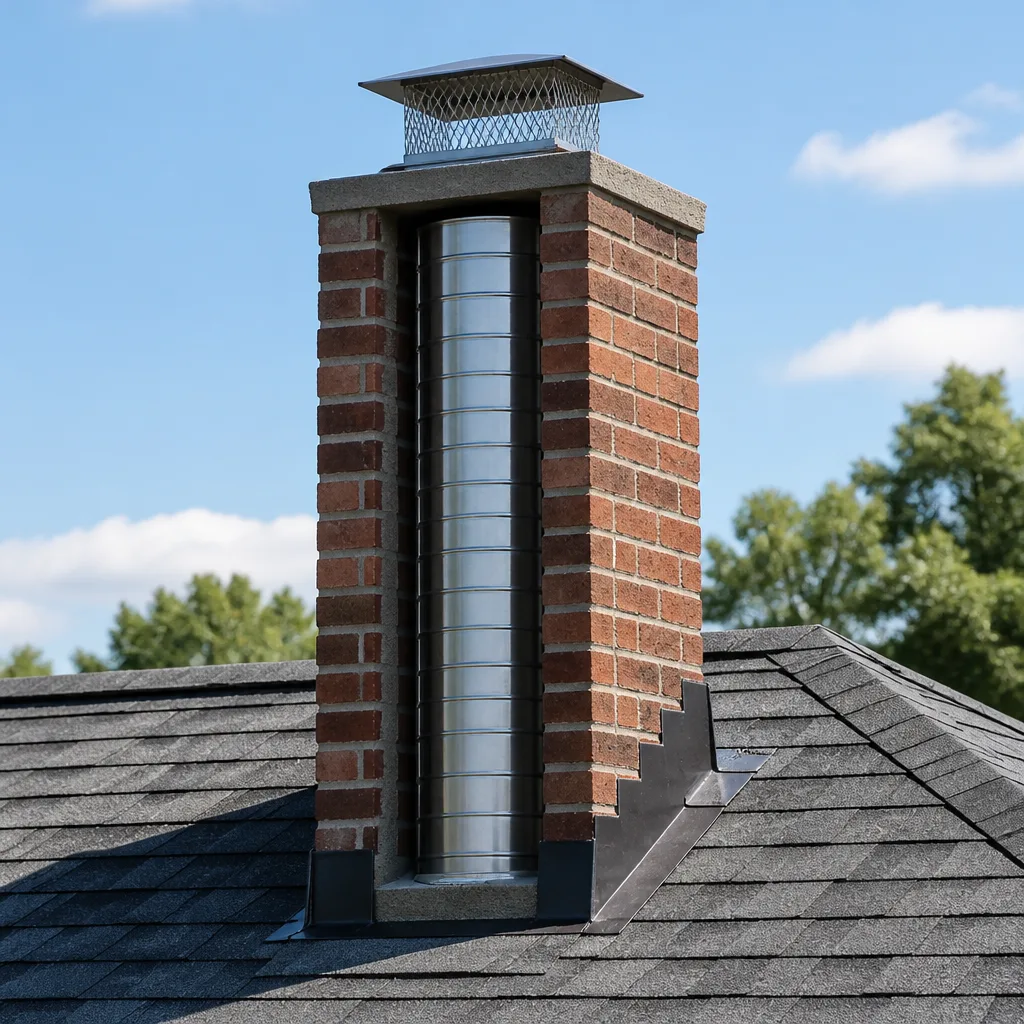
This is why we treat persistent odor as a safety flag rather than a nuisance. A liner that’s breached is not protecting you the way it was designed to. It’s a job for a professional inspection, not a scented candle. If the inspection confirms liner damage, there are real options: a HeatShield resurfacing of a deteriorated flue can restore the liner from the inside, and when replacement is the right call we specify DuraFlex flexible liner systems, which are engineered specifically for the application rather than generic flex pipe.
If you’re in Spring Hill and you’re not sure which kind of smell you’re dealing with, that’s a good reason to book an inspection rather than guess. The difference matters.
Wildlife in the chimney: sounds, debris, and what it means
One of the most common warning triggers in Spring Hill is wildlife, and it’s one homeowners rarely anticipate. An uncapped chimney is a sheltered, warm, vertical space with a convenient entrance, which is exactly what a range of animals are looking for. The signs they leave tell you not just that something got in, but roughly what, and whether the chimney needs a full sweep before you burn again.
You’ll usually notice wildlife in one of three ways:
- Sounds. Scratching, flapping, chirping, or rustling coming from the chimney or the wall behind the hearth. Birds and squirrels are common chimney occupants in this climate; birds tend to nest on or near the damper ledge and get noisy when the flue warms. A loud, persistent flapping near the top of the chimney usually means a bird or squirrel has found a way in through an uncapped flue.
- Debris in the firebox. Twigs, leaves, grass, or sticks are a strong nest signal when they appear in the firebox with no fire lit. The debris type says a lot: bird nests come with leaves, grass, feathers, and droppings; squirrels leave twigs and bark; and small mammals tend to leave droppings and nesting material lower in the flue. Any of these are a sign to call for a sweep before you burn, because a nest in the flue is a blockage that creates a fire and carbon monoxide risk.
- Droppings and soot on the hearth. Droppings aren’t just messy; they’re a sign something is living in the flue and adding material you don’t want to burn. A sweep clears the debris and lets the technician check what the animals may have disturbed.
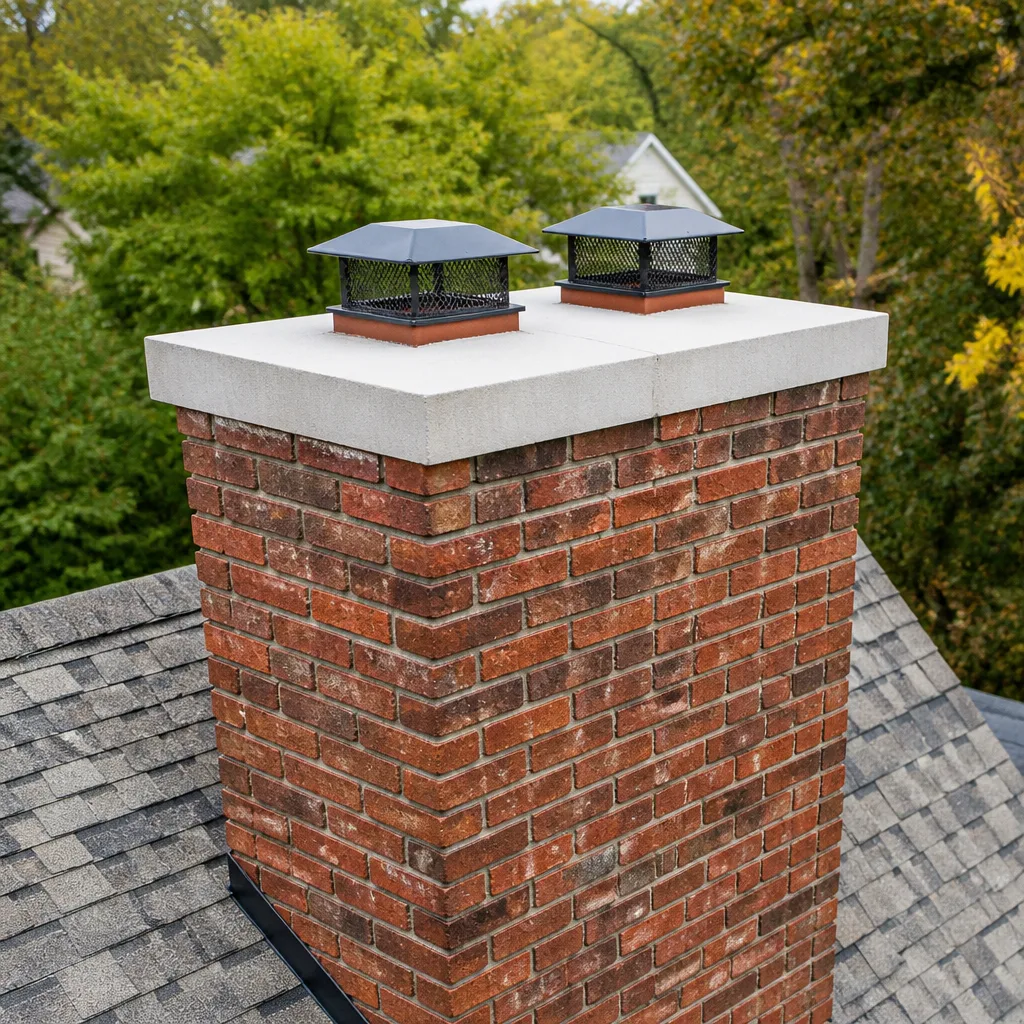
The fix is usually two steps: clear the chimney, then cap it so the entry point closes. A properly fitted cap sourced through a chimney supply network, the kind we source through Olympia Chimney, keeps the whole problem from coming back. If you’ve had a bird or squirrel turn up in your firebox in Spring Hill, that’s an inspection request, not a cleaning task you want to skip.
Monitor-and-schedule versus stop-using-it-now
Not every warning sign means the same level of urgency. Sorting yours into “monitor and schedule” versus “stop using it now” is the practical skill this guide is built around, and it’s the part that lets you protect your home without panicking over a cosmetic stain.
Get a professional in before the next burn for any of these:
- Efflorescence, spalling brick, or rust staining on the exterior. These indicate active moisture intrusion and should be assessed, but they rarely mean the system is unsafe to inspect from inside the house.
- A crown that’s cracking or a cap that’s corroded. Schedule the repair before the next heavy rain if possible.
- Slow draw. Book an inspection before the next fire, and keep fires small until then.
- Wildlife debris or a bird in the firebox. Book a sweep and cap before burning again.
Stop using the fireplace and call before you burn again if you have any of these:
- Smoke rolling out of the firebox into the room.
- A persistent, strong creosote or gas smell that lingers after the fire is out, or that you can smell away from the fireplace.
- Debris that falls freely into the firebox, or visible damage to the flue.
- Any warning sign combined with carbon monoxide detector alerts, headaches, or flu-like symptoms that clear when you leave the house. That’s a call for immediate professional assessment.
The line between the two lists is not cosmetic. It comes down to whether combustion gases are staying in the flue. A persistent smell or a smoke rollout means they may not be. A mineral stain on the outside means water is getting in, which is serious but usually has a window of time. The job of a chimney inspection is to move a household from “I think there’s a problem” to “I know what the scope is,” which is exactly what you want before you pick up a phone.
What a proper chimney sweep inspection checks
A sweep and inspection should follow the whole system, from the crown down to the firebox, because the warning signs above don’t stay in one place. Here is what a careful inspection does, in order:
- Exterior check. The technician looks at the crown, cap, brick, and mortar from the yard or roof to record any staining, cracking, or moisture evidence.
- Firebox and damper check. The firebox, damper, and smoke shelf are inspected for debris, damage, and proper operation.
- Flue inspection. A camera run through the flue records the condition of the liner, checking for cracks, gaps, and heavy creosote.
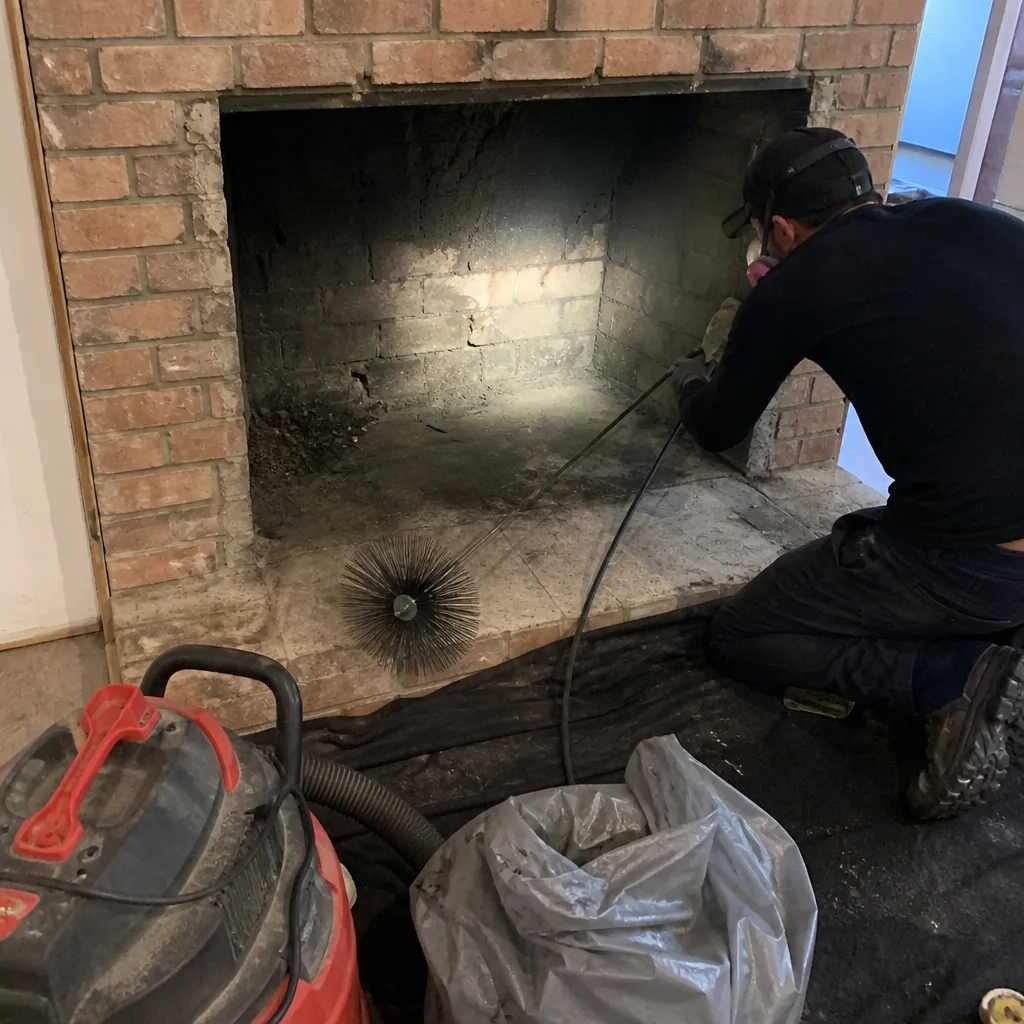
- Sweep. The flue is swept with the right tools for the liner type, and the debris is removed.
- Report. You get a written summary of what was found, what should be watched, and what needs repair, with the findings explained clearly enough to act on. A good inspection doesn’t just hand you a quote; it shows you what it saw.
One thing worth knowing: a sweep isn’t just a cleaning. It’s a diagnostic visit. If the sweep turns up a cracked liner or a damaged crown, the repair can be planned from the same findings, which is why we handle cleaning and repair together rather than handing off to a second company. A sweep that turns up nothing but a little creosote is a fine result.
If you’re also thinking about the rest of the venting in your home, a dryer vent cleaning visit at the same time covers a leading household fire hazard that most chimney-only companies don’t provide. The whole venting system, chimney flue and dryer duct, deserves the same attention.
Common Mistakes to Avoid
- Reading only the inside of the firebox. In Spring Hill’s humid climate, the first reliable warning signs are usually on the exterior. If you only look inside, you can miss efflorescence and cracking for a season or more.
- Treating efflorescence as a cleaning problem. Power-washing the white bloom off hides the symptom without fixing the water source. The moisture that caused the stain keeps moving through the masonry.
- Ignoring a slow draw because the fire still burns. A fireplace that limps along with weak draft is still venting poorly. That worsens with buildup and isn’t something to get used to.
- Burning with a nest or debris in the flue. If you’ve seen twigs, leaves, or droppings in the firebox, don’t light a fire to “test” it. Sweep first, then cap.
- Confusing the first-burn creosote smell with a breach. A faint smell on the first burns of the season is normal. A smell that lingers for days or spreads through the house is not. If you can’t tell the difference, book an inspection.
- Waiting for the next season to repair a crown or cap. In a climate with heavy rain, a cracked crown gets worse faster than you expect. Repairing it early keeps small fixes from turning into masonry work.
- Assuming a cap is optional. An uncapped flue in Spring Hill invites wildlife and rain. A properly fitted cap, sourced through a chimney supply network, is one of the simplest protections you can add.
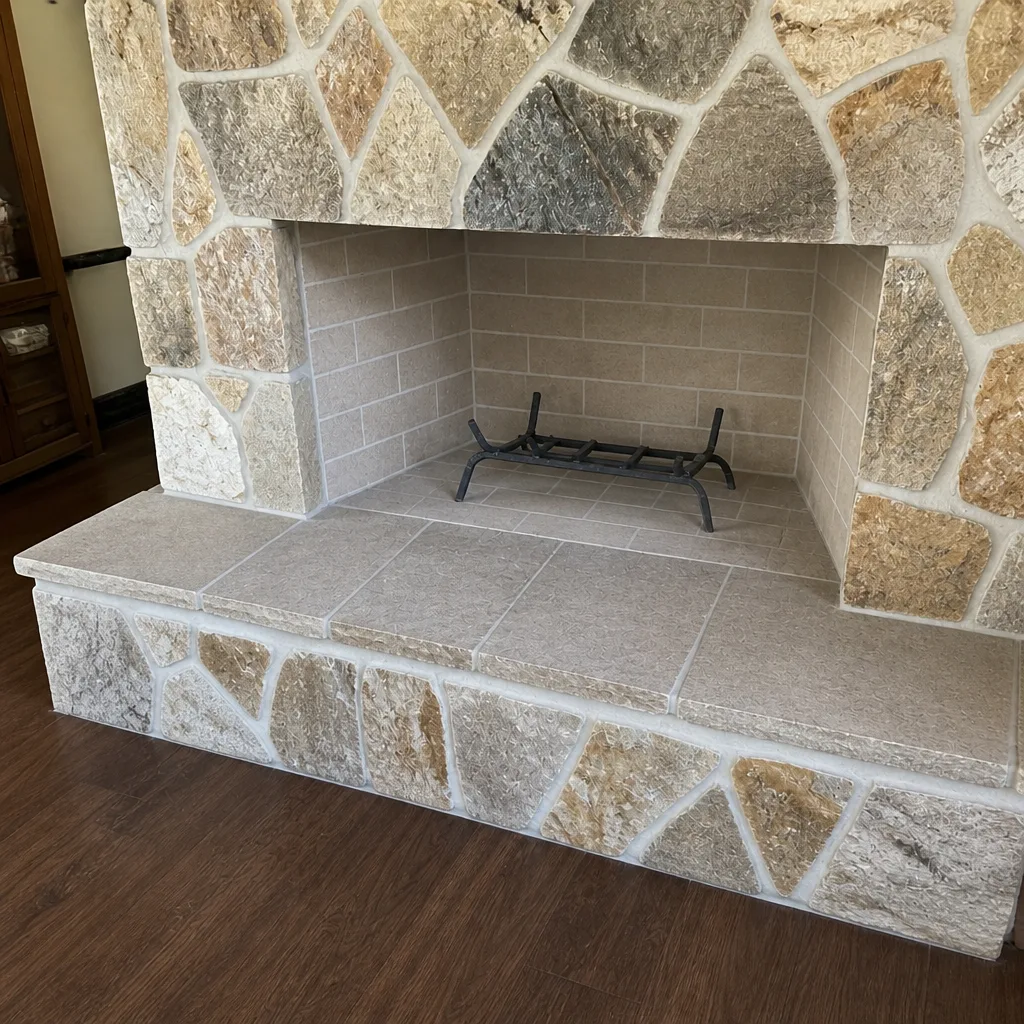
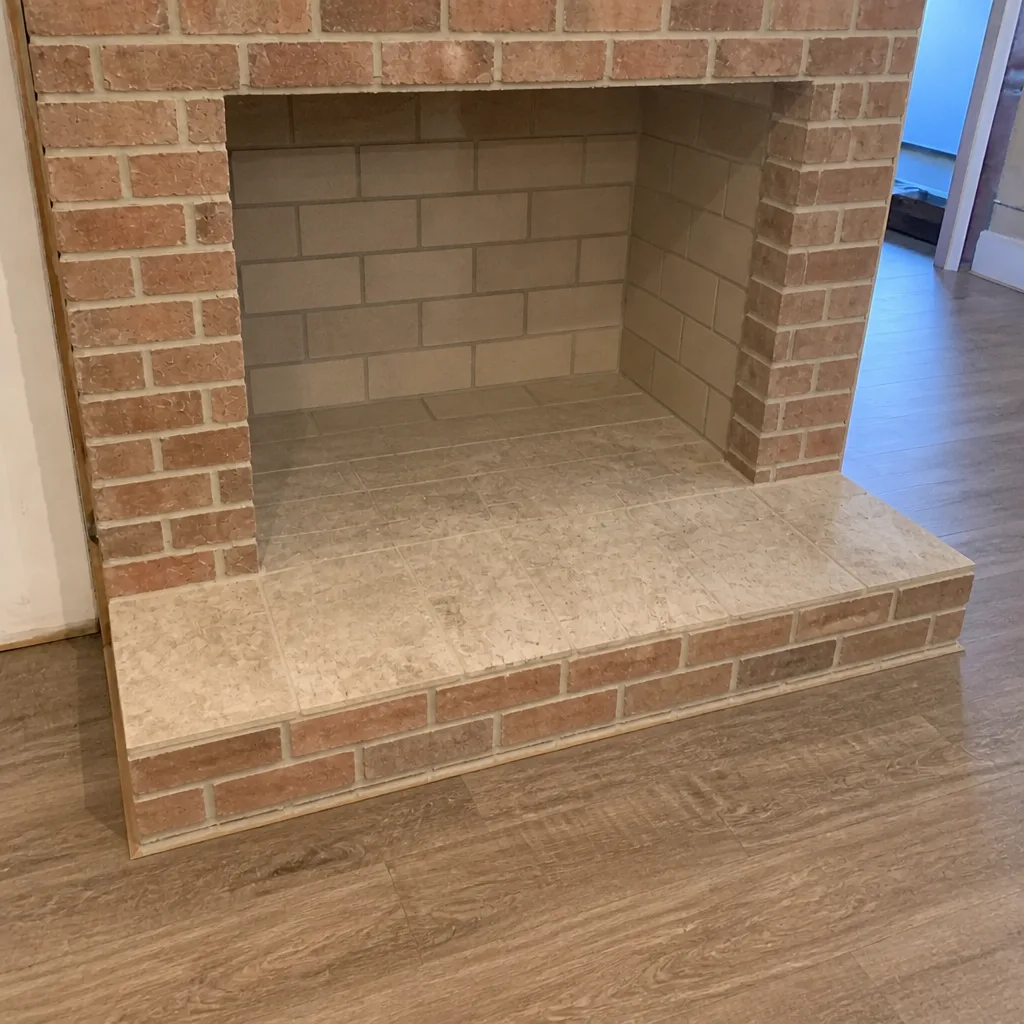
See the difference
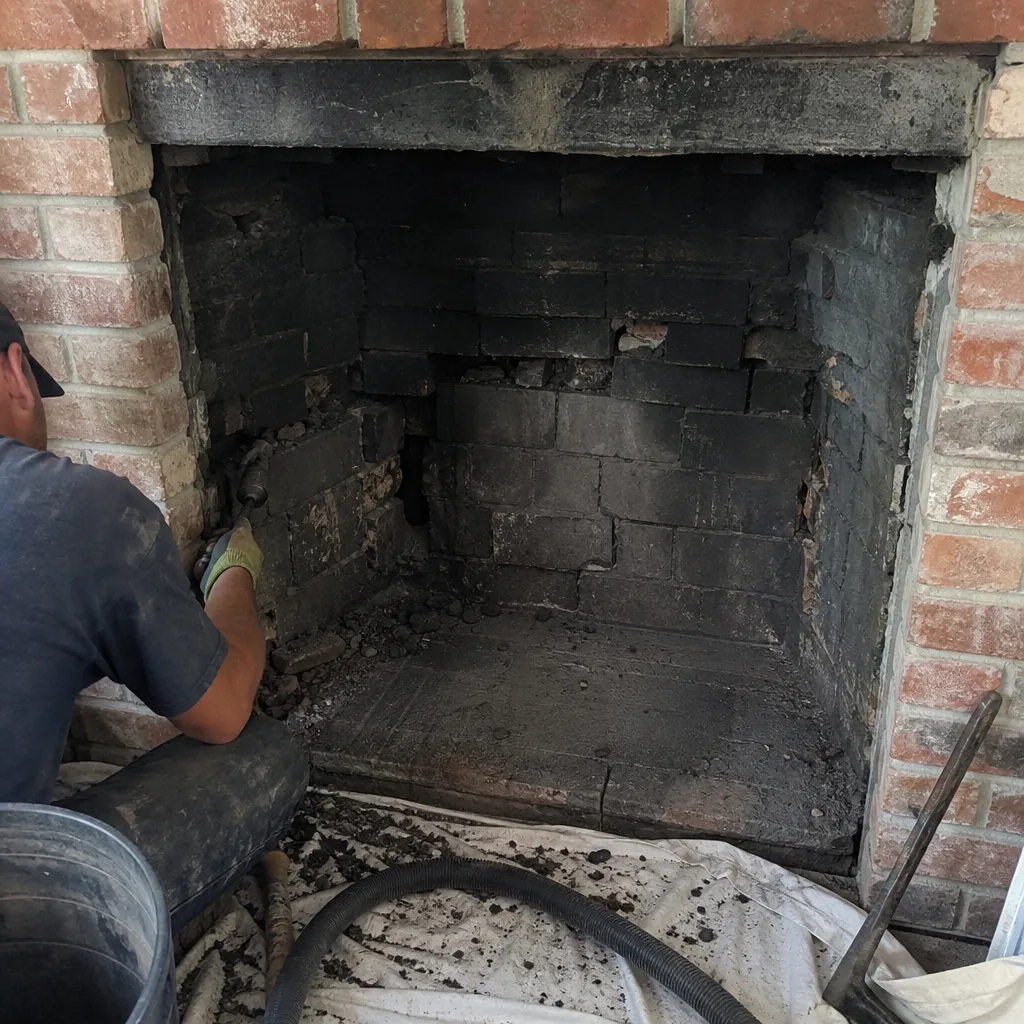 Before
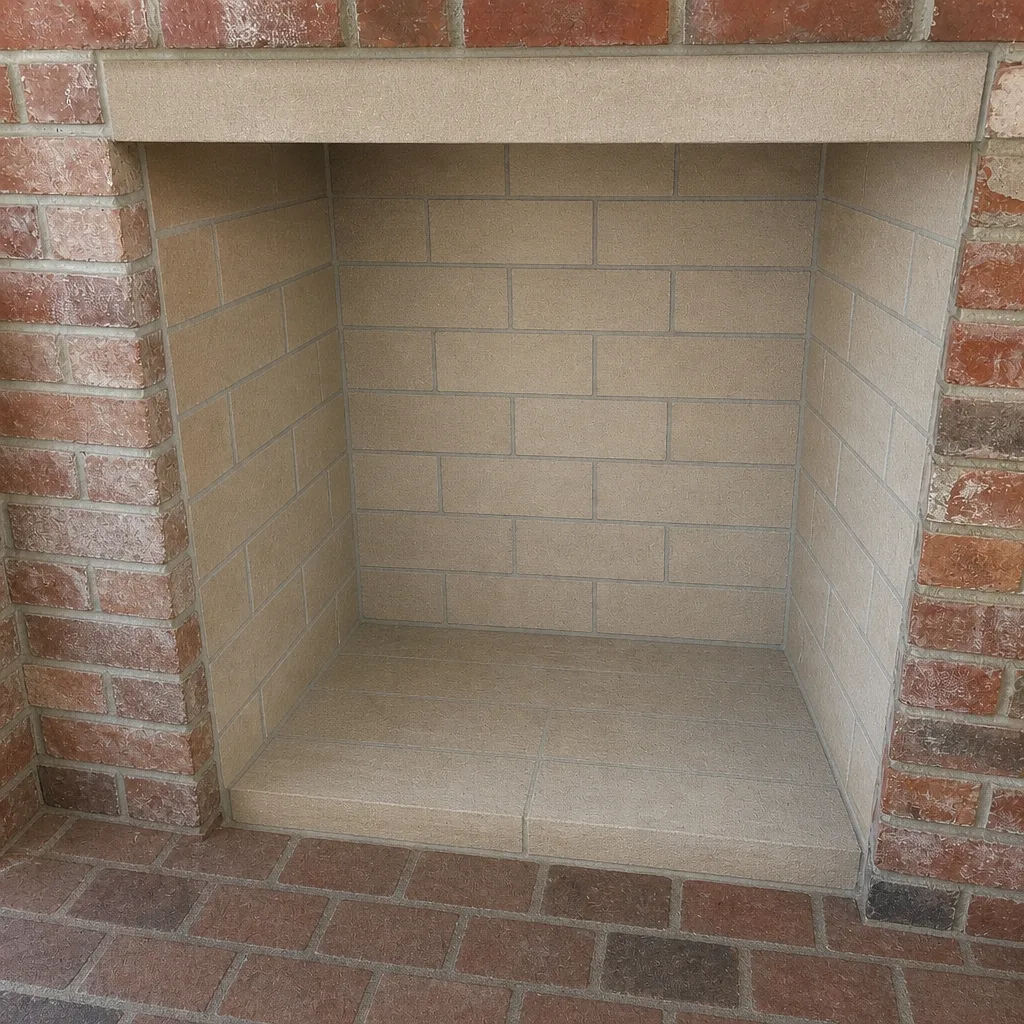 After
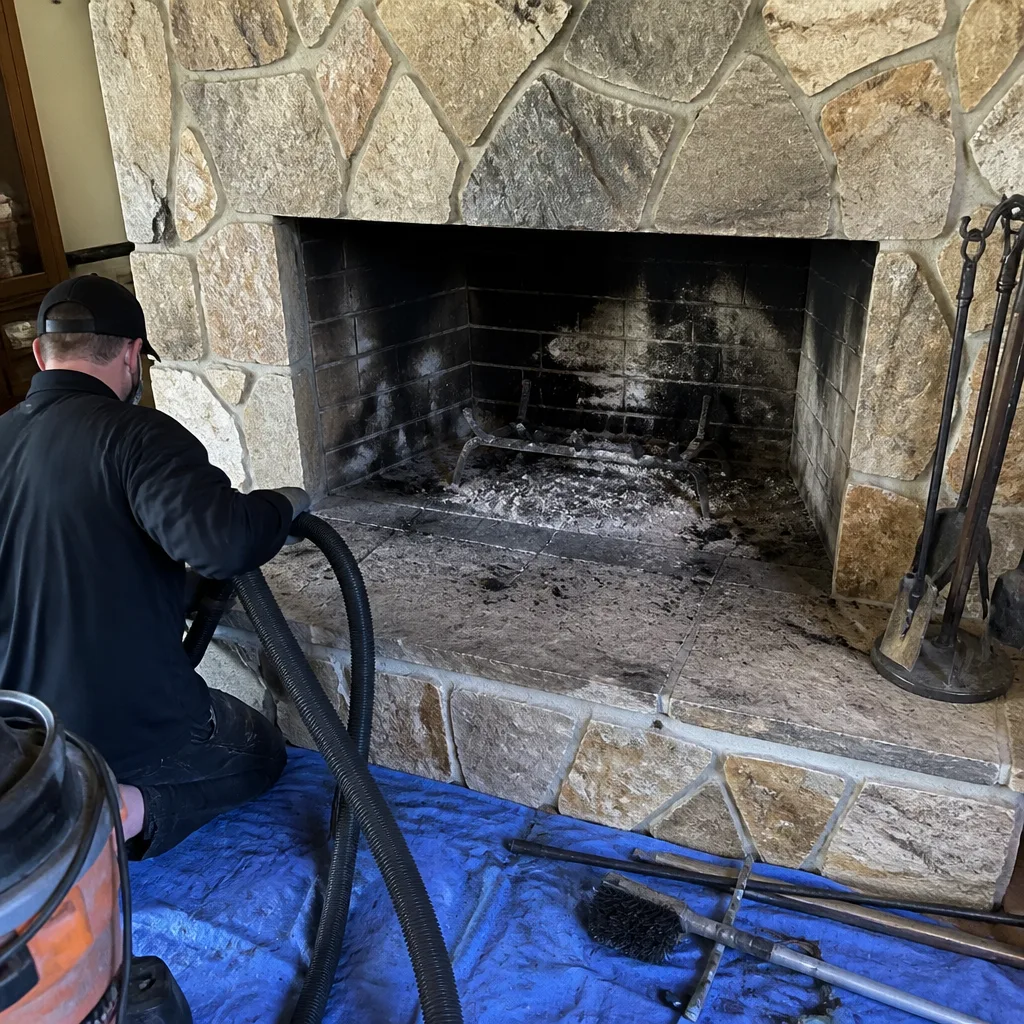 Before
 After
 Before
 After
When to Call a Professional
Call a professional when any warning sign from this guide applies to your home and you’re not certain what it means. That includes exterior staining you can see from the yard, a crown that’s cracking, rust near the cap, smoke rollout, a persistent odor, wildlife debris in the firebox, or simply not remembering the last time the chimney was swept. If you’re in Spring Hill and a sweep is due, book it before the burning season so there’s time to plan any repair without pressure.
Chimney Sweep Spring Hill offers free estimates in Spring Hill. Call (855) 360-8361. We answer 24/7. Fast dispatch from 7am to 7pm, Sunday through Friday, and estimates are free. Our technicians have up to 13 years of experience, and we can inspect the whole system from the exterior to the firebox so you know exactly what you’re dealing with.
Frequently Asked Questions
Most homes should have the chimney swept and inspected once a year if the fireplace is used regularly, and at least every couple of seasons if it’s only used occasionally. Creosote builds up whether you burn every week or once a month, and in Florida’s humid climate, moisture and wildlife both add to the reasons for an annual check. Call (855) 360-8361 for a free estimate and a sweep that includes a full inspection.
Efflorescence itself is not a health hazard, but it means water is moving through your masonry, which can degrade the structure and the flue over time. The stain is the symptom and the water source is the problem, so you want it looked at rather than scrubbed off. Book an inspection to trace where the moisture is entering, and then repair the cause. Call (855) 360-8361 for a free estimate.
It can be. A faint creosote smell is normal, but a smell that lingers for days or reaches rooms away from the fireplace often means the flue isn’t sealed, which can point to a liner breach. That’s a safety issue and worth a professional look. Call (855) 360-8361 and we’ll inspect before you burn again.
Smoke coming into the room is called rollout, and it means the chimney isn’t venting properly. Common causes include a flue blockage, a partly closed damper, a liner problem, or a nest. Put the fire out, open a window, and don’t burn again until the system is inspected. Call (855) 360-8361 for a free estimate.
The signs are scratchy or flapping sounds from the chimney, twigs and leaves in the firebox, and droppings on the hearth. Birds and squirrels are the most common intruders in Spring Hill, and any of those signs means a sweep and a properly fitted cap, not a fire. Call (855) 360-8361 and we’ll clear the flue and close the entry point.
It should be fixed before the next stretch of heavy rain, if possible. A cracked crown lets water run down the flue. It’s rarely an emergency, but it worsens faster than most people expect in Florida’s climate, so it’s better handled as a scheduled repair than a rebuild later. Call (855) 360-8361 for a free estimate and a look at the exterior.
The Bottom Line
Chimney warning signs don’t all look alike, and in Spring Hill’s climate, the first ones often show up outside the house. White staining, crown cracks, and rust near the cap all mean water is finding its way into the system. Smoke rollout and persistent odor mean the flue isn’t venting as it should, which is a stop-and-inspect problem. Wildlife debris is a sweep-and-cap job, and normal creosote smell during the first burns of the season is the only one on this list you can reasonably wave off. Read the whole system from the yard to the firebox, get an inspection before the burning season, and you’ll know exactly what you’re dealing with.
Written by the team at Chimney Sweep Spring Hill.