
Last updated November 14, 2026
 Sweep & inspection
 Caps & crowns
 Flue relining
 Masonry repair
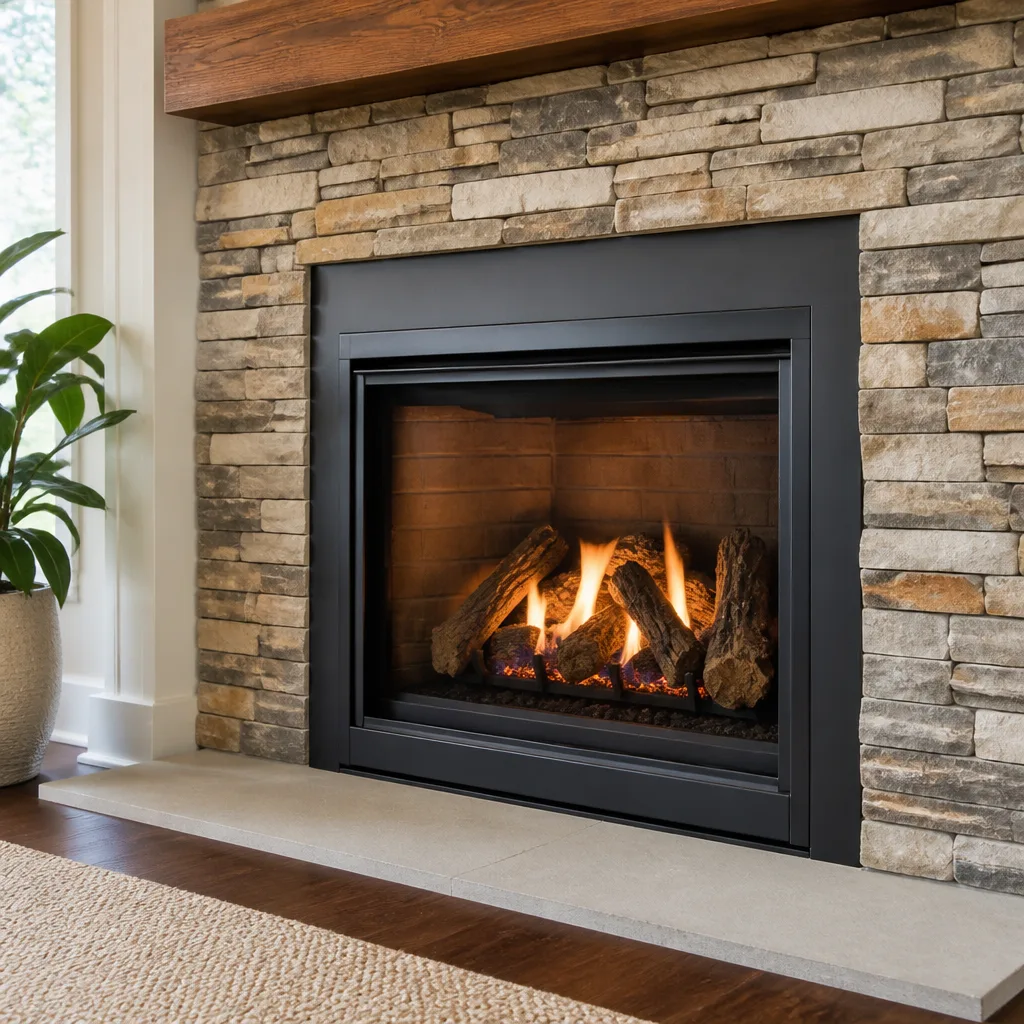 Gas fireplace service
Level 1 sweep and inspection to the NFPA 211 annual standard - flue, crown, cap, and flashing checked and photographed
Chimney sweep logs do not sweep chimneys. They loosen some creosote - which then falls where a brush and vacuum still have to collect it.
Chimney Sweep Troubleshooting in Spring Hill: Common Problems and How to Fix Them
A smoky fireplace isn’t a fireplace problem. Nine times out of ten it’s a pressure problem or a draft problem, and the fireplace is just where the symptom shows up. Homeowners in Spring Hill spend money on a new damper or a fireplace screen before anyone checks the flue, and the smoke comes right back on the next cool evening. This guide works the other way around. We walk through chimney problems in Spring Hill by symptom: what you smell, what you see, when the smoke appears, and what each of those signals actually points to. By the end you’ll know which issues are cosmetic, which are system failures, and what you can safely check yourself.
Quick Answer
Most chimney problems in Spring Hill trace to three root causes: a draft or pressure imbalance in the house, a deteriorated or blocked flue liner, or water getting into the chimney through a failed crown or flashing. The visible symptom (smoke, staining, smell) rarely matches the actual component that failed. A professional sweep with a camera inspection identifies the real cause in one visit, and much of what looks urgent can safely wait once the evidence is on the table.
Styles & brands we work with
- Sweep & inspection
- Caps & crowns
- Flue relining
- Masonry repair
- Gas fireplace service
Table of Contents
- Backdrafting vs. Downdraft: What’s Actually Happening
- White Staining on the Chimney Exterior: What It Signals
- Failed Liner or Blocked Flue? How to Tell the Difference
- Why Spring Hill Humidity Changes Your Creosote
- The Smoke Pencil Draft Test (and What a Technician Checks)
- The Overlooked Vent: Dryer Duct Problems
- What Chimney Repair Typically Costs in Spring Hill
- Common Mistakes to Avoid
Backdrafting vs. Downdraft: What’s Actually Happening
Backdrafting and downdraft look identical from the couch. Both push smoke into the room. They have completely different causes, and the fix for one does nothing for the other. That distinction is where most troubleshooting goes wrong.
Downdraft is a column of cold air falling down the flue because the chimney is colder than the room. It happens most often on the first fire of the season, or after a long stretch without burning, and it clears up once the flue warms. If smoke rolls into the room in the first five to ten minutes of a fire and then stops, you’re looking at downdraft.
Backdrafting is a pressure problem in the house, and it doesn’t go away once the fire is going. Smoke enters the room whenever another appliance pulls air out faster than the chimney can draw it in. Bathroom fans, kitchen exhaust hoods, and a clothes dryer all compete with the chimney for household air. If smoke appears when the exhaust fan runs and stops when it doesn’t, that’s backdrafting, and a new damper won’t fix it.
To sort the two apart, note when smoke appears and how often:
- Downdraft: smoke only at startup, worse on cold mornings, clears once the fire is established.
- Backdrafting: smoke at any point during the burn, worse when another exhaust appliance turns on, sometimes smells like exhaust rather than wood smoke.
- Both together: a cold flue in a tight house can produce symptoms of each, which is why a technician measures pressure rather than guessing.
Tighter modern construction in Spring Hill homes changes the pressure balance compared with older houses. More sealed envelopes mean less makeup air available for combustion. That’s a system issue, not a fireplace issue, and it’s the first thing we check on a smoky fireplace call.
White Staining on the Chimney Exterior: What It Signals
Those chalky white stains on the outside of a brick chimney are called efflorescence, and they mean water is moving through the masonry. Water dissolves salts inside the brick, travels to the surface, and leaves them behind as the moisture evaporates. The stain itself is harmless. What produced it isn’t.
The water usually enters at one of a few points:
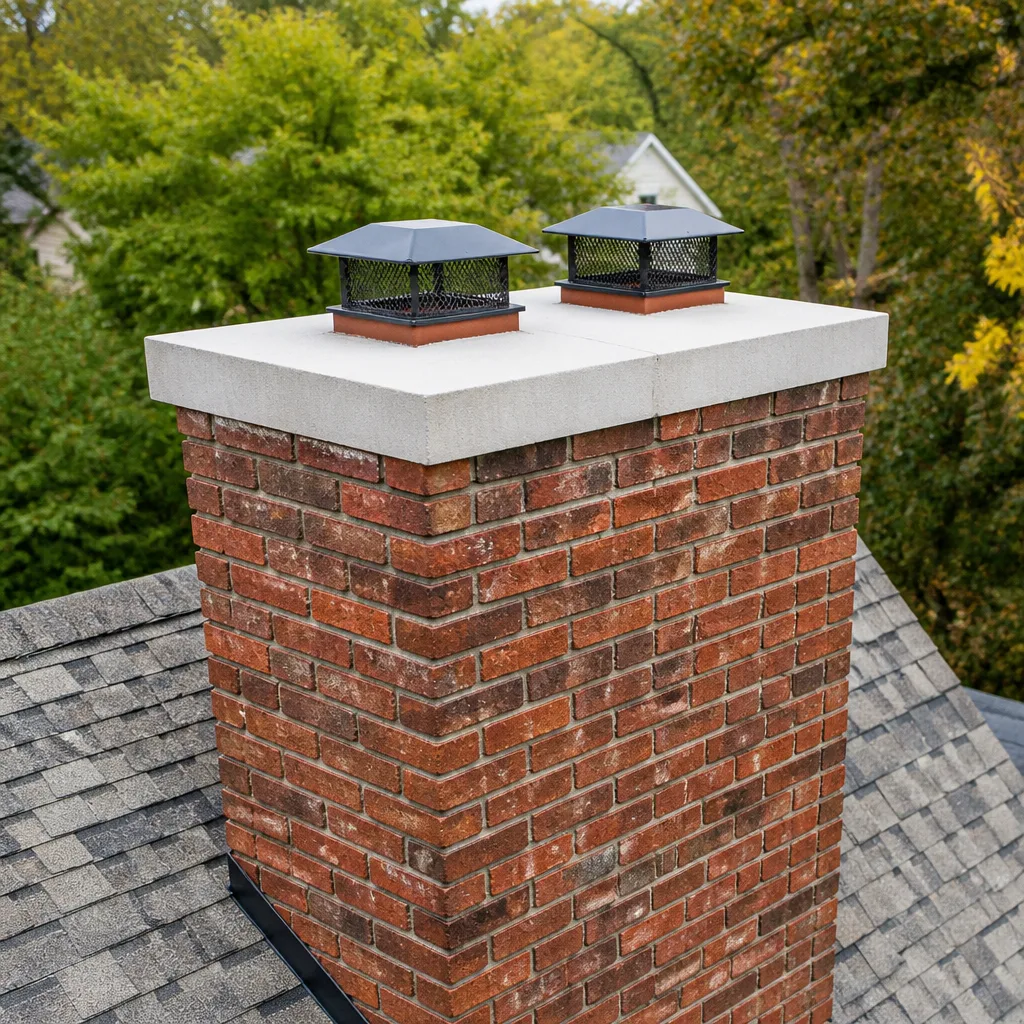
- A failed crown. The concrete cap on top of the chimney cracks, water runs down into the flue, and it shows up as staining lower down the stack.
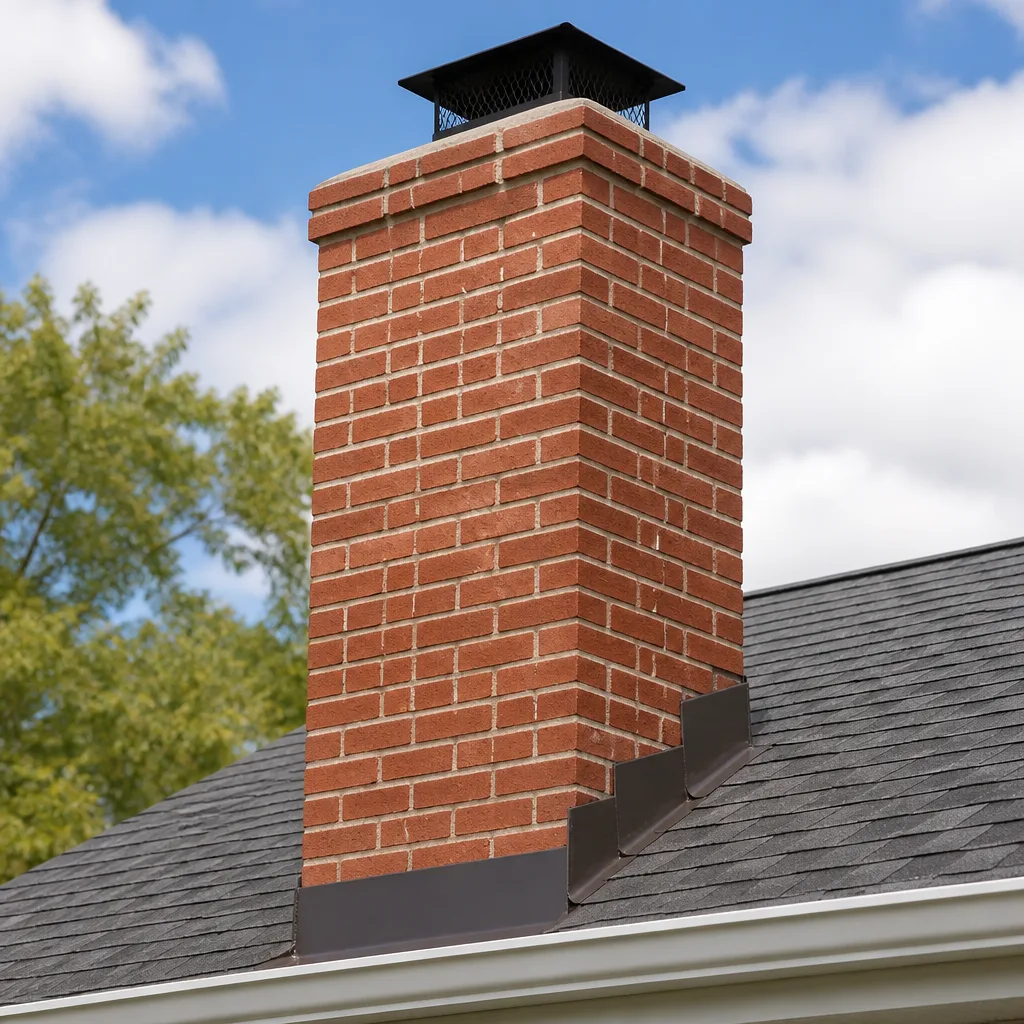
- Failed flashing. The metal seal where the chimney meets the roof opens up, letting rain behind the brick.
- No chimney cap. An open flue takes rain straight down the inside, saturating the structure from within.
- Wicking. Masonry pulling moisture up from saturated ground at the base, which usually shows as staining at the bottom of the stack rather than the top.
Here’s the part that trips up homeowners and handymen alike: sealing the face of the chimney before fixing the crown makes it worse. A surface sealer traps water inside the brick that would otherwise evaporate out. The staining stops, the brick gets wetter, and the freeze-free climate of Spring Hill doesn’t save you – continuous damp masonry still spalls over time. Find and fix the entry point first. Then, if a sealer is appropriate at all, it’s the vapor-permeable kind applied after the underlying leak is resolved.
During a sweep we check the crown, flashing, and cap condition. Components from Chimney Sweep Spring Hill are specified through suppliers like Olympia Chimney and Copperfield so a replacement cap or crown mortar matches what’s actually on the chimney, rather than a hardware-store approximation.
Failed Liner or Blocked Flue? How to Tell the Difference
A failed liner and a blocked flue both produce weak draft, smoky fires, and stains around the fireplace, so homeowners often assume the worst and brace for a full reline. That’s a costly assumption. A blocked flue is often cleared in an afternoon. A failed liner genuinely needs relining. You can’t tell which you have from the living room.
Start by identifying what the symptoms actually look like:
- Blocked flue: sudden change in draft, smoke rolling backward, soot falling into the firebox, or a strong smell even when there’s no fire. Common causes include a bird or squirrel nest, a collapsed chunk of masonry, or heavy creosote closing off the flue.
- Failed liner: draft that’s been weak for a while and getting worse, staining on the firebox or chase exterior, visible cracks or gaps in a clay liner, or the telltale smell of exhaust in the house that indicates flue gases are escaping into the structure.
The only reliable way to tell them apart is to look down the flue with a camera. That’s why we include camera inspection and a photo report with every sweep. If we’re recommending relining, the homeowner can see the crack or gap themselves in the report. No recommendation without evidence you can check.
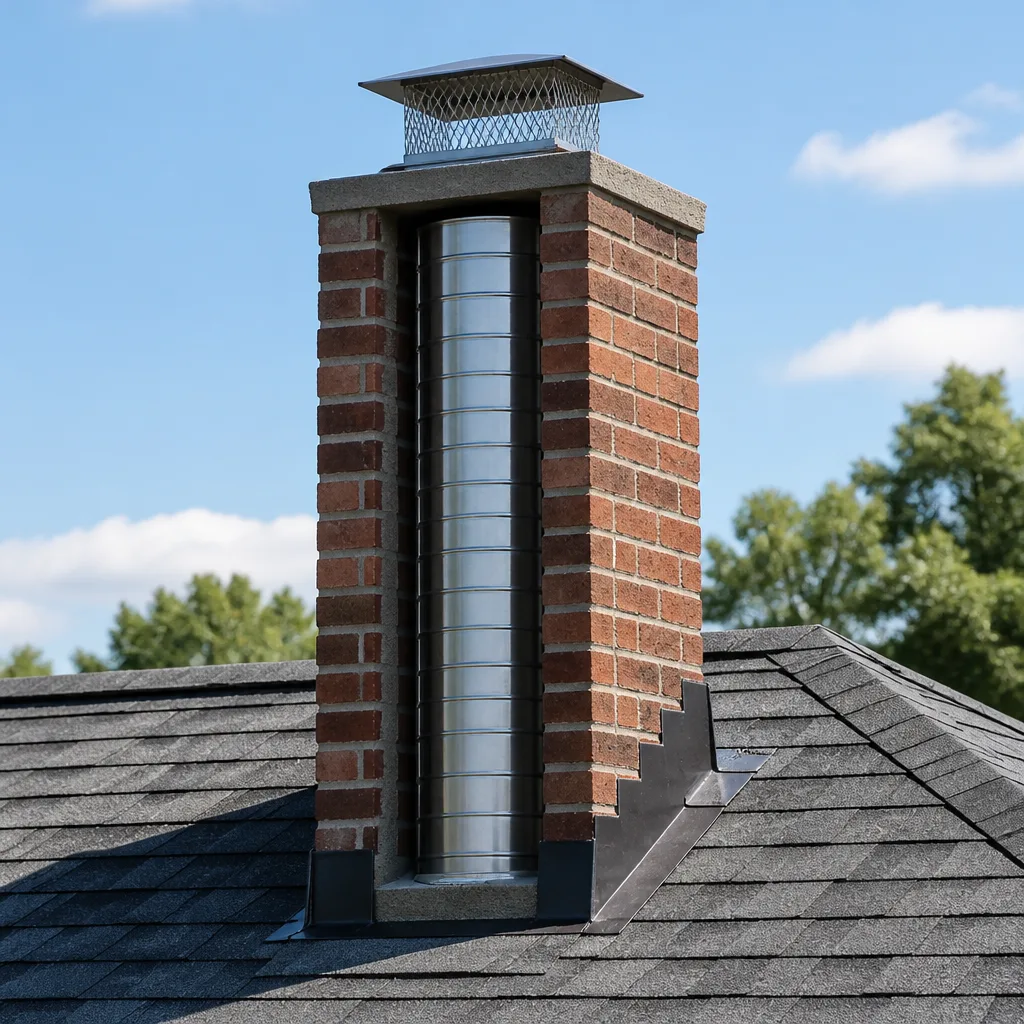
When a liner does need replacing, we specify DuraFlex flexible liner systems rather than generic flex pipe. DuraFlex is a professional-grade product engineered for the application, not a stock item chosen for price. Likewise, for a deteriorated clay liner that hasn’t failed outright, HeatShield resurfacing compound is designed to restore the existing flue rather than patch around the damage. Both are matched to the specific flue size and appliance, which is why the assessment has to come before the product choice.
Why Spring Hill Humidity Changes Your Creosote
Creosote builds in stages, and how fast it moves from the mild stage to the dangerous one is heavily influenced by moisture. Spring Hill’s humidity plays a real role here, and most homeowners don’t realize it until a sweep reveals a heavier deposit than they expected given how little they burn.
The three stages look like this:
- Stage 1: soot and light flaky deposits. Easy to brush out during a normal sweep.
- Stage 2: denser, crusty or flaky deposits that cling to the flue and need more than brushing in some cases.
- Stage 3: glaze – a hard, shiny, tar-like layer that’s a chimney fire risk and takes specialized removal.
What drives the transition from 1 to 2 is unburned fuel condensing on cooler flue surfaces. Spring Hill’s humid air carries more water vapor, and damp firewood compounds the problem. When wood sits outside uncovered in a humid climate, it absorbs moisture it may never fully shed. Burning that wood produces more smoke, more condensation, and a faster creep toward Stage 2.
What you can do without a professional: burn dry, seasoned wood only, keep it stored under cover and off the ground, and avoid long smoldering fires with the damper mostly closed. Those smoldering fires produce more creosote per log than a hot, clean burn. What you can’t do is assess the deposit stage accurately by looking up the flue with a flashlight. Stage 2 and Stage 3 can be subtle. A technician with a camera and the right brushes identifies it directly during the sweep, which is also when the removal happens.
The Smoke Pencil Draft Test (and What a Technician Checks)
There’s one diagnostic test homeowners can safely run themselves, and it’ll tell you whether you’re facing a draft problem at all. It’s called the smoke pencil test. If draft is normal, a small puff of smoke near the open damper gets pulled up the flue. If it hangs in the air, drifts into the room, or blows back at you, the chimney isn’t drawing as it should.
Do it safely: cold chimney, no fire in the firebox, no active embers, plenty of ventilation, and a proper smoke pencil from a hardware store rather than anything improvised. Hold the pencil at the damper opening with the damper fully open. Note what the smoke does.
Here’s what the test tells you and what it doesn’t. It confirms a draft problem exists. It can’t tell you why. Three things specifically need a trained eye and equipment you won’t have on a Saturday afternoon:
- Flue integrity. Camera inspection reveals cracks, gaps, and gaps that look fine from above but aren’t.
- Pressure balance in the house. Diagnostic tools measure makeup air and cross-draft, which is what separates backdrafting from downdraft.
- The creosote stage. Stage 2 and Stage 3 deposits affect the fix entirely and can’t be assessed visually from the firebox.
If the smoke pencil hangs or reverses, the useful next step is a real inspection. Our chimney sweep includes a camera check during the cleaning, so the diagnostic and the fix share the same visit. Here’s the safety note: high-tension chimney components, blocked flues, and carbon monoxide risks aren’t areas for DIY investigation. If you’re getting a draft failure, especially with a gas appliance in the house, have it evaluated by a trained technician before you burn again.
The Overlooked Vent: Dryer Duct Problems
Most chimney companies don’t touch dryer vents. We do, because the same logic applies: a vent is a system, and when it’s restricted, the risk is real. In Spring Hill, a humid climate makes the problem worse. Lint absorbs moisture, sticks to the duct walls, and builds up faster in homes where the dryer sits in a humid garage or utility room.
The symptoms homeowners notice don’t sound like dryer vent problems. They notice clothes taking longer to dry, the dryer getting hot to the touch, or a musty smell in the laundry area. Those are the telltales of a restricted duct. The moisture-laden exhaust backs up into the dryer and the room where it sits.
The fix is mechanical and specific. We run a full-length brush through the duct, check the exterior termination for lint buildup or a stuck damper, and verify the run isn’t kinked or crushed behind the dryer. If the flexible ducting has collapsed or comes from the wrong material, we suggest a professional replacement rather than a patched job. Dryer vent cleaning is one of the most cost-effective calls a homeowner can make, and it’s part of our standard scope: dryer vent cleaning is available alongside the chimney work, so one visit covers both.
What Chimney Repair Typically Costs in Spring Hill
Chimney work prices in Spring Hill track the national range fairly closely, with a few local factors: heavier humidity pushing creosote deposits toward Stage 2, a mix of concrete-block masonry and wood-framed chases, and a steady supply of older homes with original clay liners. Typical estimates for common problems:
| Service | Typical Estimated Range |
|---|---|
| Chimney sweep (with camera inspection) | $180 – $320 |
| Dryer vent cleaning | $130 – $220 |
| Crown repair | $300 – $650 |
| Chimney cap replacement | $200 – $450 |
| HeatShield flue resurfacing | $900 – $2,200 |
| DuraFlex flexible liner installation | $1,800 – $4,200 |
| Full reline with cap and fittings | $2,400 – $5,200 |
Prices vary with access, flue height, and whether the current liner needs to be removed first. The written estimate after an inspection sets the final price; nothing here is a quote. Estimate is free, and the sweep itself is agreed before booking so there are no surprises. If the camera shows the liner is intact and the problem is a bird nest, that’s the price you pay. No upselling to a reline you don’t need.
Common Mistakes to Avoid
- Sealing the exterior before fixing the crown. Traps water inside the brick and turns a surface stain into ongoing masonry damage. Find the entry point first, then decide whether sealing makes sense.
- Buying a new damper for a draft problem. A damper won’t fix a pressure issue or a blocked flue. It’s a $400 mistake that leaves the actual cause untouched.
- Assuming every weak draft means a full reline. A blocked flue from a nest or heavy creosote is a much cheaper problem. Camera inspection first, decision second.
- Burning damp wood to save money. In a Spring Hill climate, that savings accelerates creosote buildup from Stage 1 toward Stage 2 faster than you think. Dry, seasoned wood costs more per log and less per sweep.
- Ignoring a dryer vent problem because the dryer still runs. A clogged duct is the leading fire hazard behind the chimney itself. Slow-drying clothes are a symptom, not a nuisance.
- Burning through the season without a sweep because the fire “seems fine.” Smoke looks okay; the deposit stage and liner condition aren’t visible from the firebox.
- Taking the cheapest quote without seeing the inspection. If a contractor won’t show you the camera report, you have no way to verify whether the recommendation matches the evidence.
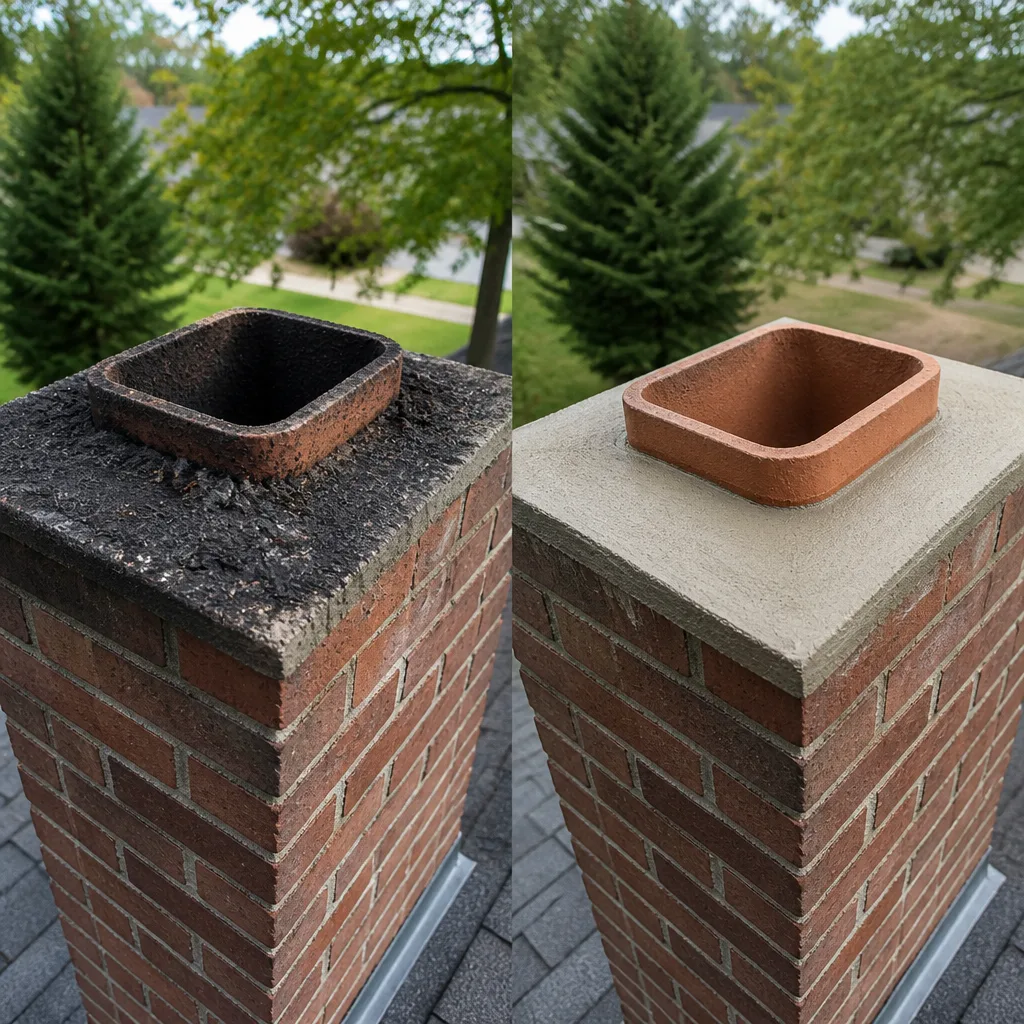
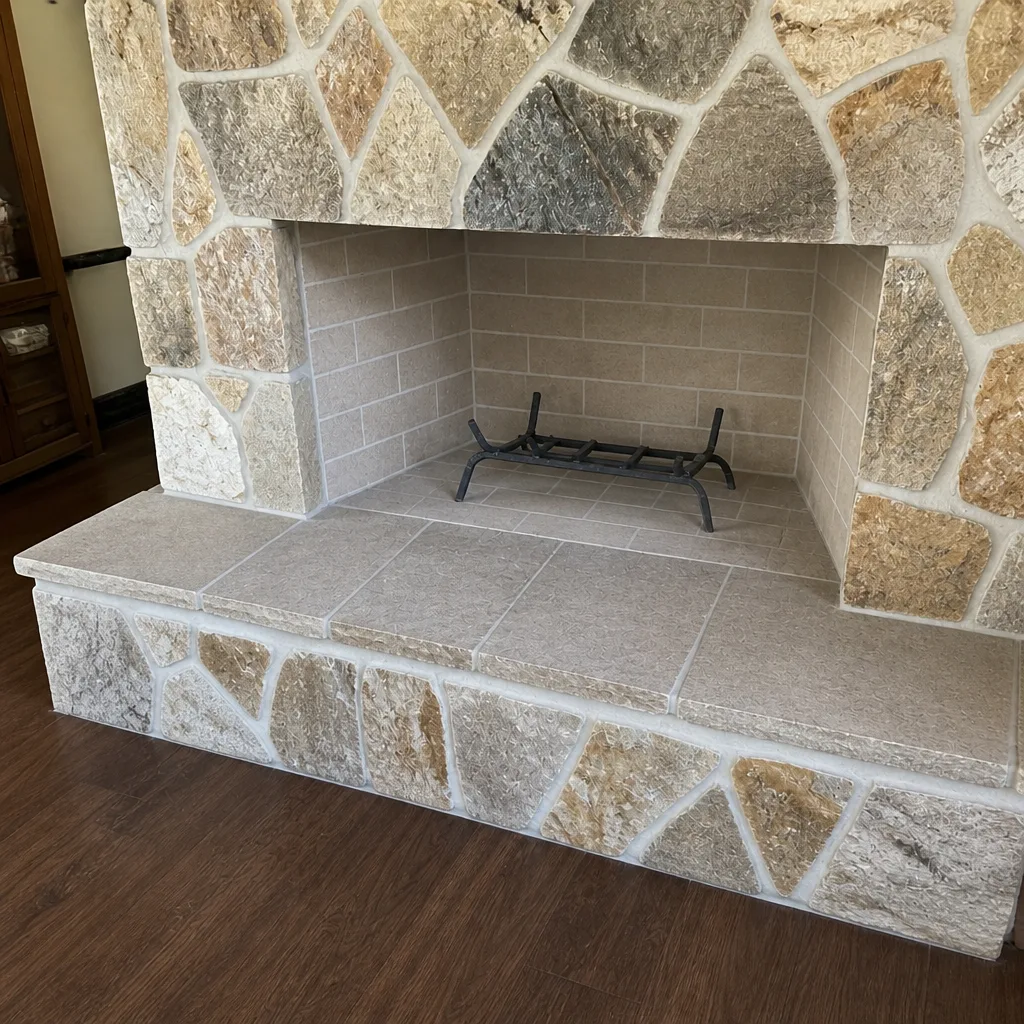
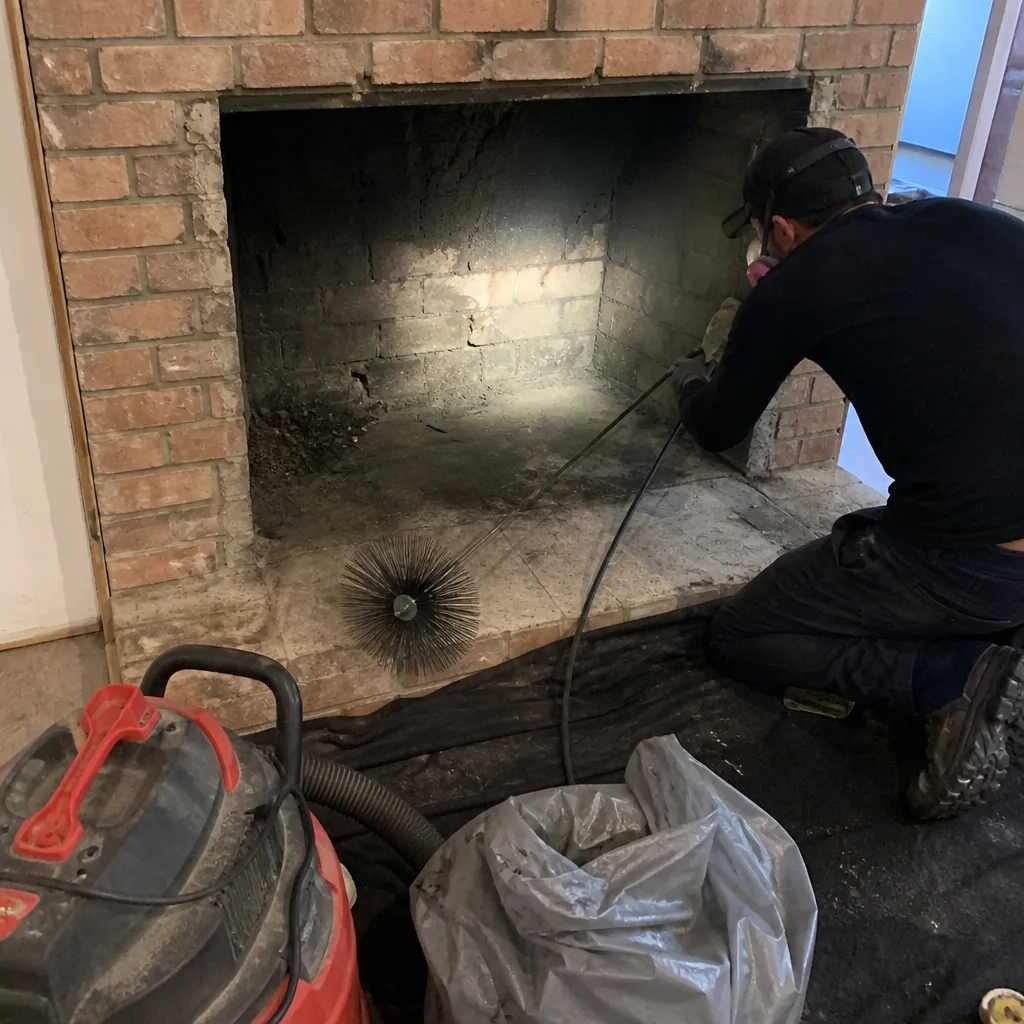
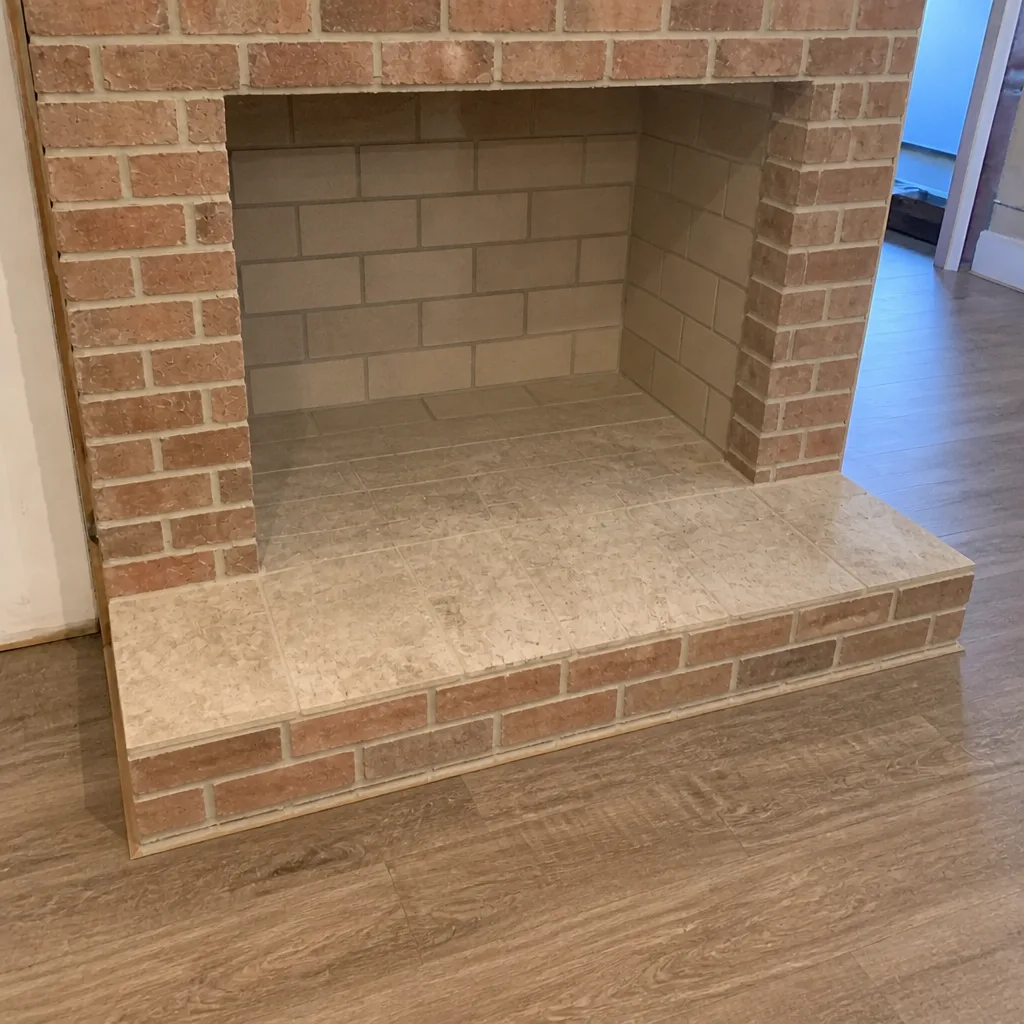
See the difference
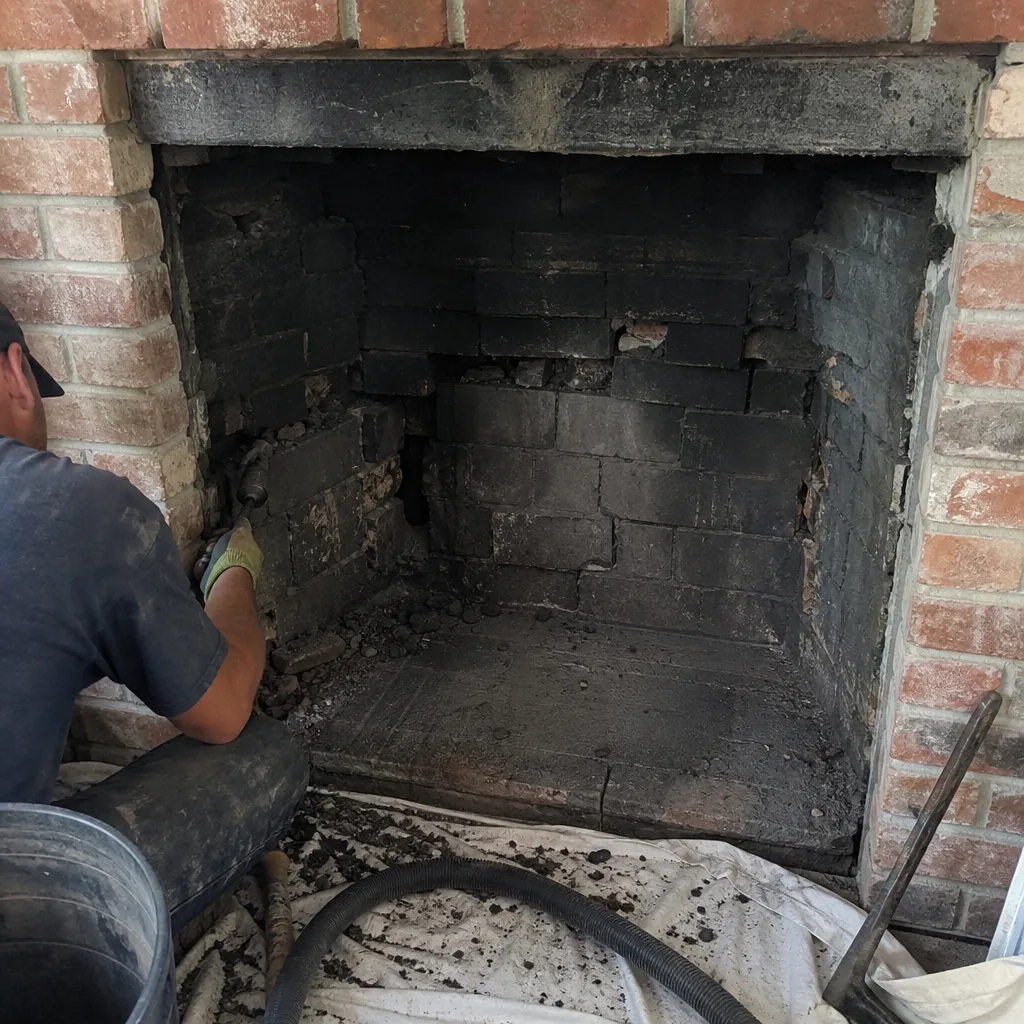 Before
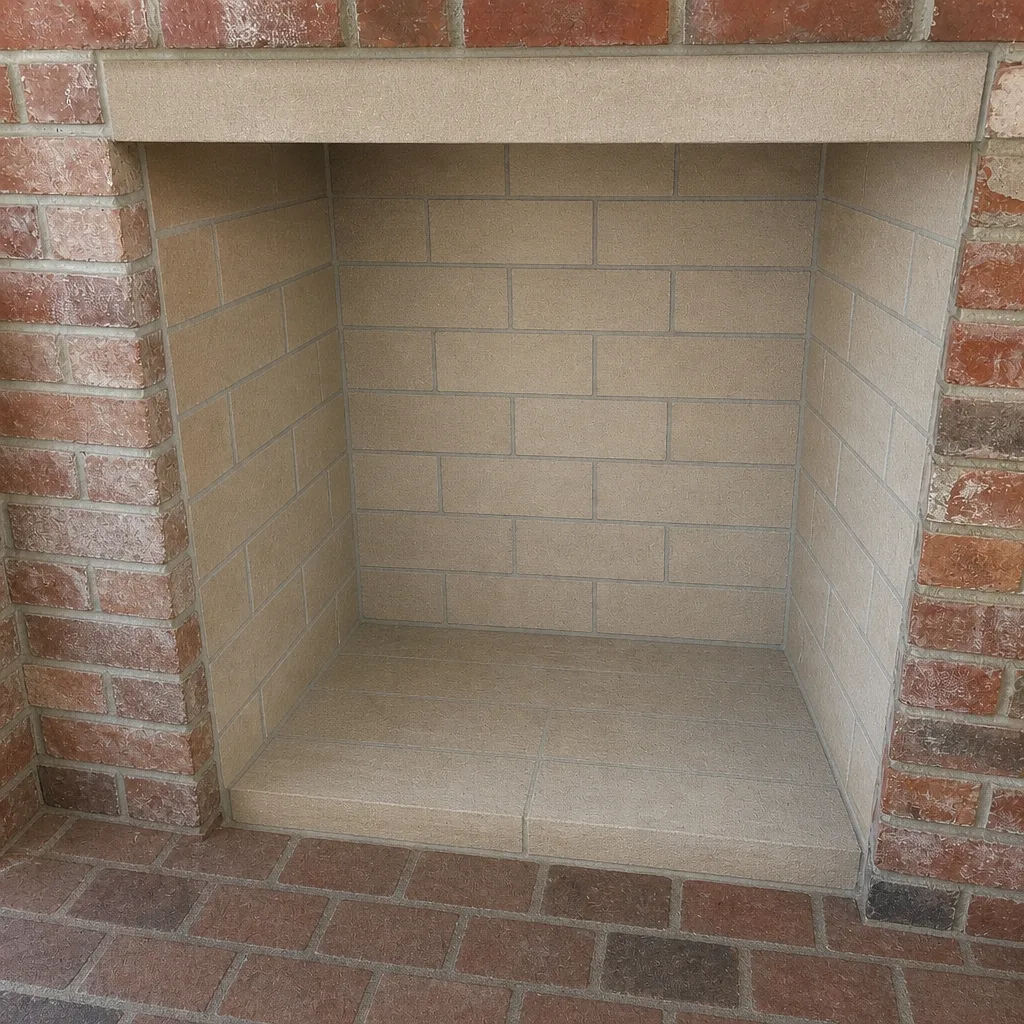 After
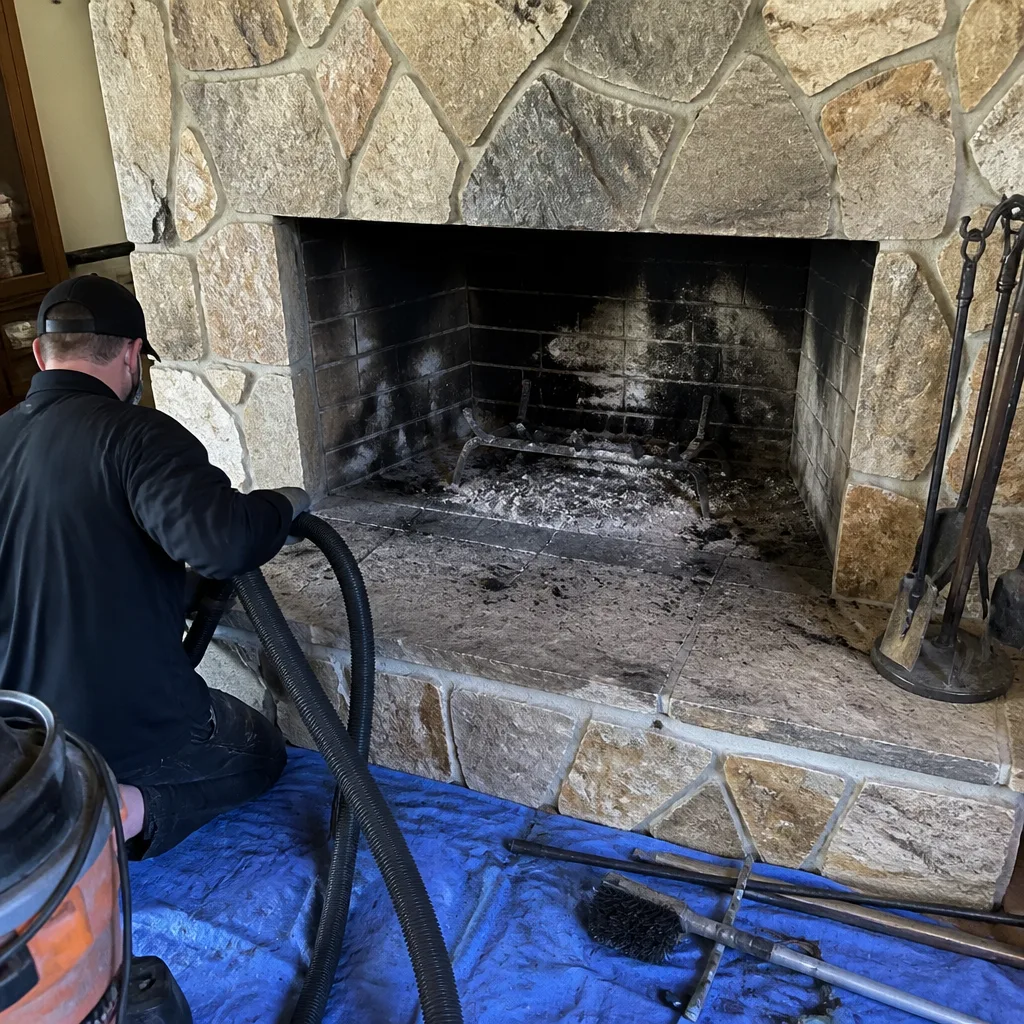 Before
 After
 Before
 After
When to Call a Professional
Call a professional when smoke enters the room on more than a rare cold start, when you smell exhaust or a strong creosote odor even without a fire, when draft has gotten noticeably worse since last season, or when you haven’t had a camera inspection on a flue more than a decade old. Also call if the exterior shows white staining with no clear source, if the crown shows visible cracks, or if the dryer suddenly needs two cycles to get clothes dry. Carbon monoxide alarms and gas-appliance venting are a stop-and-call category – do not burn or run the appliance until an inspection clears the flue. Chimney Sweep Spring Hill offers free estimates in Spring Hill – call (855) 360-8361 for a booking.
Frequently Asked Questions
A standard chimney sweep in Spring Hill typically runs $180 to $320, including camera inspection and a photo report. The written estimate after the inspection sets the final price. Call (855) 360-8361 – estimates are free.
Once a year is the standard for any chimney in regular use, and that’s a reasonable rule for Spring Hill given the humidity. If the flue shows heavy Stage 1 deposits or you burn often, a second check partway through the season is worthwhile. Call (855) 360-8361 to book the annual sweep.
Only if the camera inspection shows a crack, gap, or failure that a sweep can’t resolve. Most choked flues are blocked, not failed. We recommend a liner only when the photo report shows why. Call (855) 360-8361 for an inspection and a free estimate.
No. Downdraft clears up once the flue warms, but if smoke returns during the burn or when an exhaust fan turns on, it’s a draft or pressure problem that needs diagnosing. Call (855) 360-8361 to schedule the check.
Creosote deposits keep building, and in Spring Hill’s humidity they move toward Stage 2 and eventually Stage 3 faster than drier climates allow. Stage 3 glaze is a real chimney fire risk. Liner cracks can also release carbon monoxide into the structure. Call (855) 360-8361 for an inspection before the next burn.
The stain itself isn’t, but it means water is entering the masonry through a crown, flashing, or missing cap. The entry point needs fixing before sealing. Call (855) 360-8361 for an inspection and a free estimate.
The Bottom Line
Chimney problems in Spring Hill almost always start as system failures, not as fireplace failures. The smoky fire is a pressure issue. The white stain is water finding a path. The weak draft is a liner or a blockage. Identify the component before buying anything. Run the smoke pencil test if you want to confirm a draft problem exists, and stop there – the liner condition, the creosote stage, and the pressure balance all need a trained eye. Camera inspection with a photo report makes the recommendation verifiable. Sweep, repair, and Spring Hill dryer vent cleaning all run through one company, so what the sweep finds gets addressed on the same visit, not referred out. If you’re in Spring Hill, or anywhere nearby, and you’ve been putting off a check, call (855) 360-8361 for a free estimate. We answer 24/7. Fast dispatch from 7am to 7pm, Sunday through Friday. Our technicians have up to 13 years of experience, and the estimate is free.
Written by the team at Chimney Sweep Spring Hill.