
Last updated November 14, 2026
 Sweep & inspection
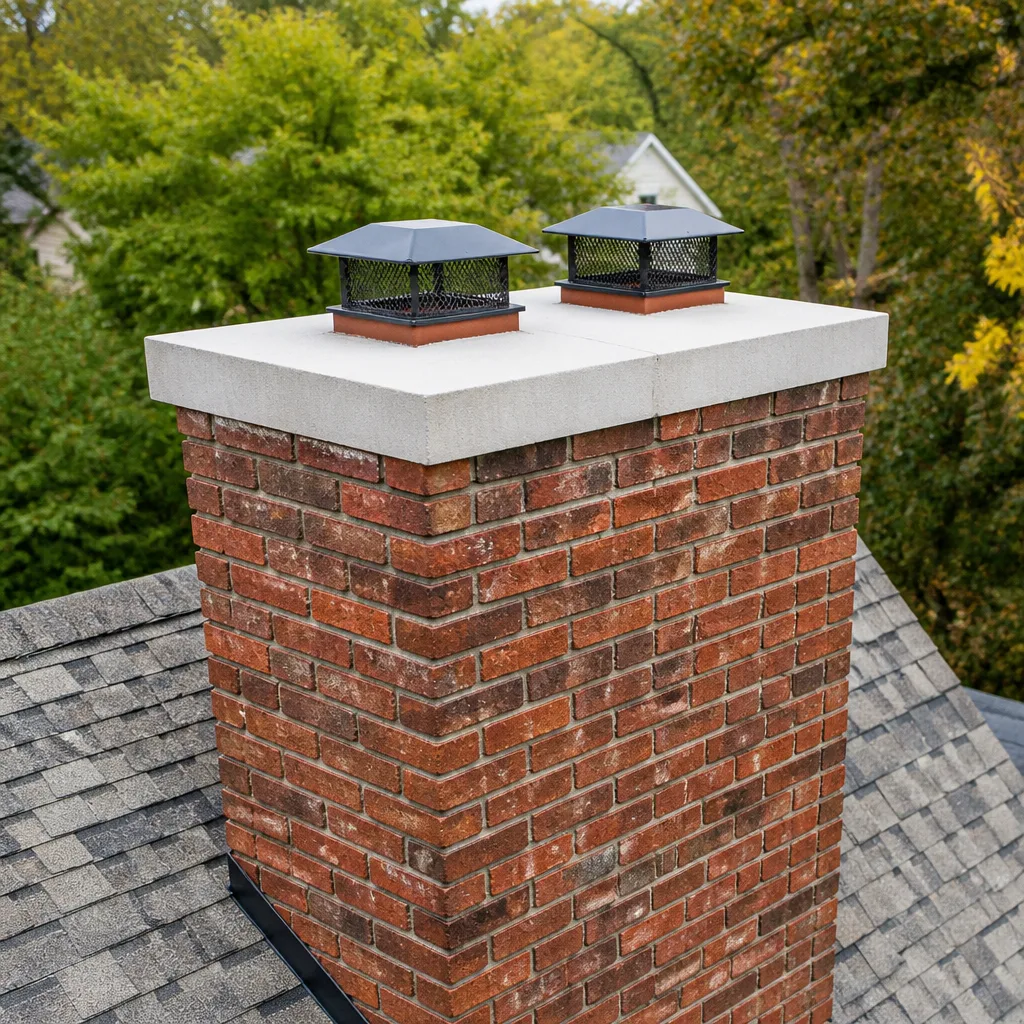 Caps & crowns
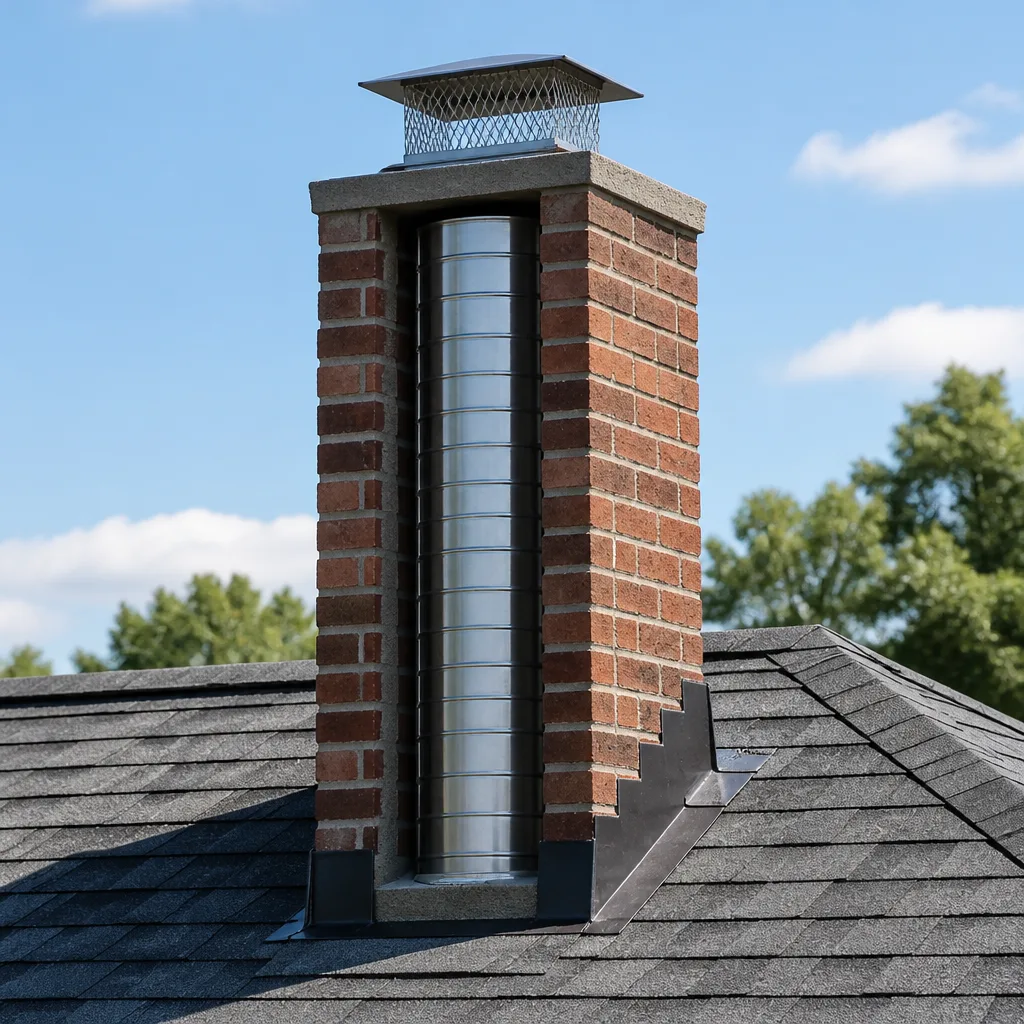 Flue relining
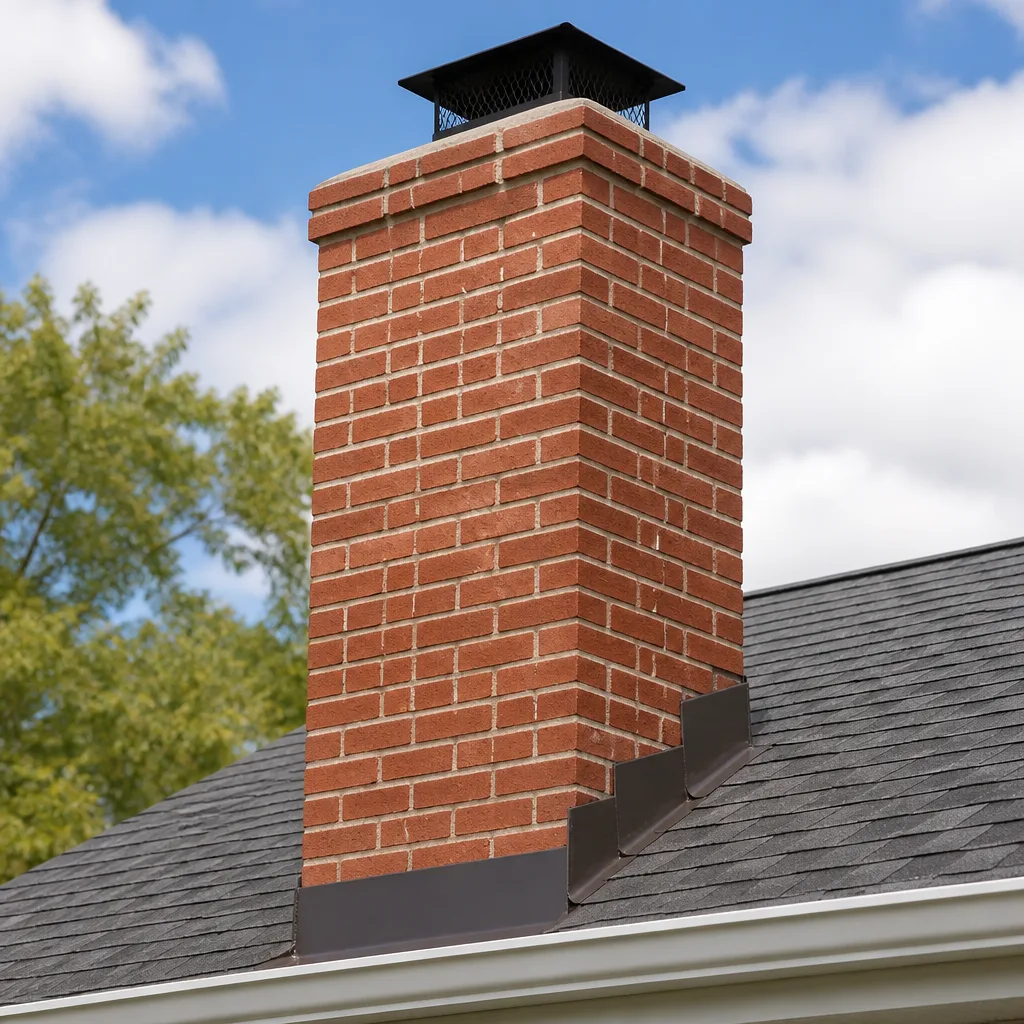 Masonry repair
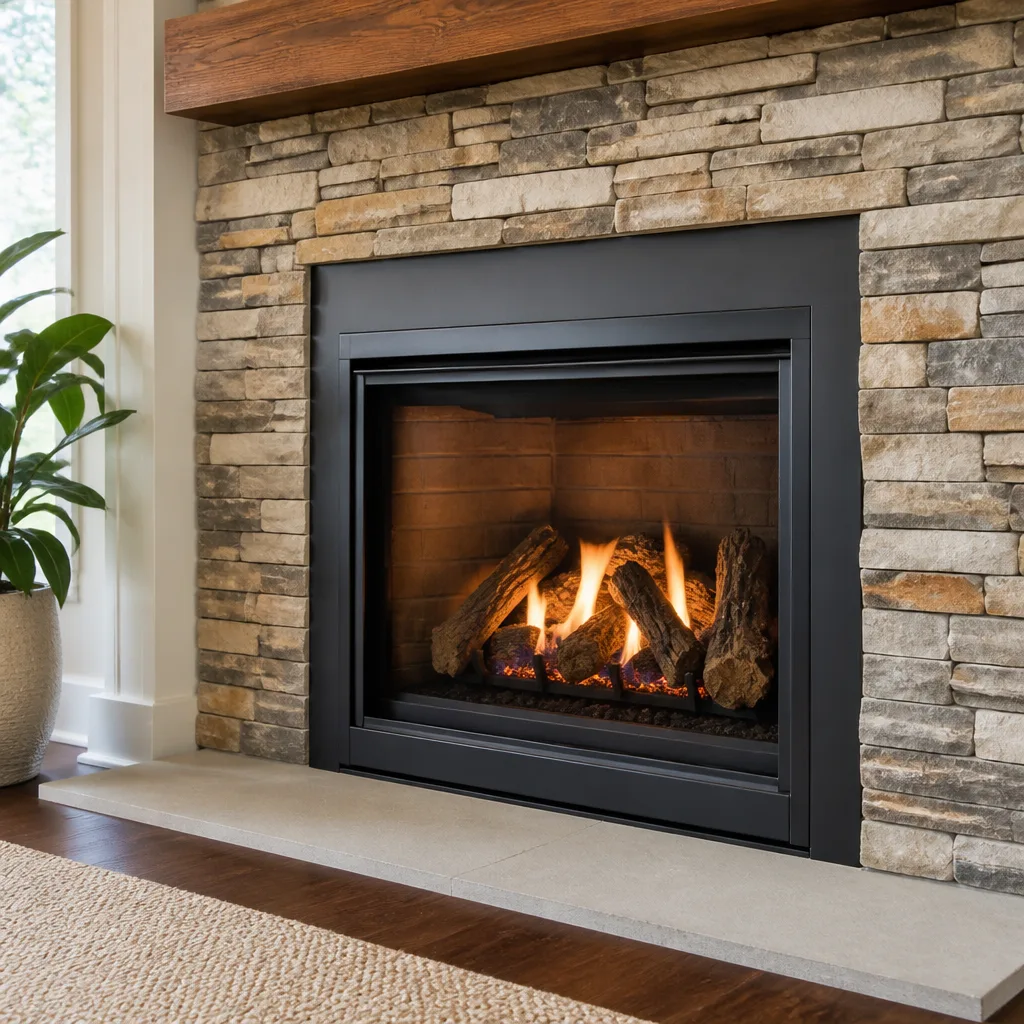 Gas fireplace service
Level 1 sweep and inspection to the NFPA 211 annual standard - flue, crown, cap, and flashing checked and photographed
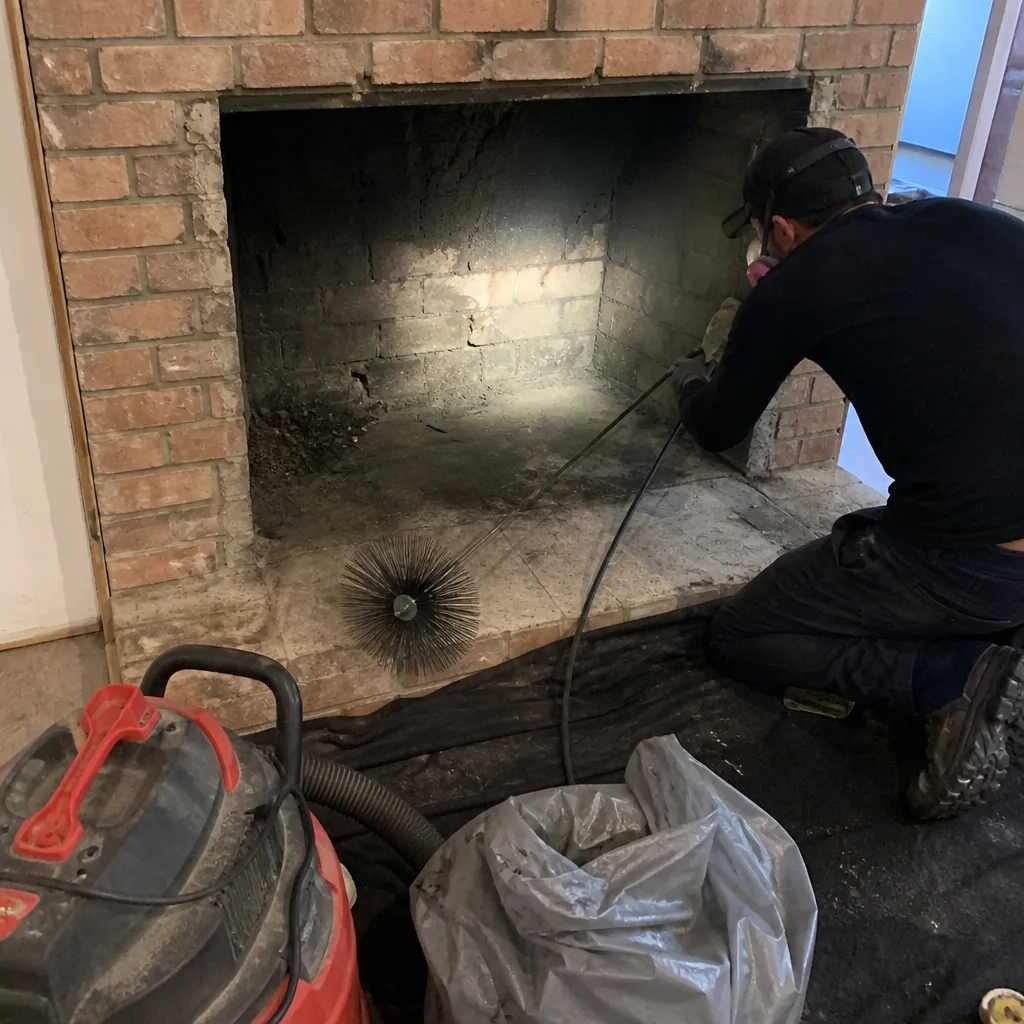
Chimney sweep logs do not sweep chimneys. They loosen some creosote - which then falls where a brush and vacuum still have to collect it.
Choosing the Right Chimney Cleaning Brand: A Buyer’s Guide for Spring Hill
Most homeowners never ask what brand of liner goes into their chimney, and most contractors are happy to keep it that way. The products behind a sweep or a repair decide how long the work lasts, and in Florida’s sun and humidity, a hardware-store substitute for a professional-grade part can fail within two to three years. That’s the gap this guide closes. We’ll name the products the trade actually trusts, explain what to look for on a materials invoice, and show you how to tell a real specification from a sales pitch. If you live in Spring Hill and you’re about to hire someone, read this first.
Quick Answer
The right chimney brand depends on the part being installed, not the company’s marketing. For relining, professional-grade flexible stainless systems like DuraFlex are engineered for the application, while big-box flex pipe is thinner and often under-warranted. For flue restoration, HeatShield is purpose-built to resurface a deteriorated liner. Caps and venting should come from established supply networks such as Olympia Chimney or Copperfield. Ask any Spring Hill contractor to name the products in writing before work starts.
Styles & brands we work with
- Sweep & inspection
- Caps & crowns
- Flue relining
- Masonry repair
- Gas fireplace service
Table of Contents
- Why Chimney Brands Matter More Than Most Homeowners Realize
- Liner System Brands: What the Industry Trusts vs. Big-Box Pipe
- Crown Coatings and Sealants Built for Florida Conditions
- Chimney Cap Materials and How Humidity Affects Each One
- How to Read a Contractor’s Materials Invoice
- Creosote Removal Products: Professional-Grade vs. Consumer Spray
- 12 Questions to Ask Before You Book a Sweep
- Common Mistakes to Avoid
Why Chimney Brands Matter More Than Most Homeowners Realize
A chimney is a venting system, not a hole in the roof. Every component in it, from the flue liner to the cap to the crown sealant, has a job to do under heat, moisture, and in Florida, relentless sun. When one part is chosen on price alone, the system stops working the way it was designed. In our experience, that shows up quietly at first: a small crack in the crown, a liner that starts to pull away, a cap that rusts through and lets water in.
Here in Spring Hill, the conditions that test these products are specific. Summers bring months of high humidity and UV exposure, and our rainy season pushes water against every seam and flashing on the roof. Products made for a cold-climate market don’t always hold up. A sealant that’s fine in a dry climate can crack, chalk, or peel when the afternoon sun hits it week after week. That’s why the brand and the spec matter, not just the technique.
Three things determine how long chimney work lasts:
- Material grade: professional-grade stainless and purpose-built compounds are made for the heat and moisture a flue sees, while consumer products are built to a lower price point.
- Fit for the application: a liner system engineered for a given flue type performs differently than generic flex pipe cut to fit.
- Installation method: the best product fails if it’s installed wrong, and the right brand on the invoice tells you it was at least selected for the job.
We specify DuraFlex liner systems, HeatShield resurfacing compound, and components from Olympia Chimney and Copperfield, because those are established products the trade relies on. That isn’t a slogan. It’s the reason we can tell you exactly what’s in your flue and why. When you book a chimney sweep, you should get that level of specificity.
Liner System Brands: What the Industry Trusts vs. Big-Box Pipe
The liner is the single most important part of a wood-burning or gas venting system. It carries smoke and gases out of the house and protects the surrounding masonry from heat and creosote. When it’s damaged, the risks are real: carbon monoxide can enter the home, and heat can reach combustible framing. The liner brand and the way it’s specified decide how well that protection holds up.
Professional-grade flexible liner systems, like DuraFlex, are engineered as complete systems with tested components, proper wall thickness, and a warranty written for the application. Big-box flexible pipe is often a thinner gauge, sold by the foot with no system around it, and it may carry a limited warranty that assumes conditions it won’t see. If a quote includes “flex liner” but not a brand or a spec, you don’t know which one you’re getting.
Here’s how to tell the difference in practical terms:
- Ask for the brand and system name. A professional should name it without hesitating, the way we name DuraFlex.
- Ask about wall thickness and material grade. Professional systems specify these; generic pipe usually doesn’t.
- Ask what the warranty covers and for how long. A system warranty is different from a piece-of-pipe warranty.
- Ask how the liner is connected at the top and bottom. A complete system includes proper terminations and a cap, often sourced from a network like Olympia Chimney.
Relining is not a place for guesswork. If a sweep reveals a cracked or deteriorated liner, we can move straight into a proper reline using a named system, without sending you off to find another contractor. That continuity is why homeowners in Spring Hill call us back. Our technicians have up to 13 years of experience with these systems, and they’ll show you what the camera found before anything is recommended. You can find the full scope of what we do on our Chimney Sweep Spring Hill page.
Crown Coatings and Sealants Built for Florida Conditions
The crown is the concrete cap at the top of a masonry chimney, and its job is to shed water away from the flue. A hairline crack in the crown lets water in, and once water is inside the chimney, it finds the seams, freezes nothing but rots plenty, and starts to break down mortar. The product used to seal or rebuild a crown matters as much as the masonry itself, and in Spring Hill’s heat and humidity, not every sealant holds.
Professional crown coatings are described as elastomeric, which means the cured product stretches and flexes with the masonry instead of cracking when the chimney expands in the sun and cools at night. Thermal cycling is constant here. A rigid, paint-like sealant can’t move with the crown, so it cracks and lets water back in. An elastomeric coating maintains a continuous membrane over those small movements.
What to look for in a crown or sealant product:
- Elastomeric performance: the product should be described as flexible when cured, not rigid.
- UV resistance: in Florida sun, a coating has to resist chalking and breaking down under constant exposure.
- Breathability: a masonry-safe coating lets moisture vapor escape instead of trapping it inside the chimney.
- A named brand with a spec sheet: purpose-built products from established suppliers, rather than an unlabeled pail of patch.
For flue restoration specifically, HeatShield is a product designed to resurface a deteriorated liner rather than patch it. We use it because it’s a targeted repair solution, not a generic coating. Gelco products show up in our work for crown and cap sealing, and they’re chosen for the same reason: they’re made for the job. Repairing the crown correctly is part of keeping a venting system whole, and it’s one more reason Spring Hill homeowners get cleaning and repair from the same local chimney team rather than piecing it together.
Chimney Cap Materials and How Humidity Affects Each One
A chimney cap does two jobs: it keeps rain and animals out, and it lets exhaust escape. The material it’s made from decides how long it lasts in Florida’s humid air. There are three common options, and they age very differently.
- Galvanized steel: the least expensive option. A zinc coating slows rust, but in a humid climate the coating breaks down and the cap begins to corrode. Service life is the shortest of the three.
- Stainless steel: resists rust far better than galvanized and holds up to the moisture and heat a flue produces. This is what most professional-grade caps are made of, and it’s what we lean toward for durability.
- Copper: the longest-lived option and the most expensive. Copper develops a patina over time and isn’t affected by humidity the way steel is, but the initial cost is higher.
Beyond the material, fit matters. A cap that’s loose or the wrong size lets water in around the edges, which defeats the purpose. A properly sized, securely mounted cap from an established supply network like Famco or Olympia Chimney will do its job for years. An improvised piece of hardware, made from whatever’s on the shelf, often doesn’t.
If you’re not sure what’s on top of your chimney right now, a sweep is the easiest way to find out. During the visit, the technician can inspect the cap, report its condition with photos, and tell you whether it needs replacing or just reseating. We include a camera inspection and photo report with our work, so you can see the cap yourself instead of taking our word for it. That’s the standard we hold to across Spring Hill.
How to Read a Contractor’s Materials Invoice
An invoice is the one document that tells you what actually went into your chimney, not what was quoted. A vague invoice that lists “liner” or “sealant” without brands or part details gives you no way to verify you got professional-grade products. A good invoice names the product and the system. Here’s how to read one.
- Look for named systems. A line that reads “DuraFlex flexible liner system” tells you the brand. A line that reads “flex pipe” tells you nothing.
- Check quantities against the quote. If the quote called for a full reline, the invoice should show the length and components, not a single lump sum.
- Look for the cap and termination parts. A complete job lists them. If they’re missing, ask what went on top.
- Check the sealant or coating listed by name. HeatShield, Gelco, or a named crown coating tells you what was used. “Sealed crown” doesn’t.
- Match the invoice to the photo report. Photos of the work, before and after, should line up with what the invoice says was done.
When we hand over an invoice, every material is named, and the price you pay matches the written estimate we agreed to before the work started. That flat-price approach is part of why we can look a homeowner in the eye and say exactly what was installed. If you’ve been handed an invoice in the past that didn’t add up, you’re not alone, and it’s the reason we include the details even when a customer doesn’t ask.
Creosote Removal Products: Professional-Grade vs. Consumer Spray
Creosote is the tar-like residue that builds up in a flue as wood burns. In its early stages it’s soft and brushes away easily. As it builds up and gets hot, it can become hard, glazed, and combustible. Creosote removal products are sold to both homeowners and professionals, and the difference between a professional formulation and a consumer-grade spray is significant.
Professional formulations are designed to work on harder deposits, are applied to meet a specific purpose, and are handled by technicians who know when a chemical treatment is enough and when a flue needs mechanical cleaning. Consumer sprays are often weaker and rely on the homeowner to judge how much to use and whether it’s working. That judgment call matters, because a chemical that isn’t strong enough leaves the deposit in place, and one applied wrong can be ineffective or worse.
What to look for when a product is part of the job:
- A named professional formulation rather than an unlabeled bottle or a generic spray.
- Use matched to the deposit, since different creosote stages call for different treatment.
- A crew that checks the result and doesn’t just apply and leave.
In our view, the sweep itself is the honest measure of creosote. We use the camera to see what’s really there and decide what’s needed. If a flue can safely wait, we’ll tell you, and you won’t be talked into a treatment you don’t need. Call (855) 360-8361 for an exact quote. Estimates are free, and we’ll show you what we find before recommending anything.
12 Questions to Ask Before You Book a Sweep
These are the questions that separate a contractor who knows the trade from one who’s buying on price. Ask them before you book, and pay attention to whether the answers are specific.
- What liner system do you install, and what’s it made of? Look for a named professional system, not “flex pipe.”
- What do you use for crown repair? A named product and an elastomeric description are good signs.
- Where do you source caps and venting parts? Established networks like Olympia Chimney or Copperfield are a sign of intention.
- Do you include a camera inspection? A photo report you can see is the real answer, not a verbal all-clear.
- Do you offer repair, or only cleaning? A company that does both doesn’t leave you hunting for a second contractor.
- Will you put the scope and price in writing before the work? A flat-price written estimate protects you.
- What are your technician experience levels? Ours have up to 13 years of experience.
- How do you handle dryer vent cleaning? It should be offered, since it’s a leading household fire hazard many chimney-only companies skip.
- What happens if you find a cracked liner? The answer should include a plan and a product, not a referral.
- Do you show photos before and after? It’s a simple way to verify the work.
- What’s the warranty on the parts and the work? Professional products carry warranties that generic parts often don’t.
- Will the invoice name every product used? It should, so you can verify the grade.
We answer all of these without flinching, and we’d rather you ask than wonder. Our technicians have up to 13 years of experience, and we keep our answers as specific as our materials. Dial (855) 360-8361 when you’re ready.
Common Mistakes to Avoid
- Hiring on price alone. The cheapest quote often means the cheapest materials, and in Spring Hill’s heat and humidity those parts can fail within two to three years. The savings get spent again on a redo.
- Accepting a verbal all-clear. If no one shows you the camera footage or photos, you have no way to know what’s actually in your flue. Ask for the report.
- Letting a general handyman touch the venting system. A chimney is a system, and treating it as an afterthought leads to mismatched parts and missed problems.
- Buying a crown product off the shelf. Hardware-store sealants aren’t rated for the UV and thermal cycling a Florida roof sees. Purpose-built elastomeric products last longer.
- Skipping the dryer vent. It’s a leading cause of house fires, and many chimney-only companies don’t offer it. Add it to the list when you book.
- Ignoring a cracked or damaged cap. A cap that lets water in causes damage that spreads. Fixing it early is far less expensive than the water damage later.
- Not reading the invoice. If the products aren’t named, you can’t verify you got professional-grade work. Ask for the details before you pay.
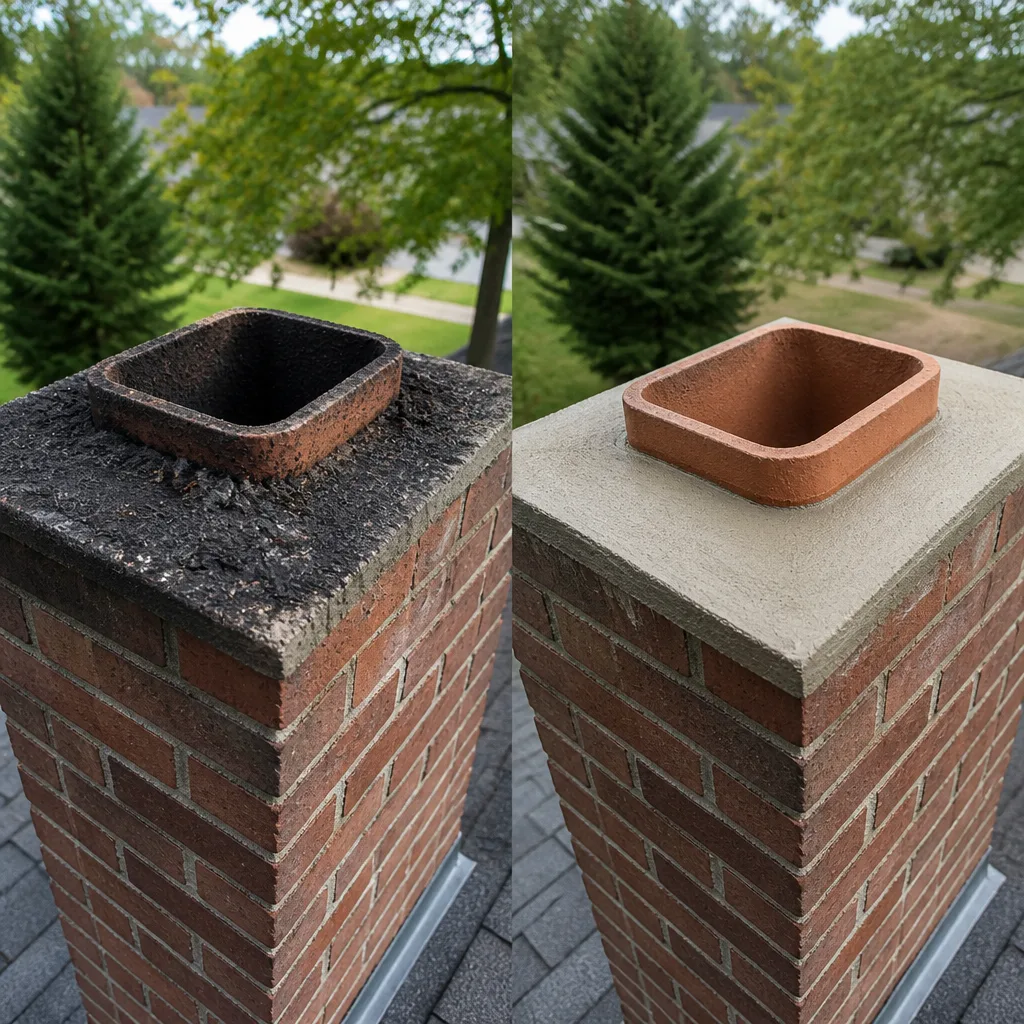
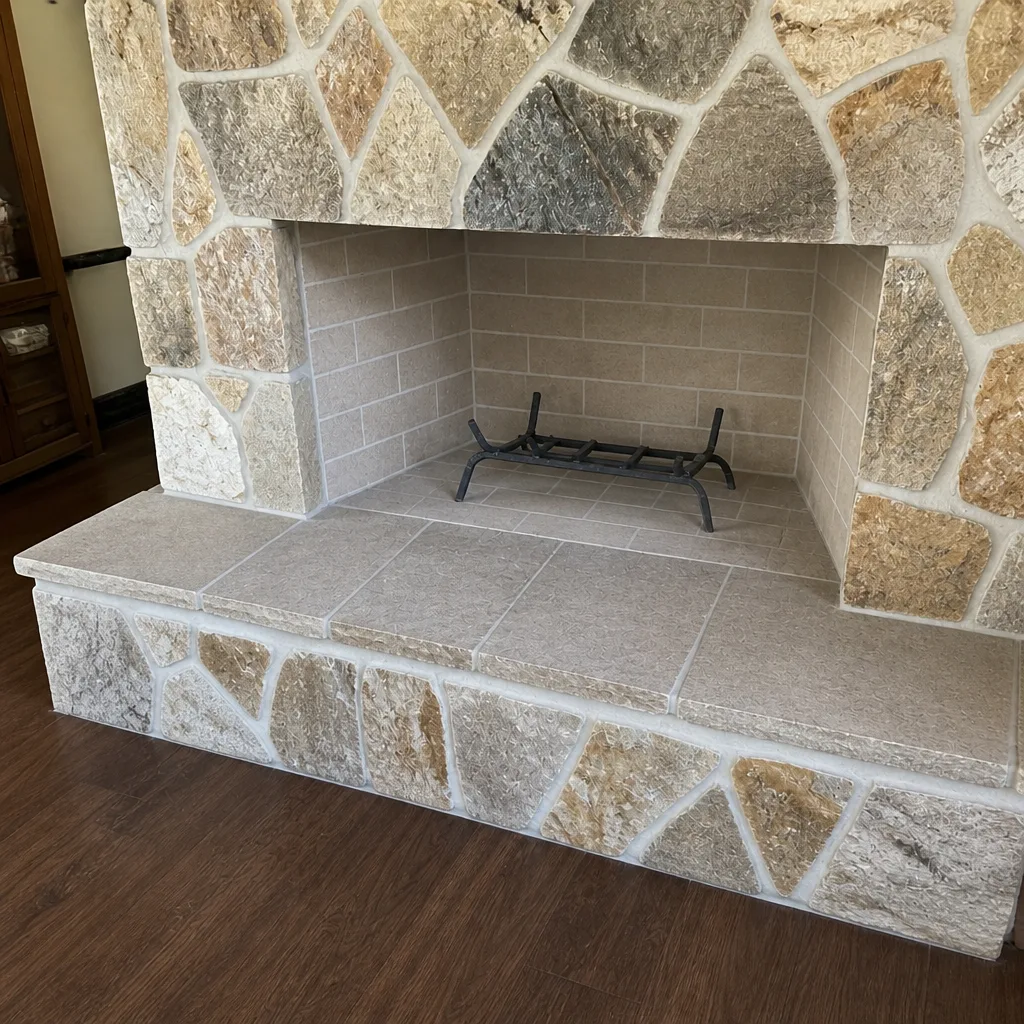
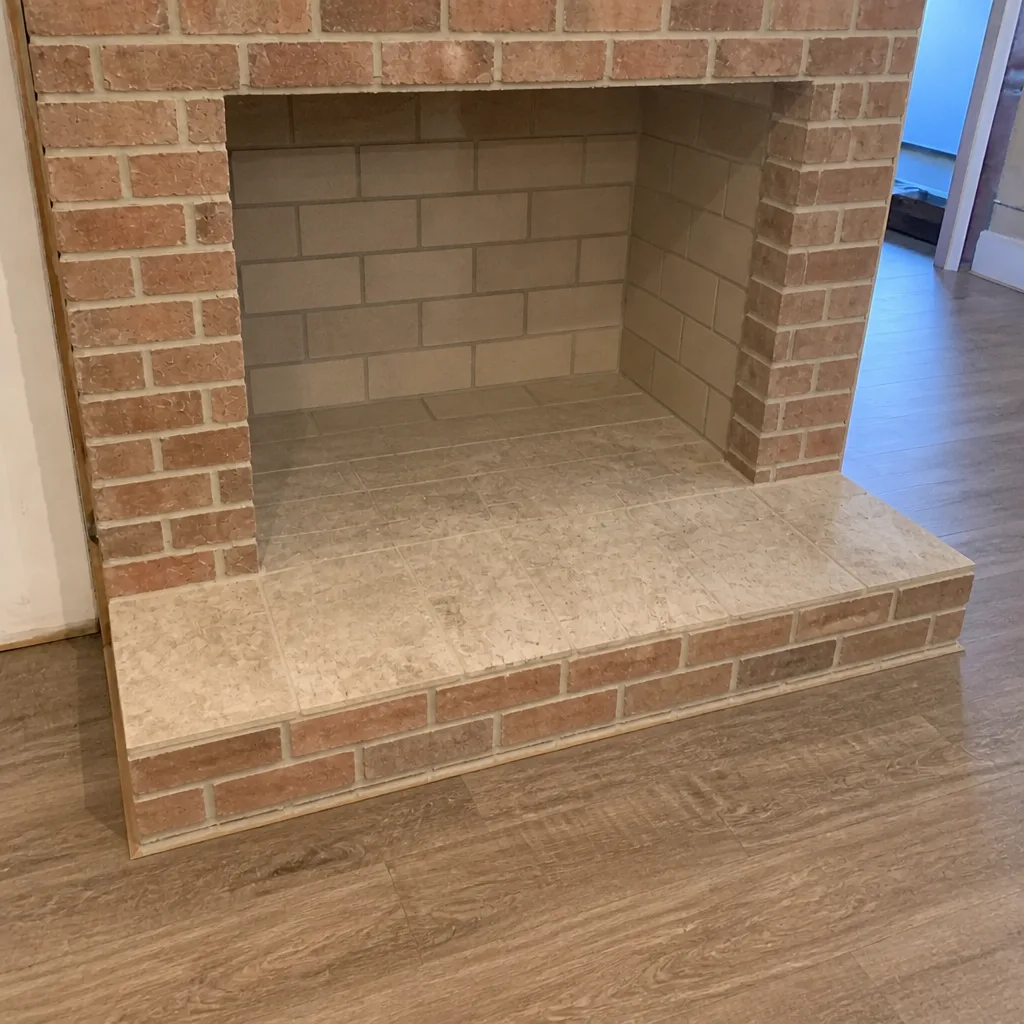
See the difference
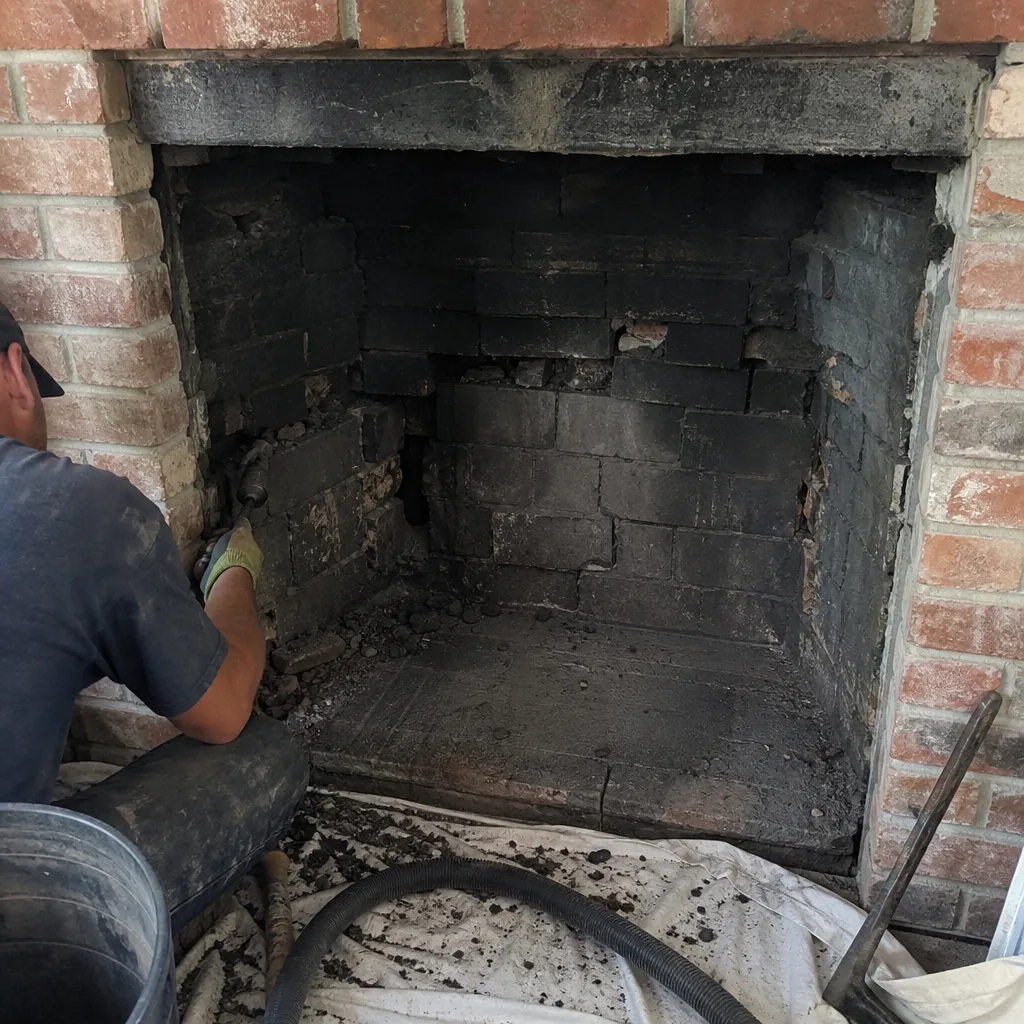 Before
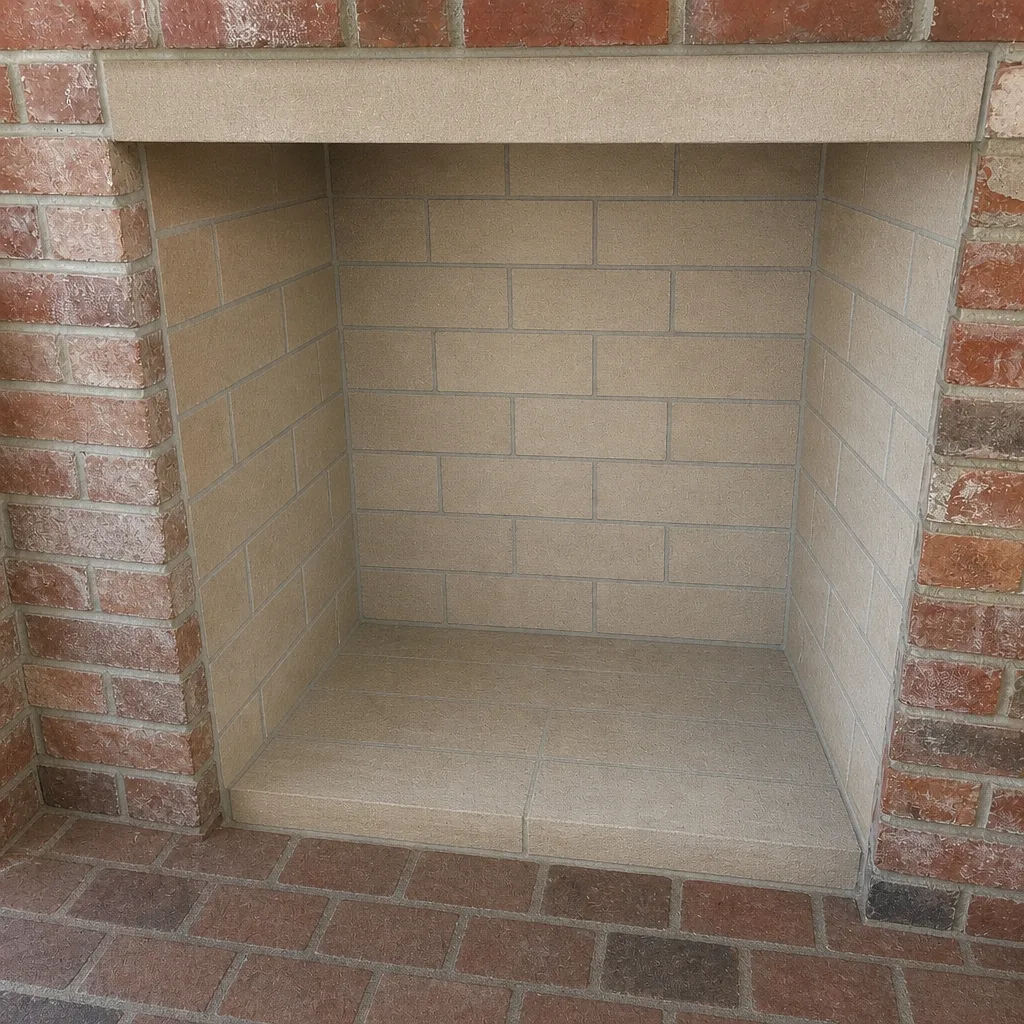 After
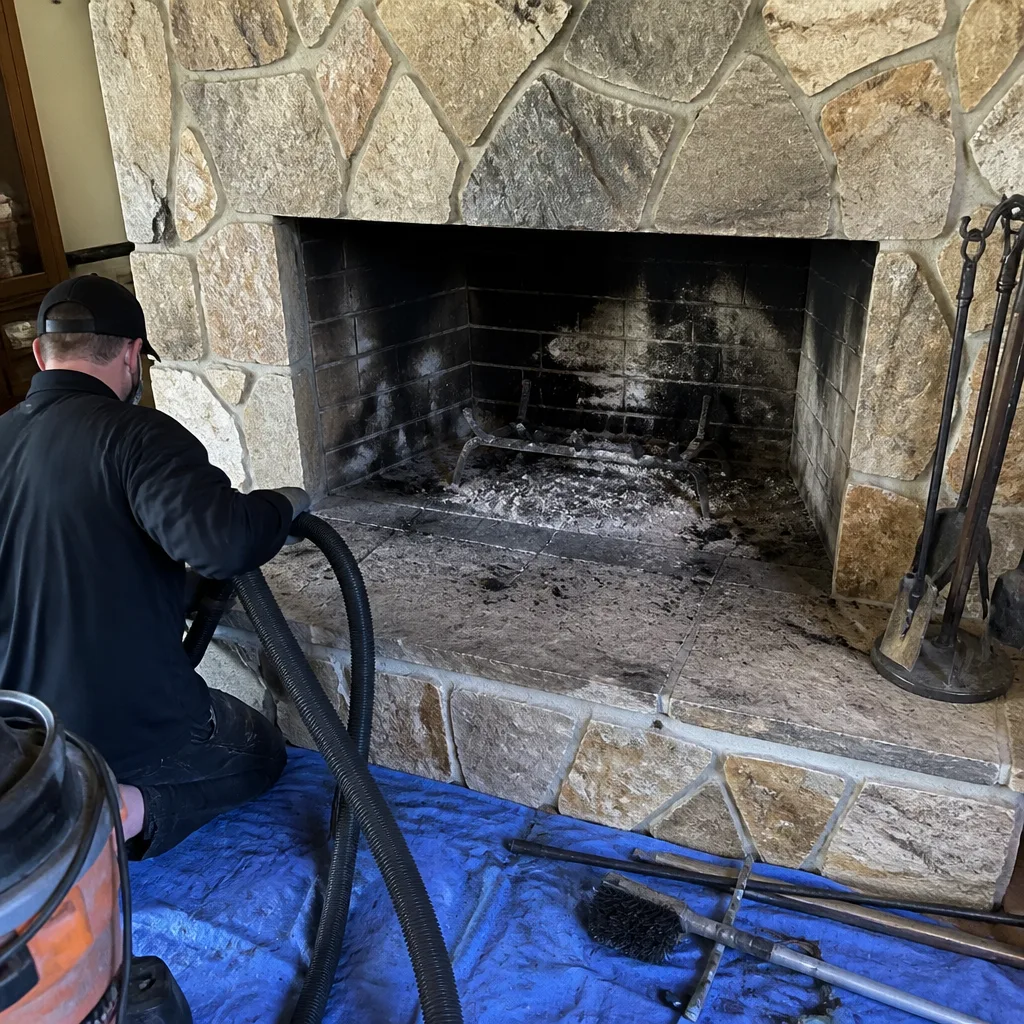 Before
 After
 Before
 After
When to Call a Professional
Call a professional when you can’t see what’s inside your flue, when your last sweep was more than a season ago, when smoke backs into the room, when you notice a damper that won’t close, or when you spot damage to the cap or crown from the ground. Those are signs that a trained technician should look with a camera. Chimney Sweep Spring Hill offers free estimates in Spring Hill. Call (855) 360-8361. We answer 24/7, and fast dispatch from 7am to 7pm, Sunday through Friday. Our technicians have up to 13 years of experience, and we’ll show you what we find before recommending any work. You can also book dryer vent cleaning at the same time if you haven’t had it done recently.
Frequently Asked Questions
Look for named professional products: DuraFlex for flexible liner systems, HeatShield for flue resurfacing, and components from Olympia Chimney or Copperfield for caps and venting. Gelco and Famco are also products we source for crown and cap work. A contractor who can name the brand and explain why it fits your flue is selecting for the application, not buying on price. Call (855) 360-8361 for an exact quote. Estimates are free.
Pricing is set per job by the written estimate, so the exact number depends on your flue, its condition, and what the sweep reveals. We agree the flat price in writing before we start, so you’re never surprised by the final bill. The written estimate sets the final price. Call (855) 360-8361 for an exact quote. Estimates are free.
Only if the inspection shows the liner is cracked, deteriorated, or failing, and you’ll see the camera evidence before anyone recommends it. HeatShield resurfacing is sometimes enough to restore a liner; other times a full DuraFlex reline is the right call. Nothing gets recommended without photos you can review yourself, and if the liner can safely wait, we’ll tell you. Call (855) 360-8361 for an exact quote. Estimates are free.
Once a year is the usual guide for a wood-burning fireplace in regular use, and more often if you burn heavily. Spring Hill’s humidity and the creosote that builds with each fire make an annual look worthwhile, especially before the burning season begins. If you can’t remember the last one, that’s the sign to book. Call (855) 360-8361 for an exact quote. Estimates are free.
Creosote keeps building, and in a chimney that goes too long it can glaze into a combustible layer that raises the risk of a chimney fire. A damaged liner or cap can also let moisture and gases into places they shouldn’t go, which is a carbon monoxide concern. None of this is meant to scare you; it’s a reason to have a trained eye take a look. Call (855) 360-8361 for an exact quote. Estimates are free.
Yes. Dryer vent cleaning is one of our core services, not an add-on, and it addresses a leading household fire hazard that many chimney-only companies ignore. It’s often booked alongside a sweep, so the whole venting picture gets checked in one visit. Spring Hill homeowners can combine both. Call (855) 360-8361 for an exact quote. Estimates are free.
The Bottom Line
The brand on the invoice is the brand in your chimney, and in Spring Hill’s heat and humidity that difference shows up fast. Specify professional-grade products by name: DuraFlex for relining, HeatShield for flue resurfacing, and established networks like Olympia Chimney and Copperfield for caps and venting. Insist on a camera inspection and a photo report you can see. Get the flat price in writing. Then let a trained technician handle the work with products chosen for the job, not the shelf. If you’re ready to see what’s in your flue, we’re ready to show you. For trusted work in Spring Hill, call Chimney Sweep Spring Hill at (855) 360-8361. We answer 24/7, with fast dispatch from 7am to 7pm, Sunday through Friday. Estimates are free.
Written by the team at Chimney Sweep Spring Hill.