
Last updated November 14, 2026
 Sweep & inspection
 Caps & crowns
 Flue relining
 Masonry repair
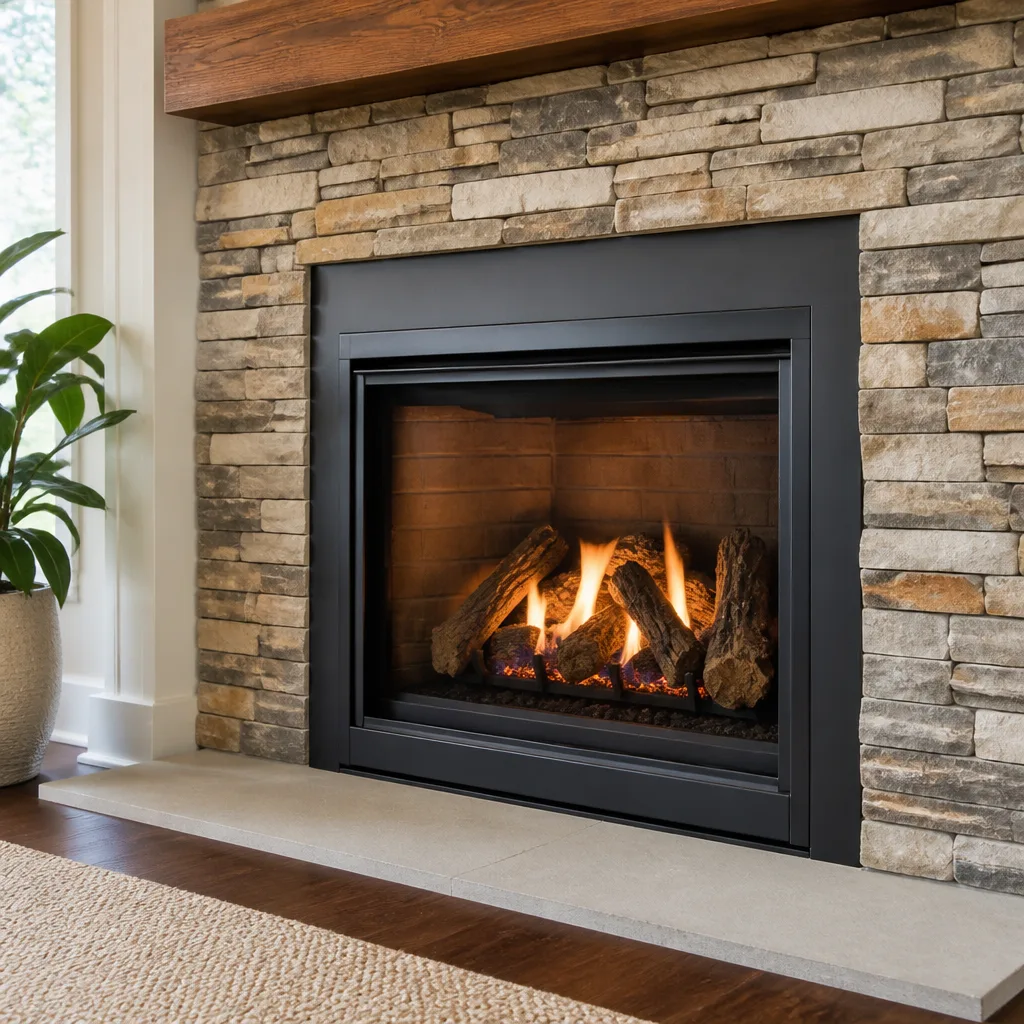 Gas fireplace service
Level 1 sweep and inspection to the NFPA 211 annual standard - flue, crown, cap, and flashing checked and photographed
Chimney sweep logs do not sweep chimneys. They loosen some creosote - which then falls where a brush and vacuum still have to collect it.
How to Hire a Chimney Cleaning Contractor in Spring Hill: A Step-by-Step Guide
CSIA certification is the floor, not the ceiling. Some certified sweeps still install off-brand liner systems or skip camera inspections on older flues because they don’t own the equipment. That gap between holding a certificate and doing the work properly is where hiring decisions go wrong. In Spring Hill, where a lot of housing went up in the 1980s and 1990s and many flues are now past their original service life, the difference matters more than it used to. This guide gives you the specific, verifiable questions to ask before you book, the red flags to walk away from, and the documents to keep when the job is done.
Styles & brands we work with
- Sweep & inspection
- Caps & crowns
- Flue relining
- Masonry repair
- Gas fireplace service
Quick Answer
To hire a chimney cleaning contractor in Spring Hill, verify three things first: CSIA certification, current liability insurance, and whether the contractor owns the equipment to actually inspect your flue (a camera, not just a brush). Then ask what brand of liner and resurfacing product they specify. A contractor who can name and explain their materials is a technician; one who can’t is a generalist with a brush.
Table of Contents
- Why Hiring a Chimney Sweep in Spring Hill Is Harder Than It Looks
- Step 1: Verify the Credentials That Actually Matter
- Step 2: Ask About Equipment Before You Book
- Step 3: Test Their Material Knowledge
- Step 4: Read the Quote Like a Technician
- Step 5: Spot the Red Flags in the Sales Pitch
- Step 6: Get the Right Paperwork When the Job Ends
- Common Mistakes to Avoid
- When to Call a Professional
- Frequently Asked Questions
- The Bottom Line
Why Hiring a Chimney Sweep in Spring Hill Is Harder Than It Looks
Chimney work has low barriers to entry. A brush, a shop vacuum, and a magnetic sign on a pickup and someone is in business. That’s not a knock on every independent operator, but it does mean you can’t assume the person on your roof knows what a flue liner is supposed to look like from the inside, or that they have the equipment to find out.
Spring Hill adds a wrinkle. A large share of the housing stock here is wood-burning fireplace construction from the 1980s and 1990s, with masonry chimneys that have now had two or three decades of use. Liners crack. Crowns spall. Flue tiles separate at the joints. None of that is visible from the hearth, and none of it shows up in a brush-and-go sweep. So the vetting question isn’t only “will they clean it?” It’s “will they see what’s actually there?”
We’ve seen the pattern repeatedly in our work around Spring Hill: homeowners who paid for a sweep, got a nod and a receipt, and only learned about a cracked liner years later when a chimney professional with a camera finally looked. The cost of that gap isn’t the second inspection. It’s the years of use on a compromised flue.
The good news is that vetting a chimney contractor is a repeatable process. You ask the same set of questions, you read the answers against a short checklist, and you decide. The rest of this guide walks through each step.
Step 1: Verify the Credentials That Actually Matter
Three credentials are worth checking. Two are mandatory, one depends on the scope of work you’re having done. Ask for them before you book, not after the technician is on the roof.
CSIA certification
The Chimney Safety Institute of America certifies chimney sweeps through an exam and a code of ethics. It’s the baseline credential in this trade, and it’s verifiable – the CSIA maintains a searchable directory of certified professionals. Ask for the certification and look it up yourself. A sweep who can’t or won’t point you to a verifiable certification is a sweep you don’t hire.
Liability insurance
Chimney work happens on your roof and inside your flue. If something goes wrong, a dropped tool, a cracked crown, a damaged cap, the contractor’s liability insurance is what covers it, not your homeowner’s policy. Ask for a certificate of insurance and confirm the policy is current. A contractor who hesitates on this question is telling you something.
On minimums: there’s no single statewide number we can hand you, and we won’t invent one. What we can say is that a real chimney contractor carries general liability coverage sized to the work, and asking to see the certificate is a normal, reasonable request. Any contractor who treats it as an insult is a contractor to skip.
Florida contractor licensing as it applies to chimney work
Chimney sweeping itself is not a licensed trade in the same way electrical or plumbing is. Chimney repair that involves structural masonry, caps, crowns, or liner installation can fall under contractor licensing depending on scope. The right question isn’t “are you licensed?” in the abstract; it’s “what licensing applies to the repair work you’re proposing, and can I see it?” If the answer is vague, that’s the answer. This is also why many homeowners prefer a company that can handle both the sweep and the repair in one scope rather than hiring a sweep and then hunting for a mason.
Step 2: Ask About Equipment Before You Book
A chimney sweep without a camera is working blind on any flue older than about 15 years. The brush tells them the flue is clear. The camera tells them the flue is intact. Those are different things, and only one of them protects your house.
The equipment questions to ask on the phone:
- Do you use a video camera for the flue inspection? A yes is good. A “we inspect visually from the top” is not.
- Will I see the footage or photos? If the camera output isn’t shared with you, the camera is doing half its job.
- What happens if the camera finds a problem? You want to hear that the finding gets documented with photos and explained to you in plain terms, not that the technician immediately pivots to a sales pitch.
- How do you handle creosote above the brushable stage? Heavy, glazed creosote isn’t removed by a standard sweep. Ask what they do about it. A specific answer is a good sign; a blank one is not.
In our experience, this is the single most revealing question set. A sweep who owns a flue camera and routinely shares the footage is invested in the diagnostic side of the trade. A sweep who doesn’t own one has no way to find a cracked liner unless it’s visible from the top, and on an older masonry chimney in Spring Hill, that’s a coin flip.
If you want a service that pairs cleaning with an actual inspection of what’s inside the flue, that’s what a chimney sweep should include. Ask for it explicitly.
Step 3: Test Their Material Knowledge
Here’s a question that sorts contractors fast: “What liner system do you install, and why that one?” The answer separates technicians from generalists in about 30 seconds.
In the chimney trade, liner systems are engineered products. Flexible stainless systems like DuraFlex are designed for relining applications where a rigid liner won’t fit or where the flue has offsets. Resurfacing compounds like HeatShield are formulated specifically for restoring deteriorated flue liners, not for generic patching. Cast-in-place and rigid systems each have their place. A contractor who can tell you which system applies to your flue, and why, has done this before. A contractor who says “we use what’s on the truck” has not thought about it.
The other materials question worth asking: “Where do you source chimney caps and venting components?” Established supply networks like Olympia Chimney and Copperfield exist because the components on a chimney need to fit together as a system. A cap that’s the wrong size or a vent connector that’s the wrong alloy isn’t a cosmetic problem; it’s how water gets in and how venting goes wrong.
What to listen for:
- A brand name plus a reason. “We specify DuraFlex for relines because it’s engineered for flexible applications” beats “we use high-quality materials” every time.
- A distinction between products. Resurfacing and relining are different repairs for different conditions. A contractor who blurs them doesn’t know the trade.
- Honesty about the limit. “We’ll know which repair applies once we see the camera footage” is a better answer than a confident diagnosis over the phone.
You don’t need to become an expert in liner brands to hire well. You just need to hear the contractor demonstrate that they are one. The brand names in this step are the vocabulary of the trade. If they sound foreign to the person quoting you, that’s your answer.
Step 4: Read the Quote Like a Technician
Chimney pricing in Spring Hill typically falls into a few bands depending on the job. We’re giving you rough ranges below so you can sanity-check a quote, not so you can price-shop to the dollar. Every job gets its price from a written estimate, and the written estimate is what sets the final number.
| Service | Typical estimated range |
|---|---|
| Standard chimney sweep (single flue, brushable creosote) | $180 to $340 |
| Sweep plus camera inspection | $250 to $450 |
| Dryer vent cleaning | $120 to $250 |
| Crown repair or cap replacement | $300 to $800, depending on access and materials |
| Flue resurfacing (e.g., HeatShield) | $1,200 to $3,500, depending on flue length and condition |
| Full liner installation (flexible stainless) | $2,500 to $6,000, depending on flue height and system |
These ranges are for orientation. A quote significantly below the low end on a liner install is a quote worth scrutinizing, because the material cost sets a floor. A quote well above the high end isn’t automatically wrong, but it should come with a written justification and camera evidence.
What a good quote includes:
- A line-item breakdown, not a single lump sum.
- The scope of work stated in plain language: sweep, inspect, repair, which flue.
- The specific products being installed, named (a liner system, a resurfacing compound, a cap).
- A written estimate you get before any work starts.
- Clear language on what happens if the camera finds something the quote didn’t anticipate.
What a bad quote includes: “chimney service, $X.” Vague line items are how a small job becomes a large one. If you can’t tell from the quote what’s being done and with what materials, don’t sign it.
One more point that applies across the trade: chimney work is priced per job, and the price is set by the written estimate. If a contractor can’t tell you clearly what’s included, that’s the red flag, not the number.
Step 5: Spot the Red Flags in the Sales Pitch
The most expensive mistake in chimney hiring isn’t overpaying for a sweep. It’s approving a large repair you can’t verify. The pressure tactics in this trade follow a recognizable pattern.
- Additional work approved on the first visit without documentation. If the technician says you need a new liner and can’t show you the camera footage that justifies it, don’t approve. You should see what they saw.
- No written inspection report. A sweep that doesn’t leave you a document describing what was found is a sweep you can’t hold accountable and can’t reference for insurance or resale.
- Vague line items. “Chimney repair, $3,000” is not a quote. It’s a number.
- Fear-based urgency. A compromised flue is a serious concern, and it deserves a clear explanation, not a sales close. A real chimney technician explains the condition and the options, including the option to wait when the work can safely wait.
- Unfamiliar or unbranded materials. If the contractor can’t name the liner or resurfacing product they’re proposing, they’re likely working with whatever’s cheapest, not what’s engineered for the application.
- Reluctance on insurance. A contractor who won’t produce a certificate of insurance is one who has something to hide.
If you were burned before by a vague estimate or a missed problem, you’re not paranoid. You’re reading the market correctly. Spring Hill has more chimney service providers than the housing stock needs, and the quality spread is wide.
Step 6: Get the Right Paperwork When the Job Ends
The job isn’t done when the technician drives off. It’s done when you have a record of what was done, what was found, and what condition your chimney is in. That record has two uses: it documents the work for your homeowner’s insurance, and it protects you at resale.
What the completion document should include:
- Date and scope of service. What was cleaned, what was inspected, what was repaired.
- Inspection findings. Flue condition, creosote level, cap and crown condition, any noted issues with photos where applicable.
- Products used. If a repair was performed, which products and which brands.
- Recommendations. What was flagged as needing future attention, and what was flagged as safe to leave alone.
- A statement of limitations. Reputable contractors document what the inspection covered and what it didn’t. That’s a professional’s habit, not a loophole.
Keep that document somewhere you’ll find it. If you ever sell the house, a buyer’s inspector will ask about the chimney. If you ever file a fire claim, your insurer will ask what maintenance was documented. A dated, written record of a professional sweep is what answers both.
Dryer vent cleaning should get the same treatment. It’s a separate system from the chimney, and it’s one of the leading household fire hazards a homeowner can actually reduce by having it cleaned. Our dryer vent cleaning work is documented the same way chimney work is, with a written record of what came out and what was found. Ask for it.
Common Mistakes to Avoid
- Hiring on price alone. A chimney sweep at a bargain rate is often a sweep with no camera and no insurance. You’ll pay the difference later, and in an older Spring Hill masonry chimney, “later” can mean a liner repair you could have caught earlier.
- Assuming a sweep is an inspection. They’re different services. A sweep clears the flue; an inspection evaluates its condition. Ask which one you’re booking, and ask for both if your flue is older.
- Approving a liner replacement without seeing the evidence. Liner work is the largest line item in chimney repair, and it’s the most commonly oversold. Ask for the camera footage. If the contractor can’t produce it, don’t proceed.
- Skipping the dryer vent. Chimney-only companies commonly leave the dryer vent out of the scope because they don’t do it. It’s the same fire-risk family and it’s worth having it looked at while a technician is in the house.
- Not asking what brand they use. A contractor who can’t name their liner or resurfacing product can’t defend it. This question is free to ask, and it filters quickly.
- Forgetting to verify insurance. A certificate of insurance is a normal request. A contractor who resists it has told you what you need to know.
- Losing the paperwork. Your homeowner’s insurance and a future buyers’ inspector will both want the written record of the sweep. Keep it in the folder with the rest of your home maintenance documentation.
When to Call a Professional
There are a few situations where the call to a chimney professional shouldn’t wait, and a few where it’s the right proactive move.
Call if you’ve noticed smoke coming back into the room when the fireplace is lit, a strong creosote smell when the fireplace isn’t in use, visible cracking or separation in the firebox or flue, water staining on the chimney or ceiling near it, or a chimney cap that’s come loose or gone missing. Any of those point to a condition that needs eyes on it. The same is true for any chimney that hasn’t been swept in several years, whether you’ve been using it or not, because animals and debris find open flues in Spring Hill and a blocked flue is a carbon monoxide problem, not a cleaning problem.
It’s also the right call if you’re buying a home here. A pre-purchase chimney inspection is one of the cheapest pieces of due diligence you can do, and it’s the sort of thing a generalist contractor is likely to skip.
Chimney Sweep Spring Hill offers free estimates in Spring Hill. Call (855) 360-8361. We answer 24/7. Fast dispatch from 7am to 7pm, Sunday through Friday.
Frequently Asked Questions
A standard chimney sweep in Spring Hill typically runs $180 to $340 for a single flue, and a sweep combined with a camera inspection is often $250 to $450. The written estimate sets the final price, and you get that before any work starts. Call (855) 360-8361 for an exact quote – estimates are free.
Maybe, but not without evidence. A new liner is the correct repair when the camera shows a gap, crack, or separation that compromises how the flue vents. If a contractor recommends a liner repair and can’t show you the footage that justifies it, don’t approve the work yet. Call (855) 360-8361 to have the flue inspected and the footage shared with you.
Most wood-burning chimneys need a sweep once a year if you burn through the heating season, and more often if you burn heavily or notice creosote building fast. A gas insert typically needs less frequent sweeping but still needs an annual inspection. The condition of the flue, not the calendar, sets the actual interval. Call (855) 360-8361 and we’ll tell you what your flue actually needs.
Creosote accumulates and, at certain concentrations, can ignite inside the flue. That’s a chimney fire, and it’s the reason sweeping exists as a trade. Blockages from animals or nesting debris create a different risk: carbon monoxide can back up into the house instead of venting. Neither risk is visible from the hearth. Calling (855) 360-8361 gets a professional looking at what you can’t see.
No, it’s the floor. CSIA certification verifies training and ethics, but it doesn’t verify equipment ownership, insurance, or material knowledge. Ask all three questions before booking. Call (855) 360-8361 and we’re happy to answer them the way we’d want them answered.
Yes, if they offer it. Dryer vents accumulate lint that poses the same category of fire risk as a dirty chimney flue, and having both handled by the same well-equipped contractor reduces the coordination risk of two separate services. We do both, and both get documented in writing. Call (855) 360-8361 for a combined estimate.
Access to a two-story chimney affects the estimate but not the diagnostic standard. Any contractor quoting a repair on a taller flue should still show camera footage of the interior condition. Height isn’t a substitute for evidence. Call (855) 360-8361 and we’ll walk through your home’s specific configuration.
The Bottom Line
Hiring a chimney contractor in Spring Hill comes down to asking specific questions and reading the answers honestly. Verify CSIA certification, liability insurance, and the licensing that applies to the repair scope. Then ask about equipment, and don’t book a sweep without a camera on older masonry. Ask what brand of liner and resurfacing product they use, and listen for a specific name plus a reason. Read the quote line by line, walk away from pressure to approve unverified work, and keep the written completion document. The contractors worth hiring will welcome these questions. For everything from a straightforward Chimney Sweep Spring Hill service to a full liner replacement, call (855) 360-8361 for a free estimate. We answer 24/7. Fast dispatch, 7am-7pm, Sunday through Friday.
Written by the team at Chimney Sweep Spring Hill.
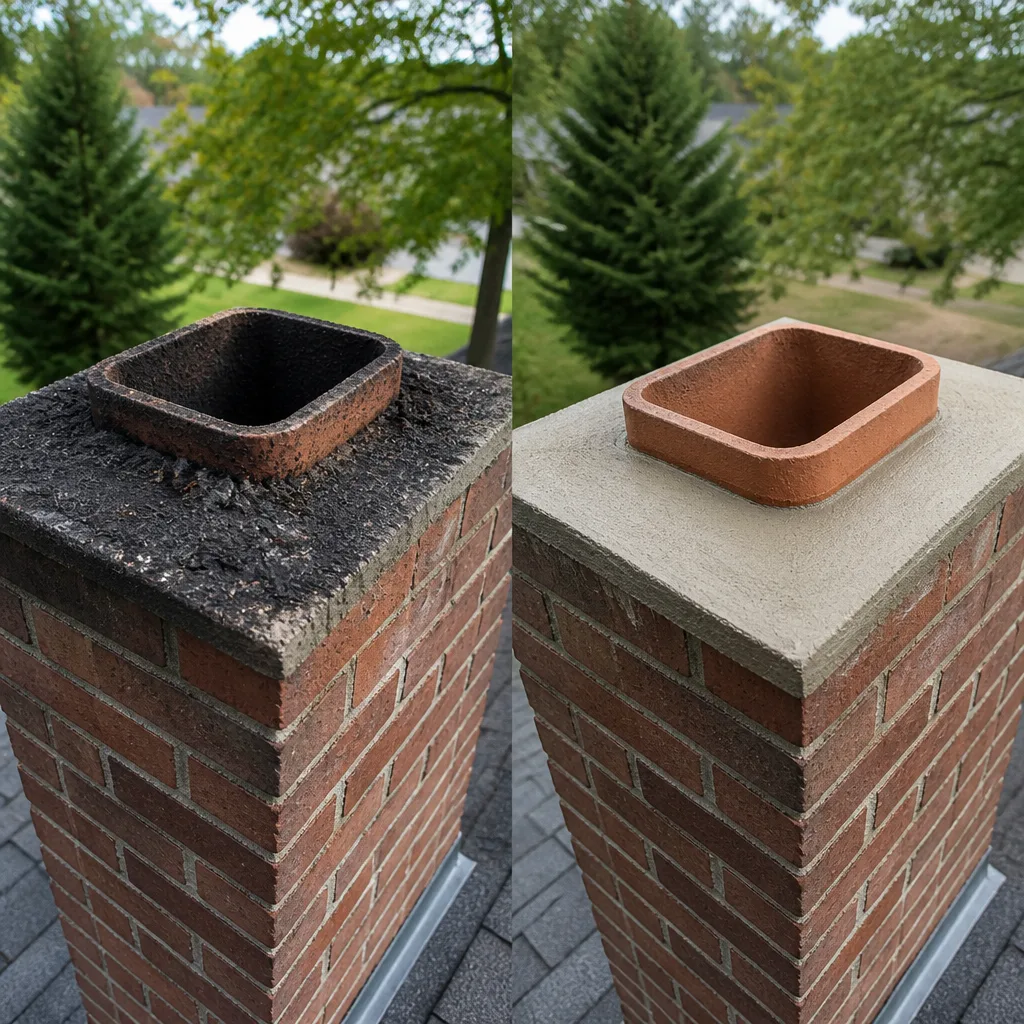
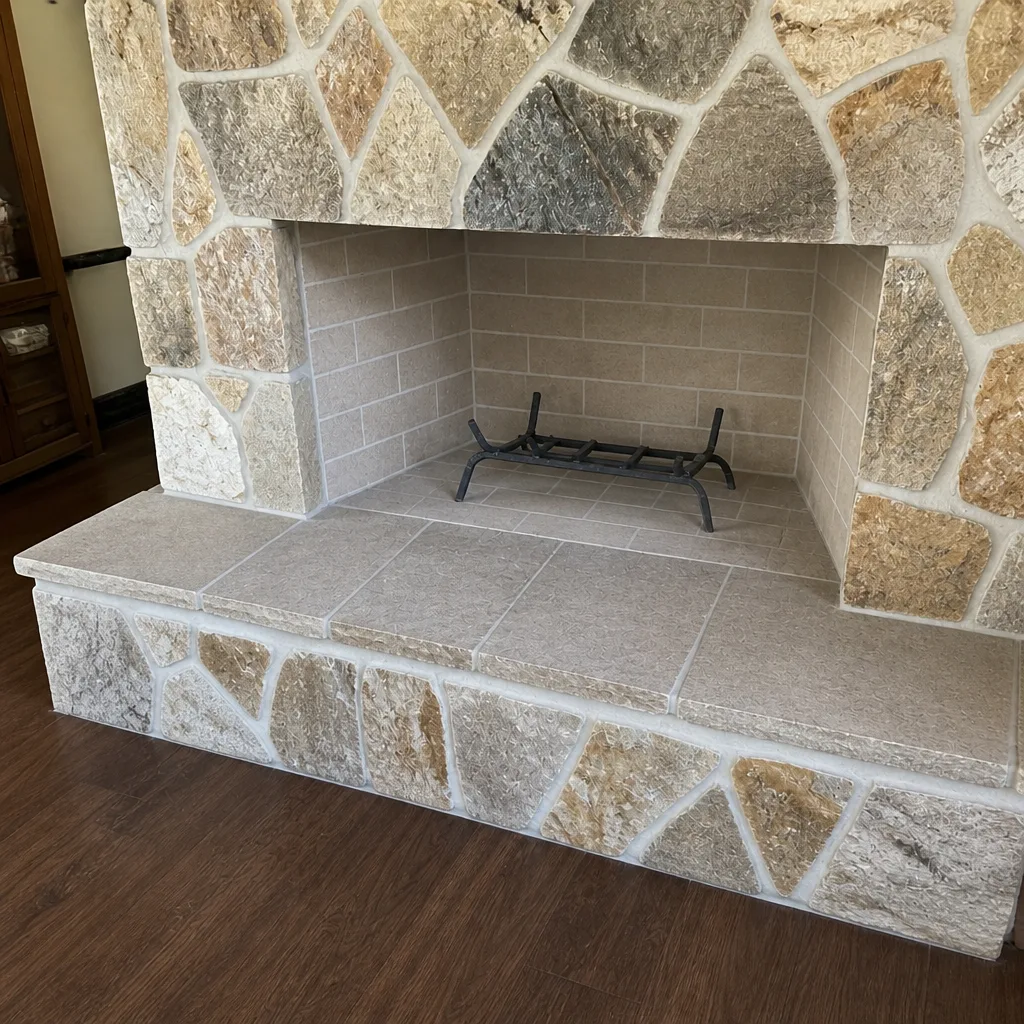
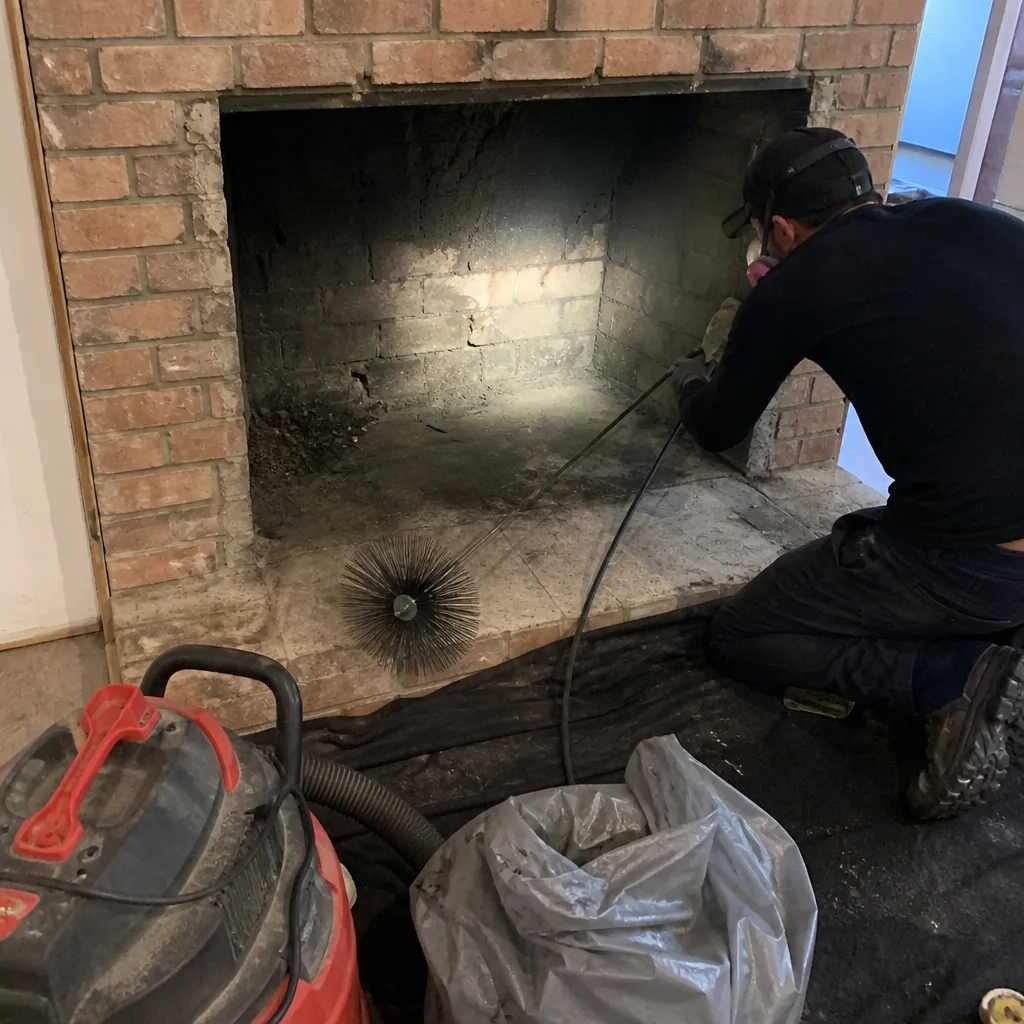
See the difference
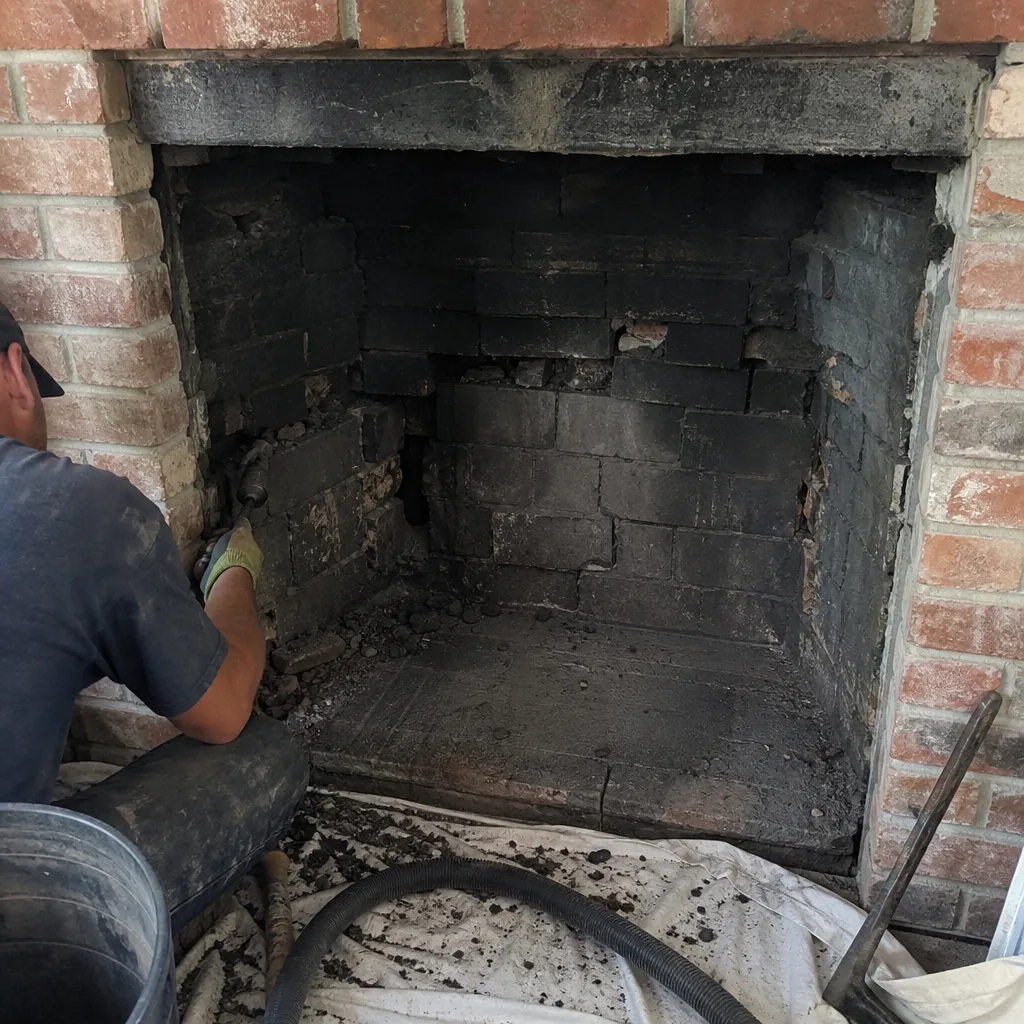 Before
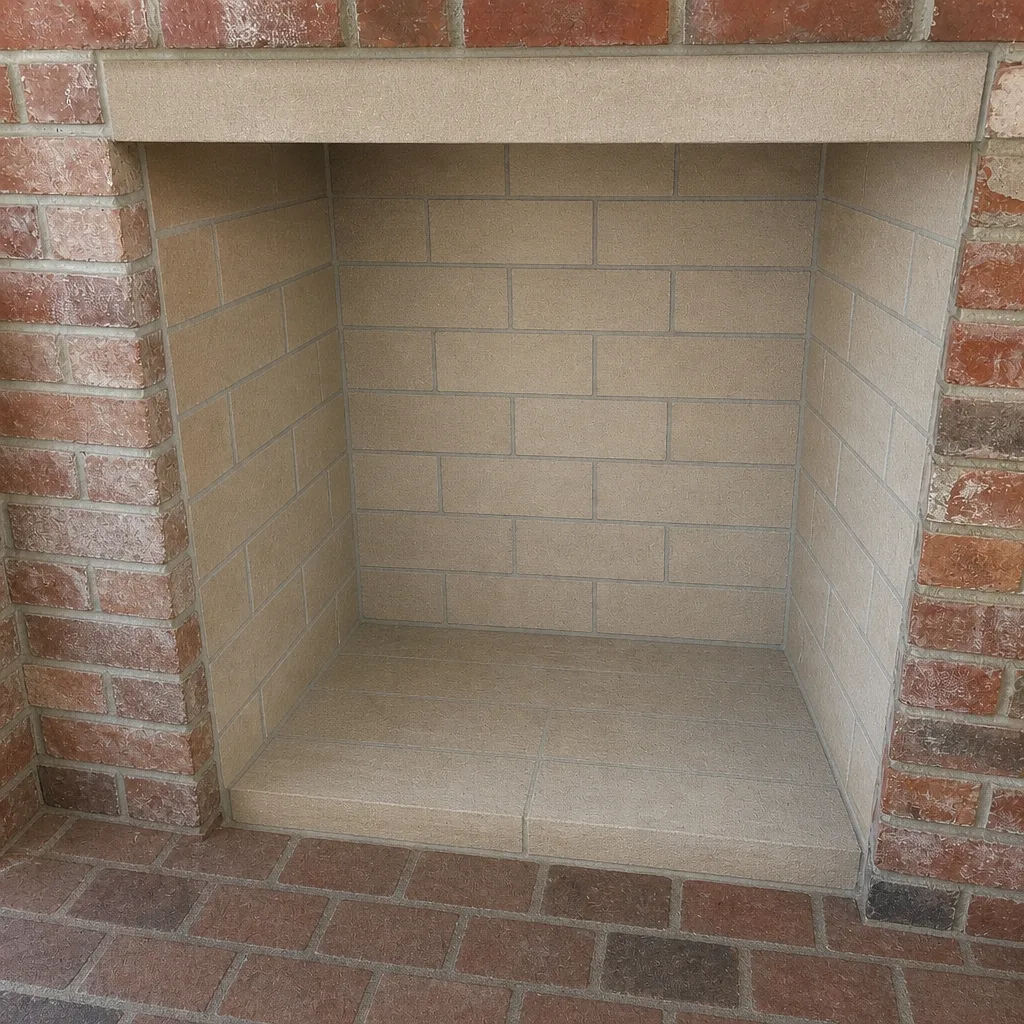 After
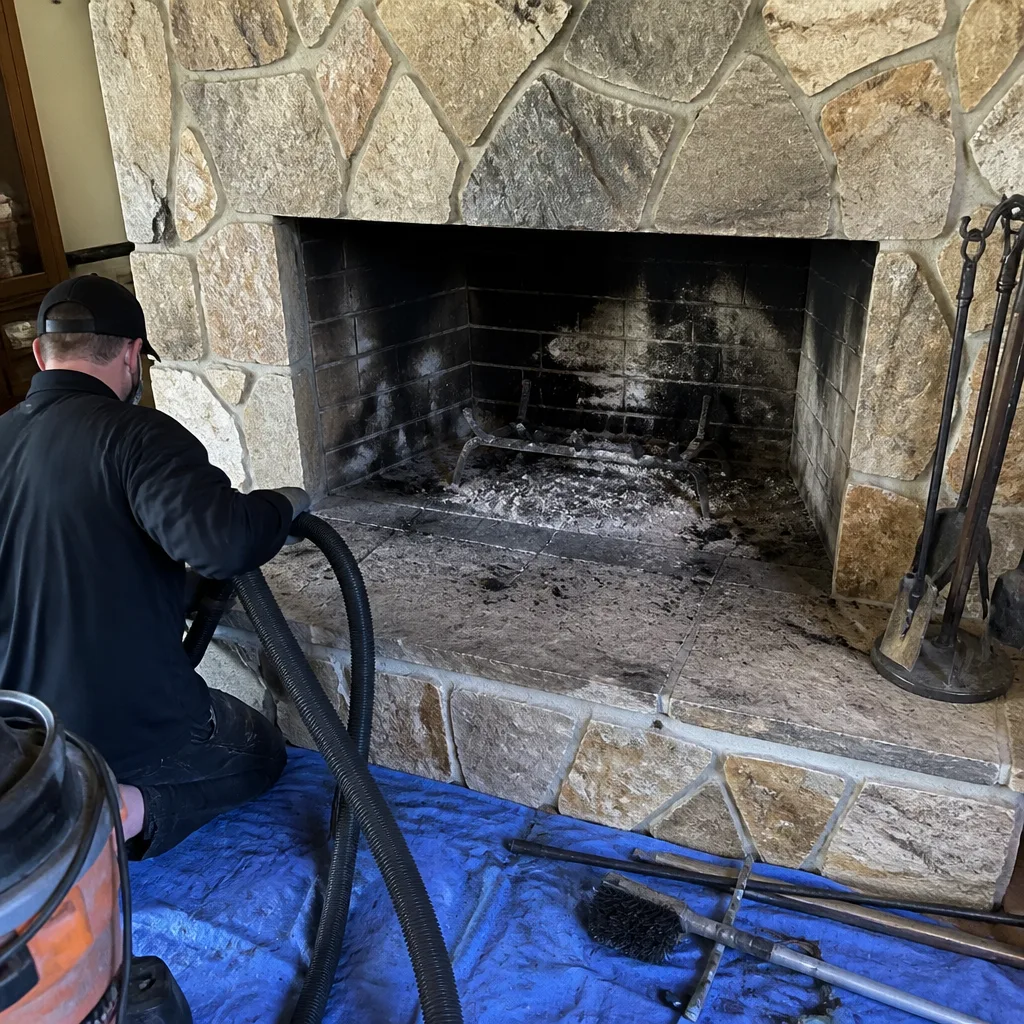 Before
 After
 Before
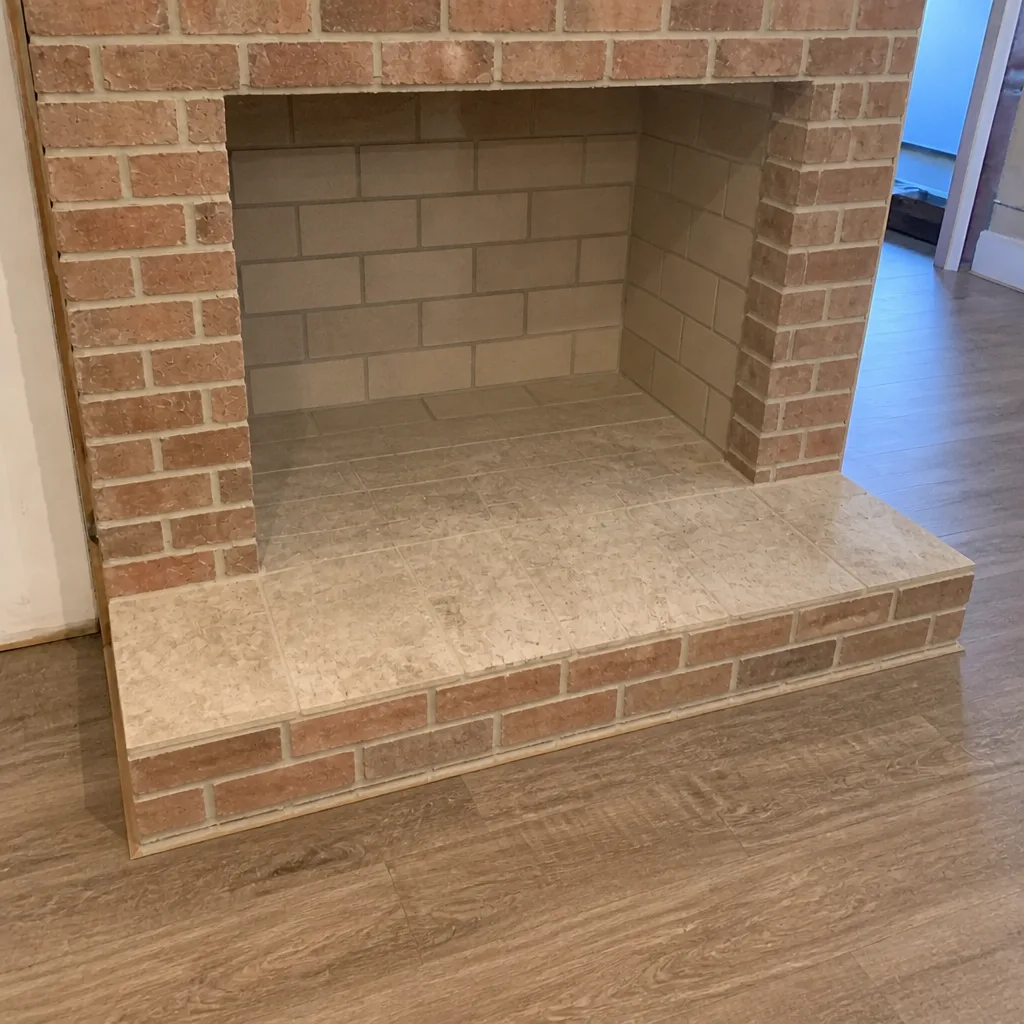 After