
Last updated November 14, 2026
 Sweep & inspection
 Caps & crowns
 Flue relining
 Masonry repair
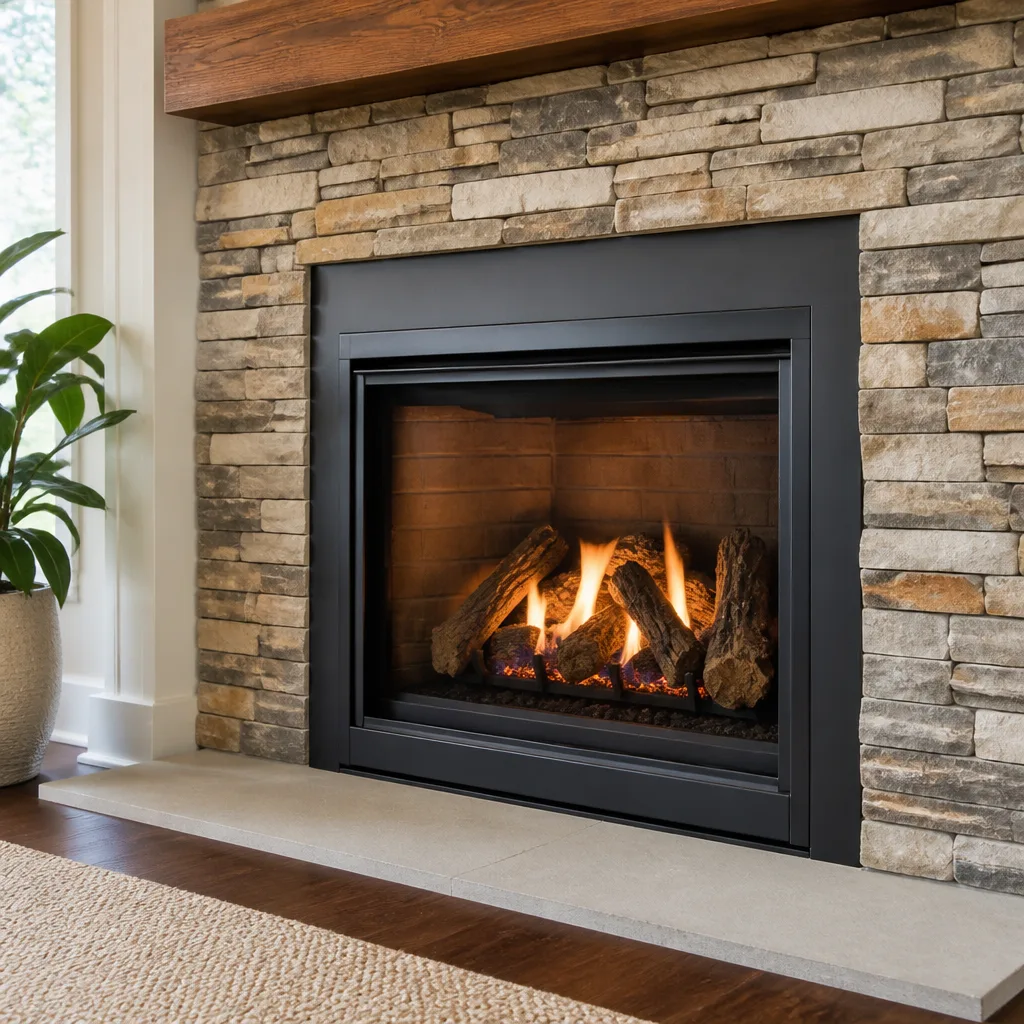 Gas fireplace service
Level 1 sweep and inspection to the NFPA 211 annual standard - flue, crown, cap, and flashing checked and photographed
Chimney sweep logs do not sweep chimneys. They loosen some creosote - which then falls where a brush and vacuum still have to collect it.
Chimney Sweep Maintenance Checklist for Spring Hill Homeowners
July is the month most Spring Hill homeowners stop thinking about their chimney entirely. It’s also the month when hairline cracks in a crown get wider, a loose cap starts to fail, and humid air works its way into a flue that hasn’t seen a fire in months. Chimney damage in Florida rarely announces itself during burn season. It builds quietly in the heat and the wet, and you find out about it the first cold night you light a fire. What follows is a month-by-month checklist written for how a Spring Hill chimney actually lives through the year: hurricane prep, a short burn season, and a long off-season when the real wear happens.
Quick Answer
A Spring Hill chimney needs three anchor points through the year: a pre-hurricane check of the cap, crown and flashing before storm season peaks; a professional sweep and inspection before the first fire of the cool season; and a moisture-focused check of the firebox and flue during the humid off-season. Between those, homeowners can self-verify a short list of visual items from the ground. Anything involving the flue interior, the crown repair, or a liner goes to a trained sweep.
Styles & brands we work with
- Sweep & inspection
- Caps & crowns
- Flue relining
- Masonry repair
- Gas fireplace service
Table of Contents
- Why the Spring Hill Chimney Calendar Is Different
- What You Can Check From the Ground
- The Month-by-Month Maintenance Calendar
- Hurricane Season Prep for Your Chimney
- Off-Season Storage and the Ash Trap
- Which Tasks Need a Licensed Sweep
- Common Mistakes to Avoid
- When to Call a Professional
- Frequently Asked Questions
Why the Spring Hill Chimney Calendar Is Different
A chimney maintenance calendar built for a cold-climate house doesn’t fit a Spring Hill home. In a place where the heating season is short and the humidity is long, the damage that matters most happens in the months when no one is burning wood. Summer heat expands mortar and brick during the day and lets them cool at night. That movement, repeated thousands of times over a Florida summer, opens the small cracks that moisture then widens. A chimney that looks fine in December can be quietly failing in July.
There’s a second reason the calendar here looks different. Hurricanes and tropical storms drive rain sideways at an angle a standard chimney cap was never designed to shed. Wind-blown debris – leaves, twigs, roofing grit – drops into open flues and settles at the smoke shelf where a fire can’t reach it. Add the long humid stretch when a firebox sits damp and unused, and you have three distinct pressure points that a generic annual reminder never addresses.
Burning wood in Spring Hill also means creosote behaves differently than many homeowners expect. A short season with intermittent fires – a weekend here, a holiday there – can leave more deposits than a steady cold-season burn, because cool flue temperatures let smoke condense on the walls before it exits. That’s why we treat inspection during a chimney sweep as part of the cleaning, not a separate upsell. The sweep is where you find out what the season actually left behind.
The checklist below organizes the year around these realities. It’s built to be read once now and referenced again when the calendar rolls around.
What You Can Check From the Ground
Before you call anyone, there’s a legitimate list of things a homeowner can check without a ladder, a flashlight down a flue, or any risk. This is self-verification, and its job is to tell you whether it’s worth booking a sweep – not to replace one. Here’s what to look at and what a problem looks like.
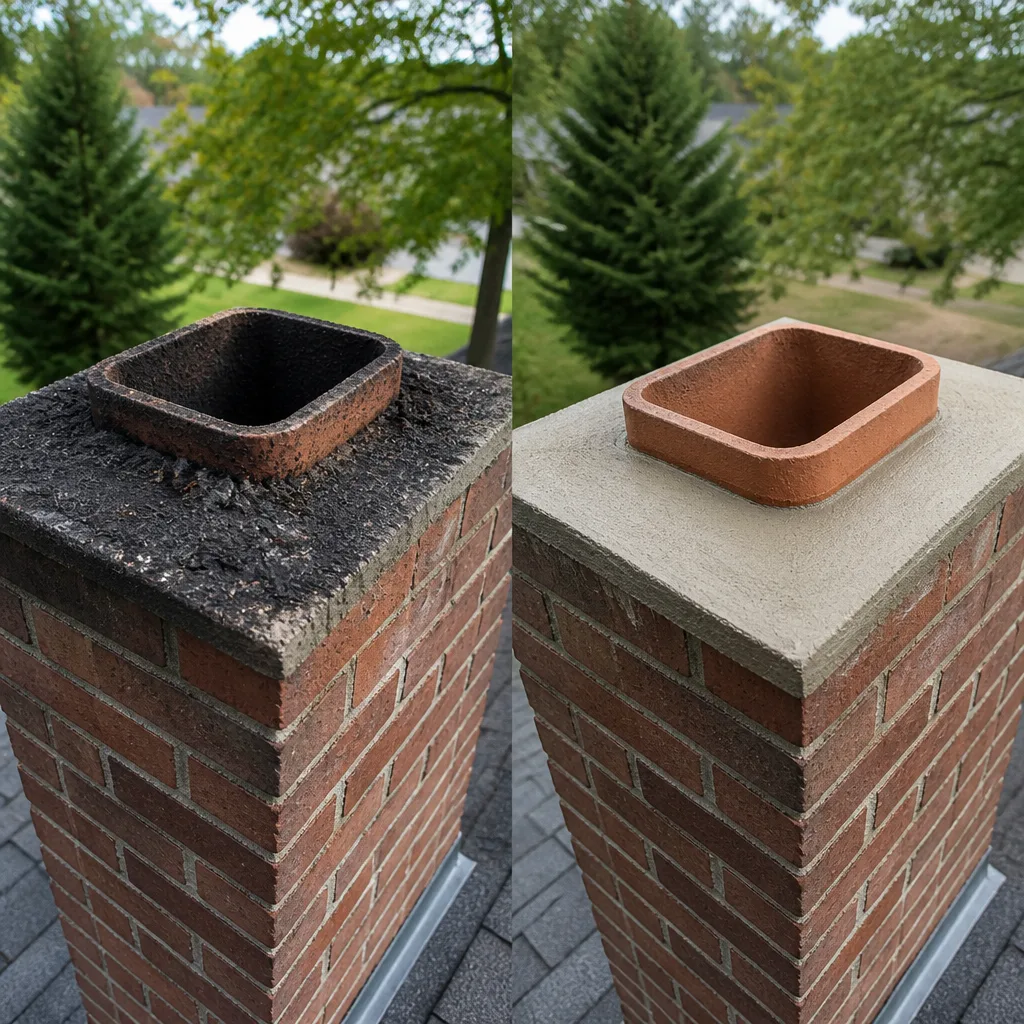
- The crown. That’s the sloped concrete or mortar cap at the very top of the chimney that sheds water away from the flue. Look for visible cracks, crumbled edges, or any spot where the crown no longer slopes away from the opening. A failed crown is the single most common way water gets into a Spring Hill chimney.
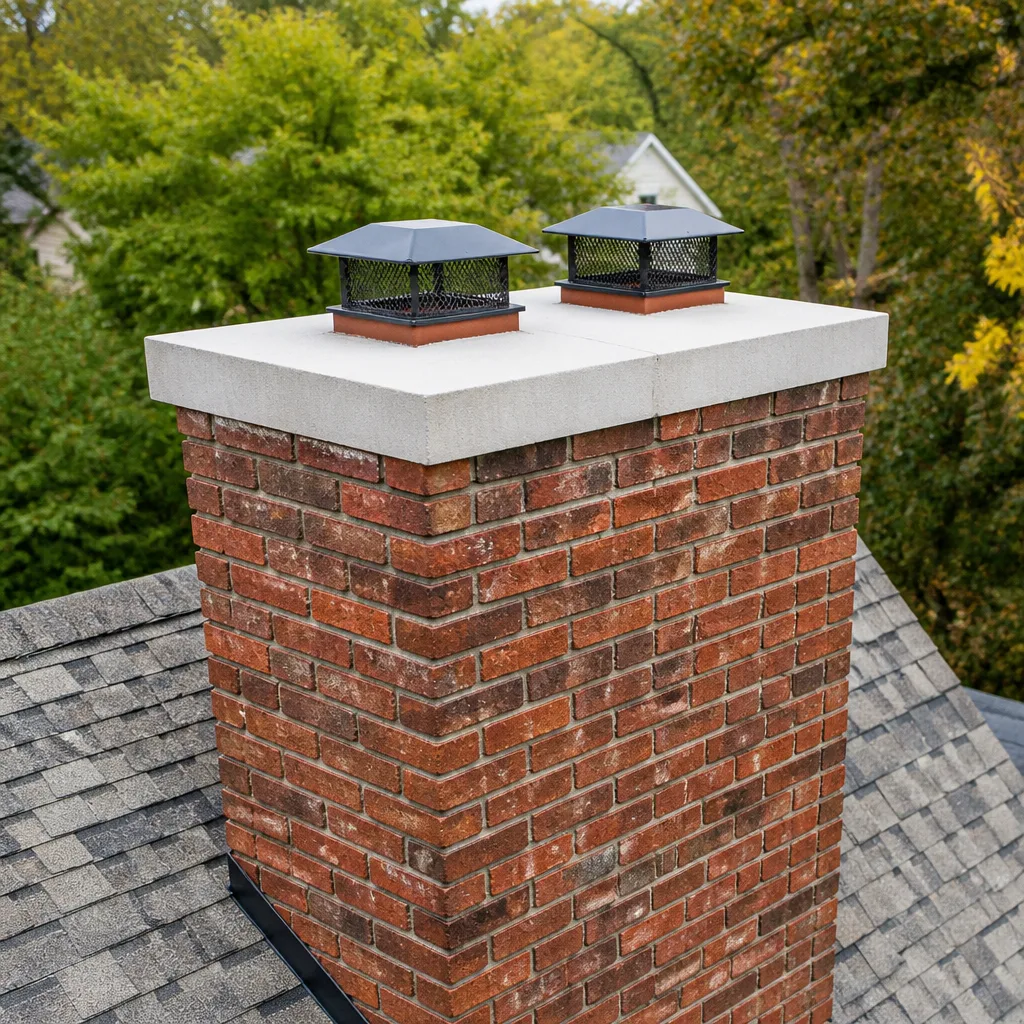
- The cap. The metal or masonry structure covering the flue itself. Check that it’s still attached and square to the chimney. A cap that’s tilted, dented, or missing a screen lets rain and animals in.
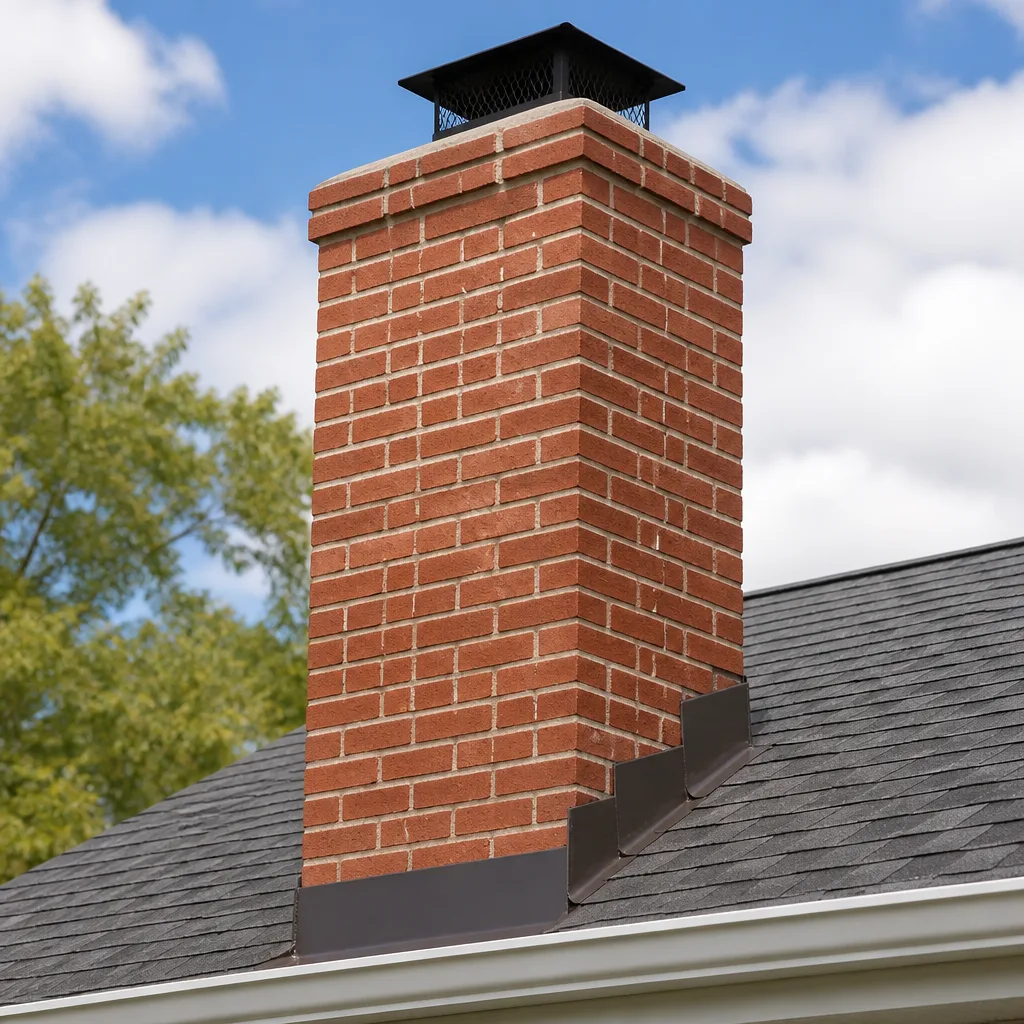
- The flashing. That’s the metal where the chimney meets the roof. Look for lifted edges, gaps, or rust streaks running down the roof below it. Water stains on the ceiling inside are the late-stage version of a flashing problem you could have seen from the yard.
- Mortar joints. Scan the visible brickwork for missing or crumbling mortar, especially near the top. Small gaps are normal aging; wide recesses mean water is getting in.
- The firebox interior and damper. With a flashlight and no fire burning, look for cracked firebrick, white staining (a moisture sign), or a damper that won’t open and close smoothly.
- Down the flue, without climbing. Shine a strong light up from the firebox opening and look for heavy soot buildup, visible cracks in the liner, or a flue that looks blocked. Don’t reach in. Just look.
What you can’t verify from the ground: the liner’s condition above the smoke chamber, the internal integrity of the crown below its surface, or what’s actually settled at the smoke shelf. Those need a trained eye and the right tools. Write down what you see and note the date, so when a technician arrives for a Chimney Sweep Spring Hill visit, you’re comparing notes rather than guessing.
The Month-by-Month Maintenance Calendar
Here’s the Spring Hill year, organized into what’s actually happening in the chimney and what to do about it. Not every month needs action; the point is knowing which months do.
- January and February – the burn season. This is when the fireplace gets used. Burn only seasoned wood, keep the fire moderate, and don’t overstuff the firebox. If you notice smoke rolling back into the room or a persistent smell, stop using it and book a sweep.
- March – the end-of-season sweep. Book the professional sweep and inspection now, before the heat sets in. You want to close the season knowing the flue is clean and the liner is sound. Clear the firebox and ash pan completely (see the ash note below).
- April and May – pre-hurricane inspection. Check the cap, crown, and flashing from the ground. Book a technician to re-secure a loose cap or repair a cracked crown. Remove any branches overhanging the chimney and confirm the cap screen is intact.
- June through September – storm season watch. After any tropical system passes, do a ground-level check for shifted caps, fresh debris on the roof, and water stains inside. Assume wind-driven rain has entered the flue; this is the window when a professional inspection is worth it.
- October – pre-season check. Confirm the damper opens and closes, the cap is secure, and the firebox is clean and dry. If you skipped the March sweep, do not skip this one – book it before the first fire.
- November and December – first fires. Start with small fires and open the damper fully. Watch for any change in how the chimney draws. A new downdraft or smoky smell is a signal, not a quirk.
The two sweeps that matter most for a Spring Hill home are March and October, which bracket the burn season. If you only do one, do it before you light the first fire, not after. That routine is the same one we recommend for every home around Spring Hill, regardless of whether the flue serves a wood fireplace or a gas insert.
Hurricane Season Prep for Your Chimney
Florida’s storm season is the single biggest stress test a chimney faces, and most of the preparation happens before the first named storm. Wind loads on a cap are real – a large, poorly secured cap can tear loose in a strong gust and take crown material with it. Water driven sideways at high velocity finds every gap the flashing has, and it deposits exactly the kind of grit and debris inside a flue that a home fire can’t burn through.
Here’s the pre-season checklist we walk through with Spring Hill homeowners:
- Secure the cap. Confirm the cap is bolted down and the screen is intact. A cap that shifts in wind is a cap that eventually leaves. If the cap is worn or improvised, a purpose-built cap from a supplier like Gelco or Olympia Chimney is the right replacement, not a hardware-store patch.
- Check the flue cover integrity. Rain entering a flue during a storm settles at the smoke shelf and sits there. Make sure the cap and any top-sealing damper are covering the opening fully.
- Inspect the flashing. Lifted flashing on the roof is the first place storm water enters a house. If you can see it from the ground, book a repair before the season peaks.
- Clear overhanging limbs. A branch that drops onto the chimney during a storm does more damage than it looks like it did. Get them pruned back during the calm months.
- After every significant storm, do a quick check. Look for shifted caps, displaced roof debris, and new interior water stains. If a storm has pushed debris into the flue, don’t test it with a fire; book a sweep.
Storm debris is the item most homeowners miss. Wind-blown leaves and grit settle in a flue quietly, and the fire that follows months later doesn’t clear them – it just pushes smoke past them into the room. A post-storm sweep clears the debris and confirms the liner survived intact. That’s the same safety thinking that drives our dryer vent cleaning work: a clear vent is a safer house.
Off-Season Storage and the Ash Trap
The single most overlooked checklist item in a Florida chimney is what we call the ash trap: leaving ash sitting in the firebox through the humid months. Ash absorbs moisture out of the summer air. Once it’s damp, it holds that moisture against the steel of the firebox and the base of the flue, and it accelerates corrosion in exactly the spot you can’t easily see. A firebox left full of ash from March to October is a moisture trap working against your chimney all summer.
The fix is straightforward. At the end of the burn season, once the firebox is fully cold, remove all ash and sweep out the firebox and ash pan. Empty the ash into a metal container and store it away from anything combustible. Leave the firebox clean and dry, with the damper cracked open slightly to let air move through the flue. That single task prevents a whole category of off-season damage.
Fireplace tools, screens, and accessories also want thought over the humid months. Wipe down metal tools, store them dry, and don’t leave them sitting in a damp firebox. Unfinished cast iron will rust in a Florida summer if you give it a reason to. Keep the tools where the air moves and they’ll be ready when the first cool night arrives.
If your home has a gas insert or gas log set, the off-season routine is a little different – a professional check of the venting and connections is worth doing before the cooling months, and it should never be a DIY project. Gas work belongs to a trained technician. Nothing about a gas fireplace should be tested with the smell-and-match method.
Which Tasks Need a Licensed Sweep
Not everything on this checklist is a homeowner’s job, and knowing where the line falls protects both your chimney and your safety. Here’s a clean split.
What you can legitimately self-verify:
- Visible cracks or crumbles in the crown and mortar joints from the ground.
- Whether the cap is attached, level and screened.
- Whether the flashing looks lifted or stained from the roof below.
- Whether the damper opens and closes smoothly.
- Whether the firebox is clean and dry.
- Whether there’s a persistent smoky smell when no fire is burning.
What requires a trained sweep:
- Cleaning the flue interior, including the smoke shelf and smoke chamber.
- Inspecting the liner for cracks, gaps or separation.
- Any crown or flashing repair beyond a visual check.
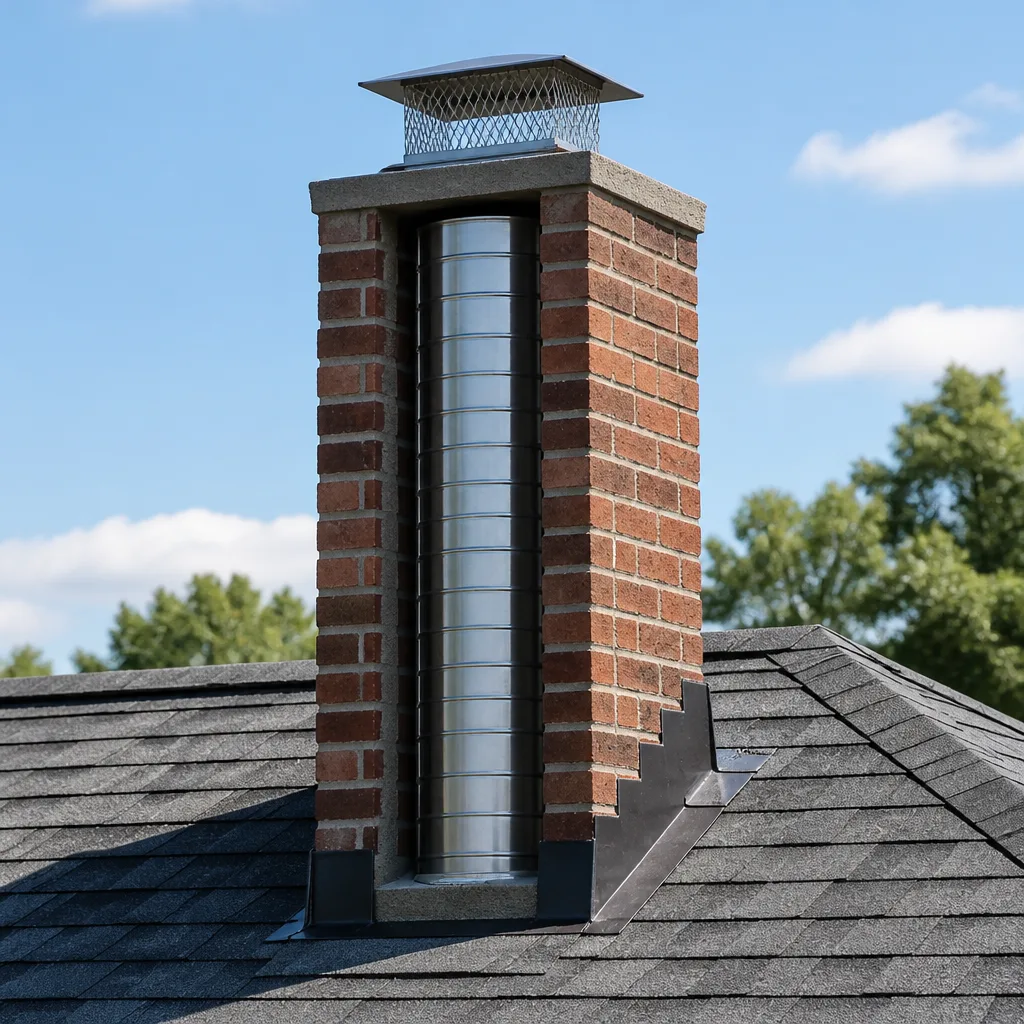
- Any liner resurfacing or replacement work, which for us means a named product like HeatShield for flue resurfacing or a DuraFlex flexible liner system for relining – purpose-built materials, not improvised patching.
- Any gas appliance inspection or venting work.
The reason this matters in Spring Hill specifically is that the long humid season can hide liner damage. A hairline crack in a flue liner lets combustion gases escape into the house, and it doesn’t announce itself. A trained sweep with the right tools finds it; a flashlight from the ground usually won’t. When we find that kind of issue during a sweep, we can address it rather than refer you out – which is one reason we keep the diagnostic and the repair under one company.
Common Mistakes to Avoid
- Waiting until you smell smoke to book a sweep. By the time smoke rolls into the room, the flue has often been failing quietly for months. Book the March sweep whether or not anything feels wrong.
- Leaving ash in the firebox over summer. In a humid climate it pulls moisture against the steel and firebrick. Empty it at the end of the season, not the start of the next one.
- Ignoring the crown until it cracks wide open. A hairline crown crack in May is a small repair; by November it’s letting water into the flue and the fix is larger. Fix it during the pre-hurricane window.
- Patching a liner with improvised material. A generic sealant or caulk is not a flue liner. If the liner needs resurfacing, it needs a product designed for the job, and a technician who specifies it correctly.
- Assuming a gas insert doesn’t need servicing. Gas appliances vent, and venting needs inspection. A gas insert belongs on the annual checklist just like a wood fireplace.
- Skipping the post-storm check. Storm debris inside a flue doesn’t announce itself, and a storm-shifted cap doesn’t always look obviously wrong from the yard. Check after every tropical system, and book an inspection when in doubt.
- Forgetting the dryer vent. A dryer vent is a venting system with the same fire risk as a chimney flue. It belongs on the same annual maintenance calendar, not as an afterthought.
When to Call a Professional
Some checklist items are for a homeowner; some are signals to call. Call a professional if you see any of the following: visible cracks in the crown that go deeper than the surface, a cap that’s loose, tilted, or missing its screen, flashing that’s lifted or stained, mortar joints with wide recesses, cracked firebrick, a damper that sticks, a persistent smoky smell when no fire is burning, or a flue that looks blocked when you shine a light up from the firebox. Any of these is a reason to book a sweep and inspection before you light another fire.
The other signal is the calendar itself. If you can’t remember the last time your flue was swept, that’s the answer. A professional sweep is cheap compared to a repair, and it’s the only reliable way to know what’s inside a flue you can’t see. The real protection here is evidence you can look at – if we recommend repair work, it’s because we can show you why, and if something can safely wait, we’ll tell you. Chimney Sweep Spring Hill offers free estimates in Spring Hill – call (855) 360-8361 for a free estimate. We answer 24/7, with fast dispatch from 7am to 7pm, Sunday through Friday.
Frequently Asked Questions
Once a year for most homes, and always before the first fire of the burn season. Because our heating season is short and intermittent, a Spring Hill flue can build up creosote faster than expected, so we recommend an annual sweep and inspection rather than a “when it looks dirty” approach. Call (855) 360-8361 for an exact quote – estimates are free.
Yes, for a short list of items: the crown, cap, flashing, mortar joints, damper, and firebox interior. You can scan those from the yard and from a flashlight inside with no fire burning. The flue interior, liner, and smoke chamber require a trained technician with the right tools. If anything you see gives you pause, book a sweep rather than climbing up to investigate.
Remove it all once the firebox is fully cold, at the end of the burn season. In a humid Florida summer, ash absorbs moisture and holds it against the firebox and flue base, which accelerates corrosion. Store the ash in a metal container away from anything combustible, and leave the firebox clean and dry with the damper cracked slightly open.
Yes. Before storm season peaks, confirm the cap is bolted down and screened, the flashing is in good shape, any overhanging limbs are pruned back, and the flue cover fully protects the opening. After every significant storm, do a ground-level check for a shifted cap and new interior water stains. If you suspect storm debris entered the flue, book a sweep before lighting another fire.
A persistent smoky smell when no fire is burning usually means the flue is holding moisture, soot, or debris it shouldn’t. It’s one of the clearest signals to book an inspection. Don’t mask it with an air freshener; the smell is telling you something about the flue. Call (855) 360-8361 for an exact quote – estimates are free.
Yes. A gas insert vents combustion gases just like a wood flue, and it needs an annual inspection of the venting and connections by a trained technician. Gas work should never be a DIY project. A gas fireplace belongs on the same maintenance calendar as a wood-burning one for the same reason: what you can’t see is what matters. Call (855) 360-8361 for an exact quote – estimates are free.
The Bottom Line
A Spring Hill chimney’s worst months are the ones no one thinks about. July does more quiet damage than January, because heat and humidity work on a flue long after the last fire has gone out. The checklist that actually protects a chimney here is simple: sweep and inspect at the end of burn season and again before the first fire, prep the cap and crown before hurricane season peaks, clear the ash and dry the firebox for the humid months, and do a quick ground-level check after every storm. The rest is knowing which tasks are yours and which belong to a trained sweep. Book the sweep, keep the calendar, and the chimney stays a working venting system rather than a problem waiting to be discovered.
Written by the team at Chimney Sweep Spring Hill.
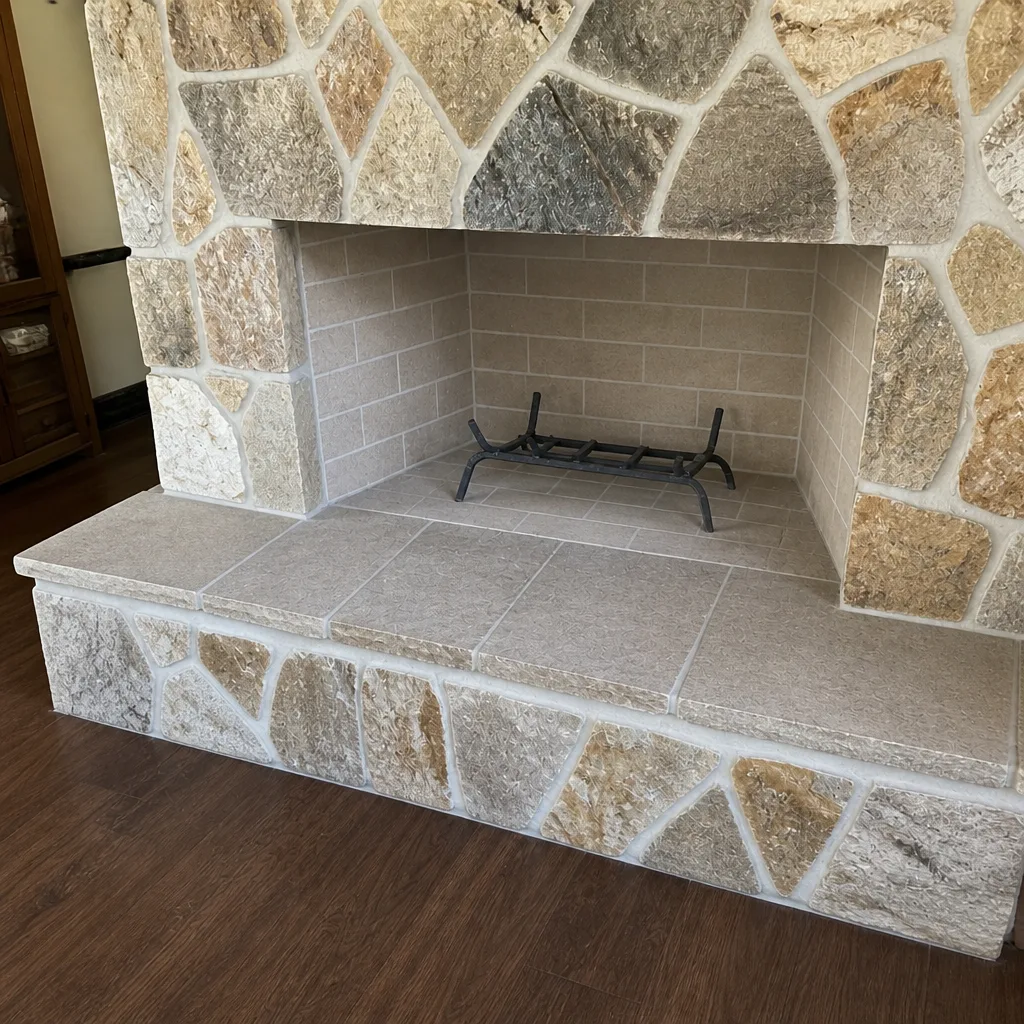
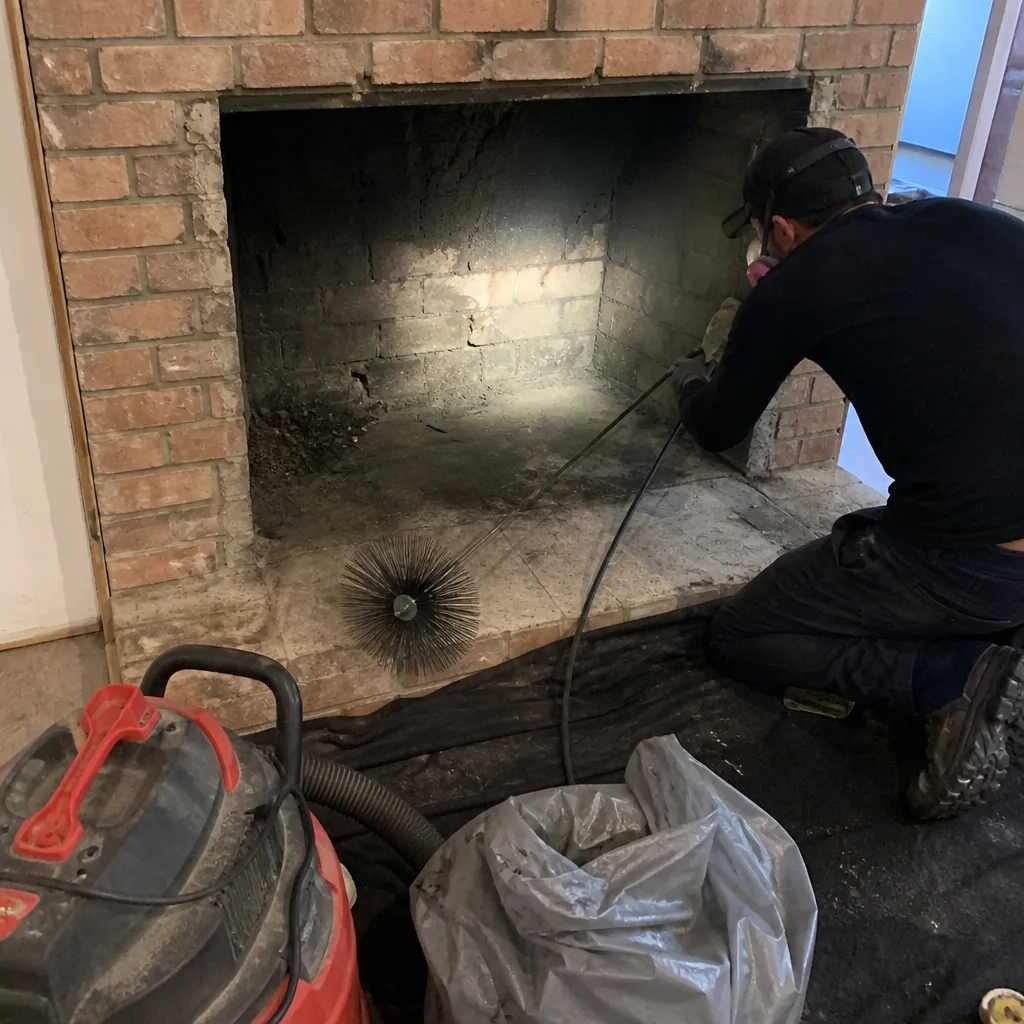
See the difference
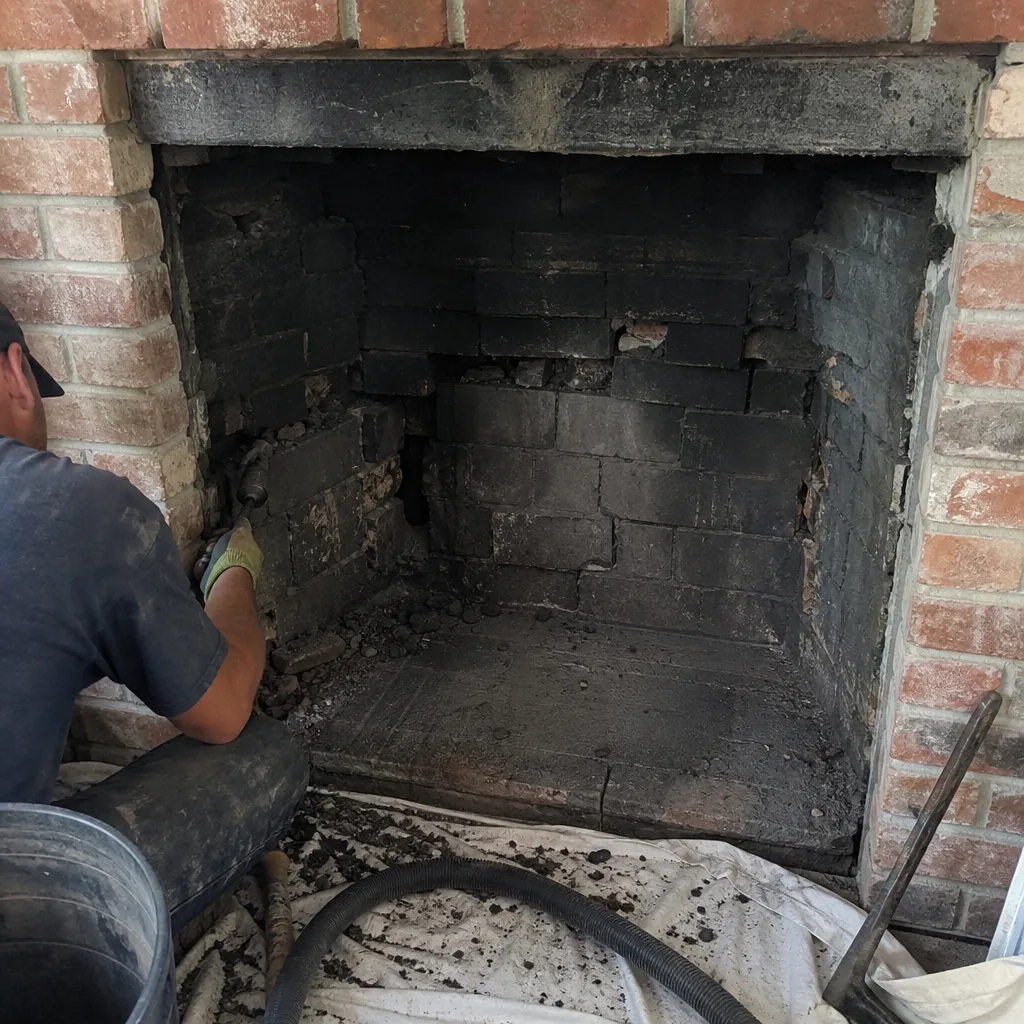 Before
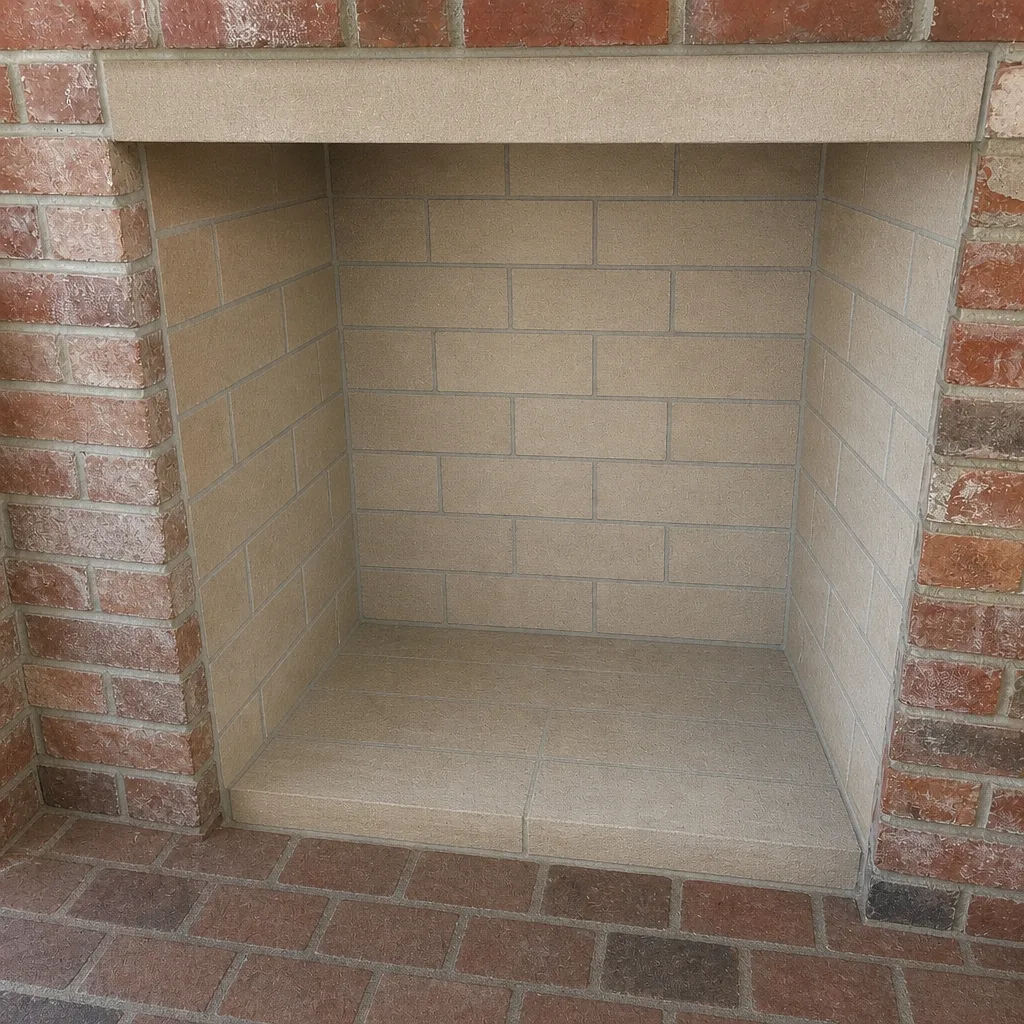 After
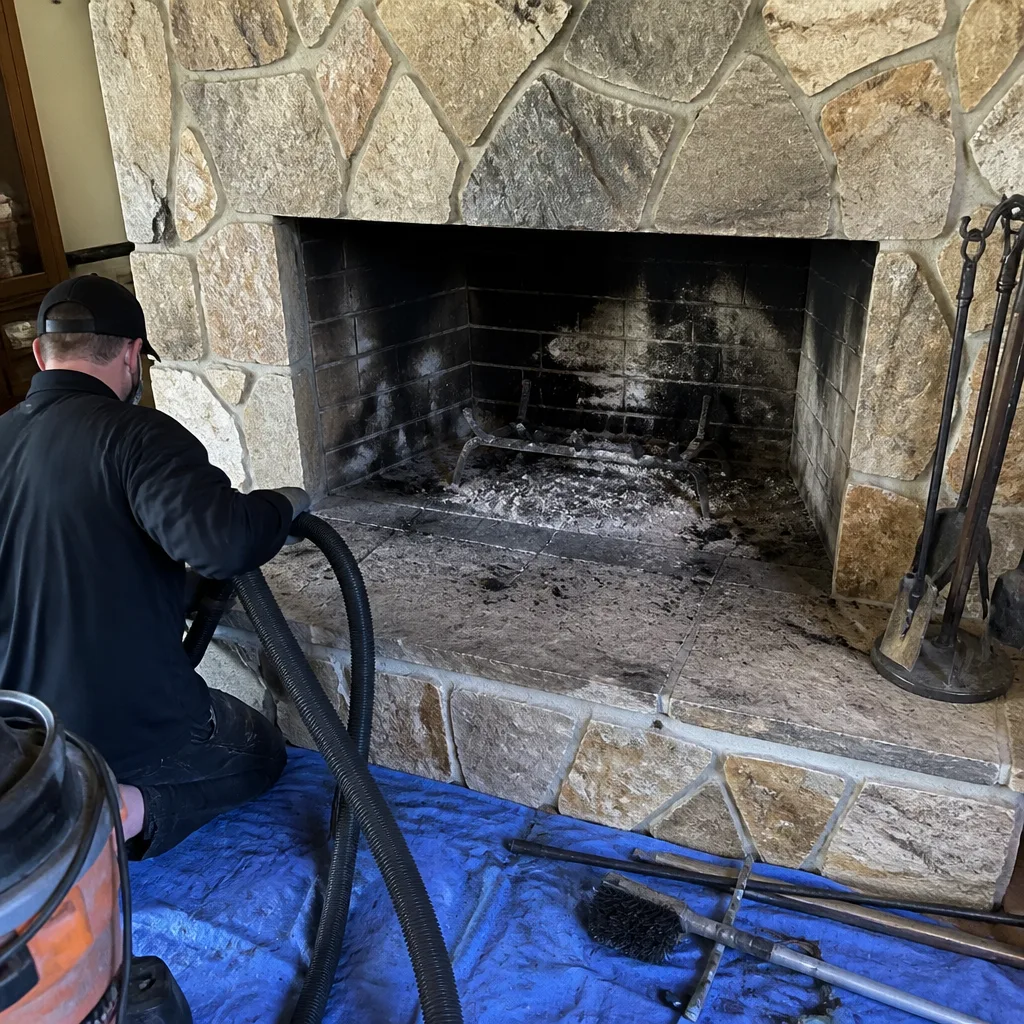 Before
 After
 Before
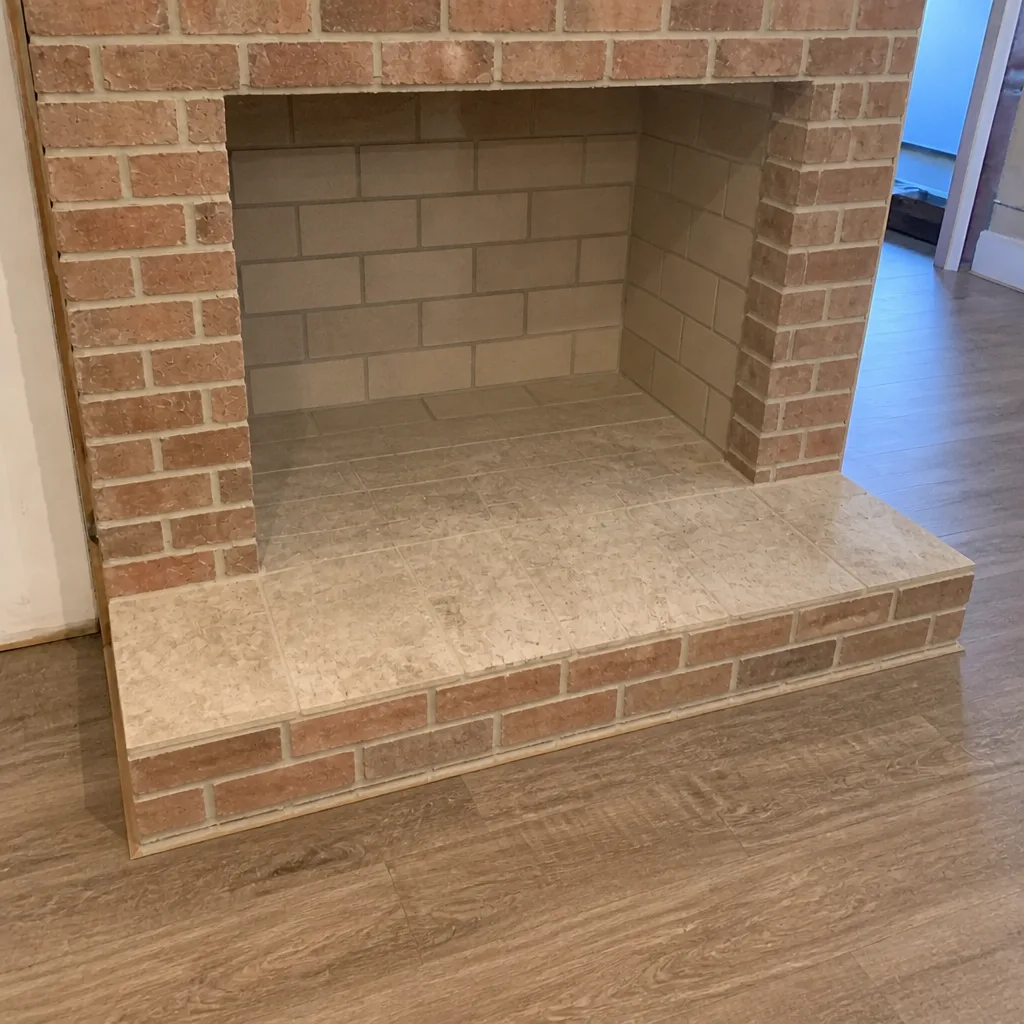 After