
Last updated November 14, 2026
 Sweep & inspection
 Caps & crowns
 Flue relining
 Masonry repair
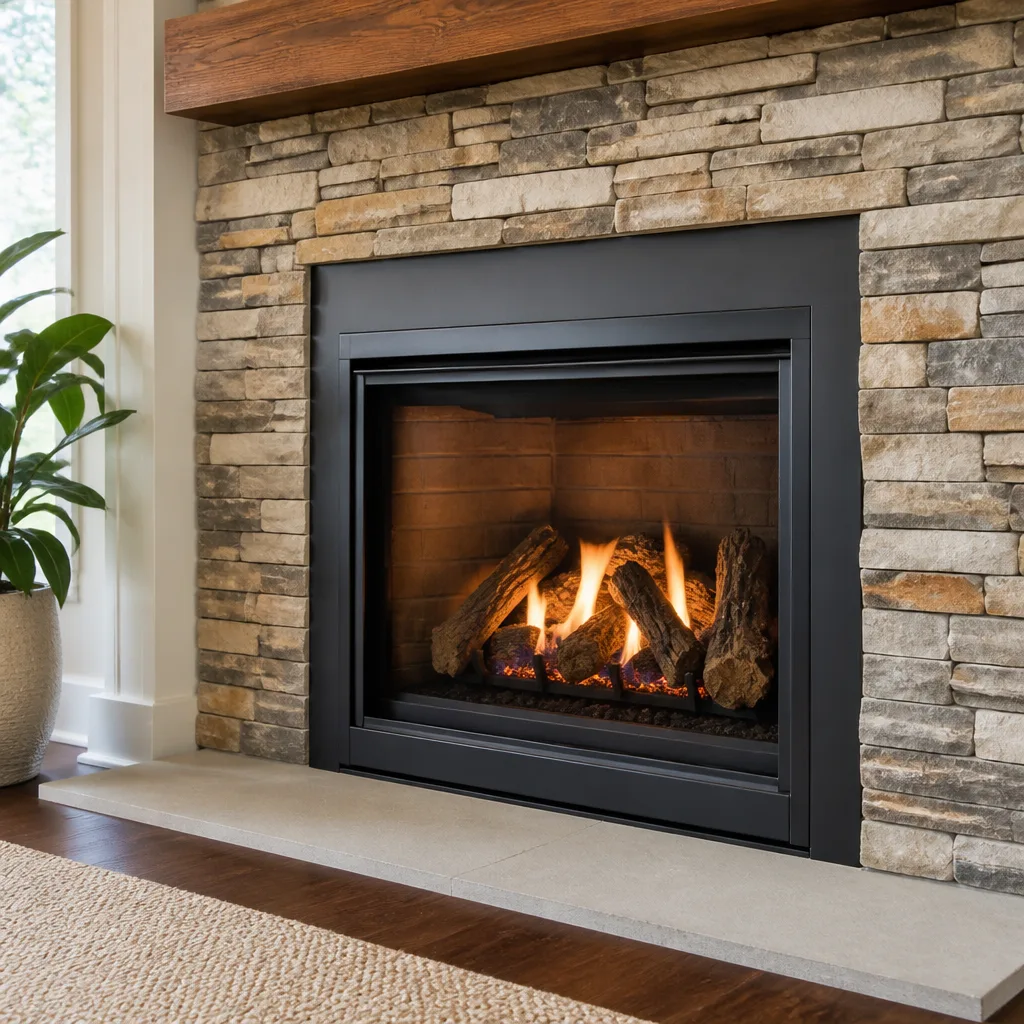 Gas fireplace service
Level 1 sweep and inspection to the NFPA 211 annual standard - flue, crown, cap, and flashing checked and photographed
Chimney sweep logs do not sweep chimneys. They loosen some creosote - which then falls where a brush and vacuum still have to collect it.
Chimney Cleaning Permits, Codes & Inspections in Spring Hill, FL: What You Need to Know
Here’s the part that surprises most homeowners: a routine chimney cleaning in Florida usually needs no permit at all, but a liner replacement on the same chimney does. That gap is where trouble starts. In our experience, the work that gets flagged during a Hernando County real estate transaction is almost never a sweep. It’s a stainless liner installed without a permit, or a cap and chase cover swapped out with no paper trail. This guide draws the line precisely: what’s routine maintenance, what triggers a permit under the Florida Building Code, how inspectors uncover unpermitted work, and how to verify a permit before you close on a Spring Hill home. By the end, you’ll know exactly which chimney jobs need paperwork and which don’t.
Quick Answer
Sweeping, cleaning, and visual inspection of a chimney don’t require a permit in Hernando County. Relining a flue, replacing a chimney cap or crown, altering venting, or any structural change to the chimney system does require a permit and must comply with the Florida Building Code and NFPA 211 clearances. If you’re unsure which category a job falls into, ask before work starts, and verify any completed permit through Hernando County’s building department.
Styles & brands we work with
- Sweep & inspection
- Caps & crowns
- Flue relining
- Masonry repair
- Gas fireplace service
Table of Contents
- Cleaning vs. Repair: Where the Permit Line Falls
- What the Florida Building Code Actually Says About Chimneys
- Why NFPA 211 Matters More Than Most Homeowners Realize
- How Permits Work in Hernando County
- How Unpermitted Chimney Work Surfaces During a Home Inspection
- How to Verify a Permit and Pull Records
- What a Sweep Should Catch (and What It Shouldn’t Cost You)
- Why Spring Hill Chimneys Age the Way They Do
Cleaning vs. Repair: Where the Permit Line Falls
The cleanest way to understand this is to separate the two categories. Cleaning is maintenance. Repair is construction. Florida treats them differently, and so should you when you’re booking work.
No permit required (routine maintenance):
- Sweeping the flue to remove creosote and soot
- Visual inspection with a camera
- Removing a bird’s nest or debris blockage
- Dryer vent cleaning (a separate system, and one we handle as a core service)
Permit required (construction or alteration):
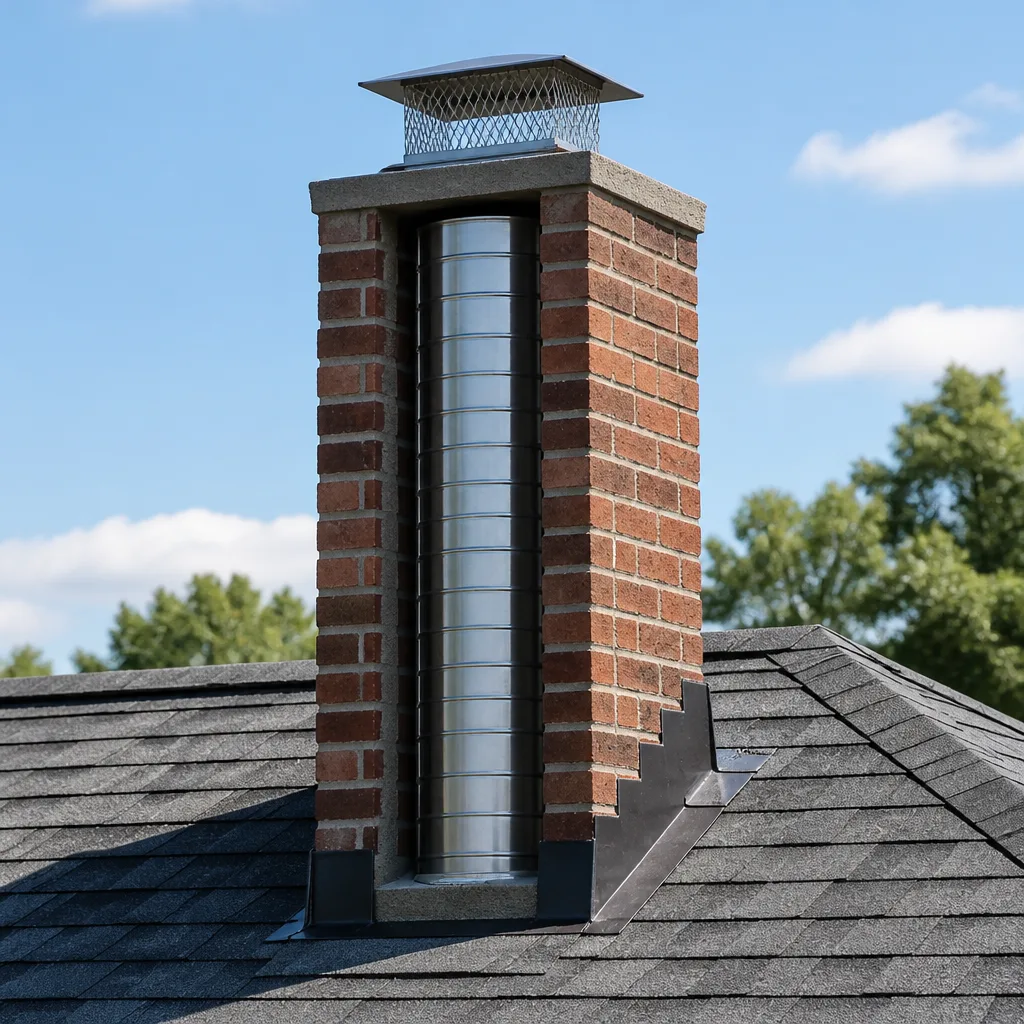
- Installing or replacing a chimney liner, including flexible stainless systems like DuraFlex
- Applying HeatShield resurfacing compound to restore a deteriorated flue liner
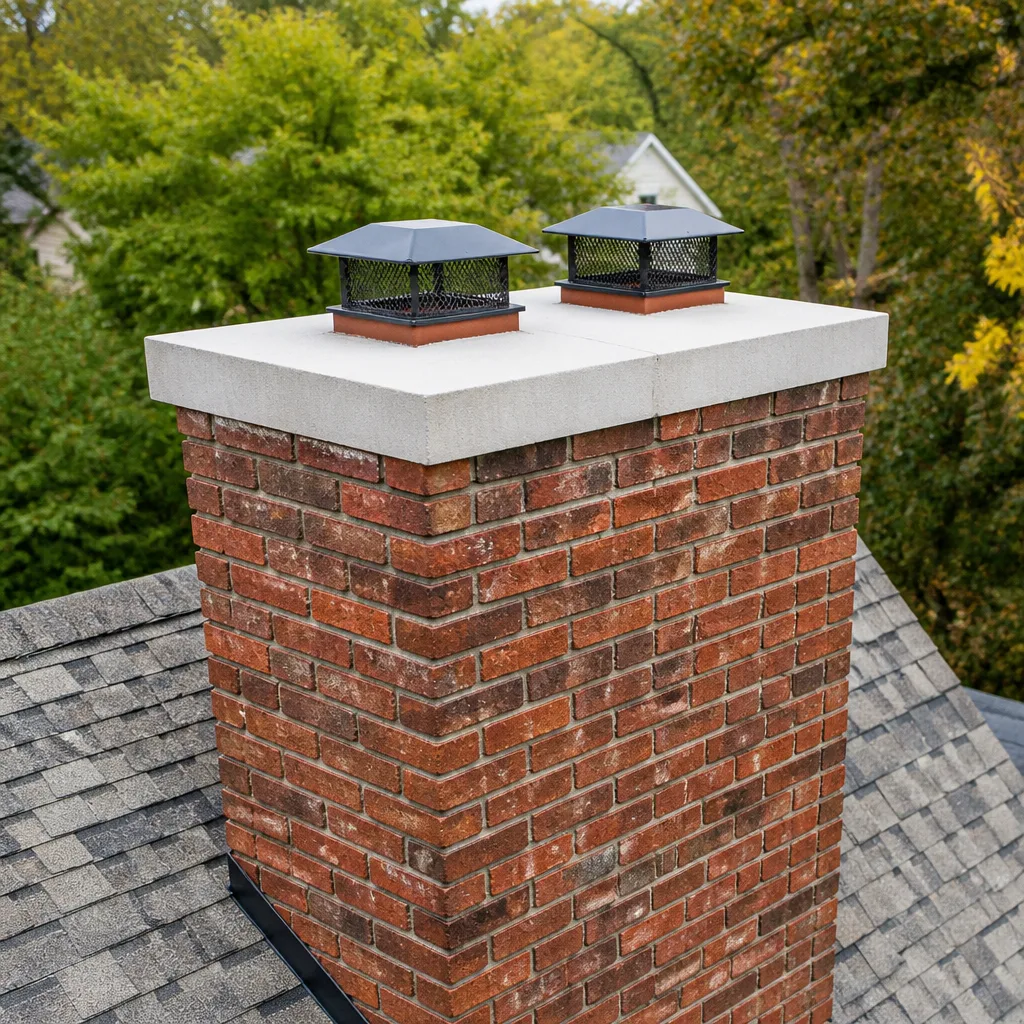
- Replacing a chimney cap, chase cover, or crown
- Altering the venting configuration of a fireplace, wood stove, or gas appliance
- Any change to the chimney’s height, structure, or clearances
The confusion happens because a liner replacement is often discovered during a cleaning. A homeowner books a chimney sweep, the technician finds cracking, and suddenly there’s a repair on the table. That repair is legitimate work, but it’s also permitted work. A contractor who tells you a liner swap doesn’t need a permit is telling you something the code doesn’t support. If you want to schedule a sweep and find out what condition your flue is actually in, call (855) 360-8361.
What the Florida Building Code Actually Says About Chimneys
Florida’s chimney rules live in two places in the code, and knowing both is what separates a contractor who reads the code from one who guesses.
FBC Chapter 10 (Chimneys and Vents) covers the construction, installation, and clearances for chimney systems. It addresses masonry and factory-built chimneys, flue sizing, termination heights, and the clearances to combustibles that keep a chimney from starting a fire in the framing around it. Any time a chimney component is replaced or altered, the work must comply with Chapter 10, and a permit is how the county confirms it does.
The Florida Mechanical Code handles the venting side: how appliances connect to flues, vent sizing, and the requirements for gas and oil appliance venting. If your home has a gas insert or an appliance tied into the chimney system, the mechanical provisions apply to any change you make.
The practical takeaway: a liner replacement or cap installation is a code-governed alteration, not a swap. That’s why it needs a permit and an inspection. When we install a DuraFlex liner or apply HeatShield resurfacing compound, the work is specified to meet the code and NFPA 211 clearances, and the permit inspection is the county’s confirmation that it does. You can read more about how we approach the whole system on the Chimney Sweep Spring Hill page.
One important note: we’re describing the code framework in general terms. For the exact language and its application to your specific house, the Hernando County building department is the authority, and any licensed contractor you hire should be able to point you to the relevant sections.
Why NFPA 211 Matters More Than Most Homeowners Realize
NFPA 211 is the national standard for chimneys, fireplaces, vents, and solid fuel appliances. Most building codes, including Florida’s, reference it, and inspectors evaluate work against it. If your contractor doesn’t know what NFPA 211 says about your flue, that’s a red flag.
Two parts of the standard matter most for Spring Hill homeowners:
Clearances. NFPA 211 specifies the minimum distance between a chimney and combustible materials like framing, and the required height of the chimney termination relative to the roofline. A cap or chase cover installed without respecting these clearances can create a fire hazard the inspector will catch.
Liner specifications. The standard sets out what a liner must be rated for, how it must be sized, and how it must be connected. This is where specifying the right product matters. A flexible stainless liner system like DuraFlex is engineered for the application; generic flex pipe from a hardware store isn’t the same thing, even if it looks similar on the shelf. Same with HeatShield: it’s a resurfacing compound designed specifically for restoring deteriorated flue liners, not a generic patch.
When we take on a Spring Hill job and the sweep reveals a cracked flue, we specify the product by name and install it to NFPA 211 clearances. That’s not a sales tactic. It’s the difference between a job that passes inspection and one that surfaces as a problem years later.
How Permits Work in Hernando County
Spring Hill sits in Hernando County, and the county’s building department is where your chimney permit gets issued and inspected. Here’s the process in order:
- Application. The contractor files a permit application with Hernando County, describing the work (liner replacement, cap install, venting alteration) and including product specs.
- Review. The county reviews the application for code compliance. Product data for the liner or components often gets submitted at this stage.
- Permit issuance. Once approved, the permit is issued and the work can proceed.
- Inspection. After the work is done, a county inspector verifies it meets code and NFPA 211 clearances. This is the step that catches installations that look fine on the surface but fail the standard.
- Final approval. The permit is closed out, and there’s now a public record of the work.
Steps 4 and 5 are what protect you at resale. An unpermitted liner replacement has no inspection, no final approval, and no record. When a buyer’s inspector finds it, the burden falls on the seller to prove the work was done right, often by hiring a contractor to redo or document it. That’s the scenario worth avoiding.
You can reach the Hernando County building department to ask about permit requirements for your specific job or to check the status of a permit. The department can look up records by address. Keep the permit number on file once the work is done; it’s the simplest piece of documentation to hand a buyer later.
How Unpermitted Chimney Work Surfaces During a Home Inspection
Home inspectors are trained to catch what’s called “unpermitted work,” and chimney systems are a common place they find it. Here’s how it usually happens:
- Missing documentation. The inspector checks public records for permits on the property. A liner that’s visible but has no permit record triggers a flag.
- Non-standard installation. An inspector familiar with NFPA 211 clearances can spot a cap installed too close to framing, a liner that’s undersized, or a chase cover that doesn’t meet the standard.
- Visible deterioration not addressed. Cracking in a flue that’s been “sealed” with improper material instead of properly resurfaced or relined gets noticed during a camera inspection.
- Discrepancy between what’s reported and what’s present. If a seller’s disclosure says a liner was replaced and there’s no permit, buyers ask questions.
The resolution process varies. Sometimes a contractor can pull a permit retroactively if the work is code-compliant. Other times the work has to be corrected or redone to pass inspection. In our experience, the cleanest path is prevention: make sure any chimney repair done on your Spring Hill home is permitted and inspected at the time, not at resale.
How to Verify a Permit and Pull Records
If you’re buying or selling a Spring Hill home, or you’re about to hire someone for chimney work, verifying permits is straightforward. Here’s what to do:
- Ask the contractor for the permit number. A legitimate chimney contractor will have one for any permitted work before the job starts.
- Contact Hernando County’s building department. They can look up permit status by property address and tell you whether the work was inspected and finalized.
- Request the written estimate and product specs. For a liner replacement, the estimate should name the liner system, and for resurfacing, the compound. If the work is being permitted, the specs should match what was submitted.
- Get the final inspection record. After the work is done, ask for confirmation the permit was closed out.
- Keep everything with your home records. The permit number, inspection report, and product documentation are all useful at resale.
We can’t give you legal or real estate advice, but we can tell you what paperwork should exist. If you’re not sure whether your chimney work needs a permit, a call to the building department settles it fast, and you can call us at (855) 360-8361 to schedule an inspection.
What a Sweep Should Catch (and What It Shouldn’t Cost You)
A proper chimney sweep in Spring Hill isn’t just brushing out creosote. It’s an inspection, and the inspection is where the value lives. A camera inspection lets us see the flue condition from the inside, which is how liner cracks, gaps, and deterioration get caught before they become a problem.
Based on what the camera shows, the flue falls into one of three categories:
- Clean and sound. No repair needed. You get the sweep and a report, and you’re done.
- Sound but dirty. A sweep addresses it, and you should schedule a follow-up sweep based on how much you burn wood.
- Deteriorated or cracked. A liner replacement or HeatShield resurfacing is on the table. This is where the permit conversation starts.
What a sweep shouldn’t do is turn a minor issue into a major project. In our experience, homeowners are often wary because they’ve been told they need expensive work they can’t verify. That’s why we show the camera footage: you should be able to see what we see before you decide on a repair. Nothing is recommended without evidence you can look at yourself, and work that can safely wait gets told to you plainly. That includes dryer vent cleaning, which is a separate but equally important part of a full chimney system check and addresses a leading household fire hazard on its own.
Why Spring Hill Chimneys Age the Way They Do
Spring Hill homes have a particular chimney profile. The area’s housing stock includes a lot of homes from the 1970s through the 1990s, and many of those have factory-built fireplaces and masonry chimneys that have gone decades without professional inspection. Add to that the Florida humidity, which works on masonry and mortar over time, and you get chimneys with deterioration that’s often invisible from the living room.
The climate matters for another reason: Florida winters are mild, so wood-burning fireplaces in Spring Hill see limited use. A fireplace that’s rarely used can still accumulate creosote and can still have a deteriorating flue. In fact, infrequently burned fireplaces sometimes get less attention than they need because homeowners assume a fireplace that isn’t used doesn’t have problems. It can.
The other local factor is the age of the homes themselves. A 1980s chimney in Spring Hill may have a clay tile flue that’s cracked, or a metal liner that’s reached the end of its service life. That’s not a defect; it’s just time. The repair, when it comes, is where the permit question matters, and the products we specify (DuraFlex for relining, HeatShield for resurfacing, and components through established supply networks) are chosen for the application, not for a low price.
Common Mistakes to Avoid
- Assuming a cleaning permit covers a repair. They’re different categories. A permit for a sweep doesn’t exist because a sweep doesn’t need one, but a liner replacement does. Booking repair work without a permit puts you at risk at resale.
- Accepting a verbal “it’s fine” on clearances. NFPA 211 specifies clearances for a reason. If a contractor can’t explain how a cap or chase cover meets them, ask more questions or get another bid.
- Skipping the final inspection. A permit that isn’t finalized isn’t a closed record. Get the final inspection report and keep it with your home files.
- Choosing a contractor who doesn’t specify the product. If an estimate for a liner replacement just says “new liner” with no product name, you don’t know what’s being installed. Specificity matters.
- Ignoring a flue crack found during a sweep. A cracked flue can let combustion gases into the home. If a camera inspection finds one, treat it as a repair priority, not a someday item.
- Forgetting the dryer vent. It’s a separate system from the chimney, but it’s also a fire hazard, and it should be cleaned and inspected. Skipping it because the focus is the fireplace is a common oversight.
- Leaving the paperwork with the contractor. Keep the permit number, inspection report, and product documentation yourself. You’ll need them, not the contractor.
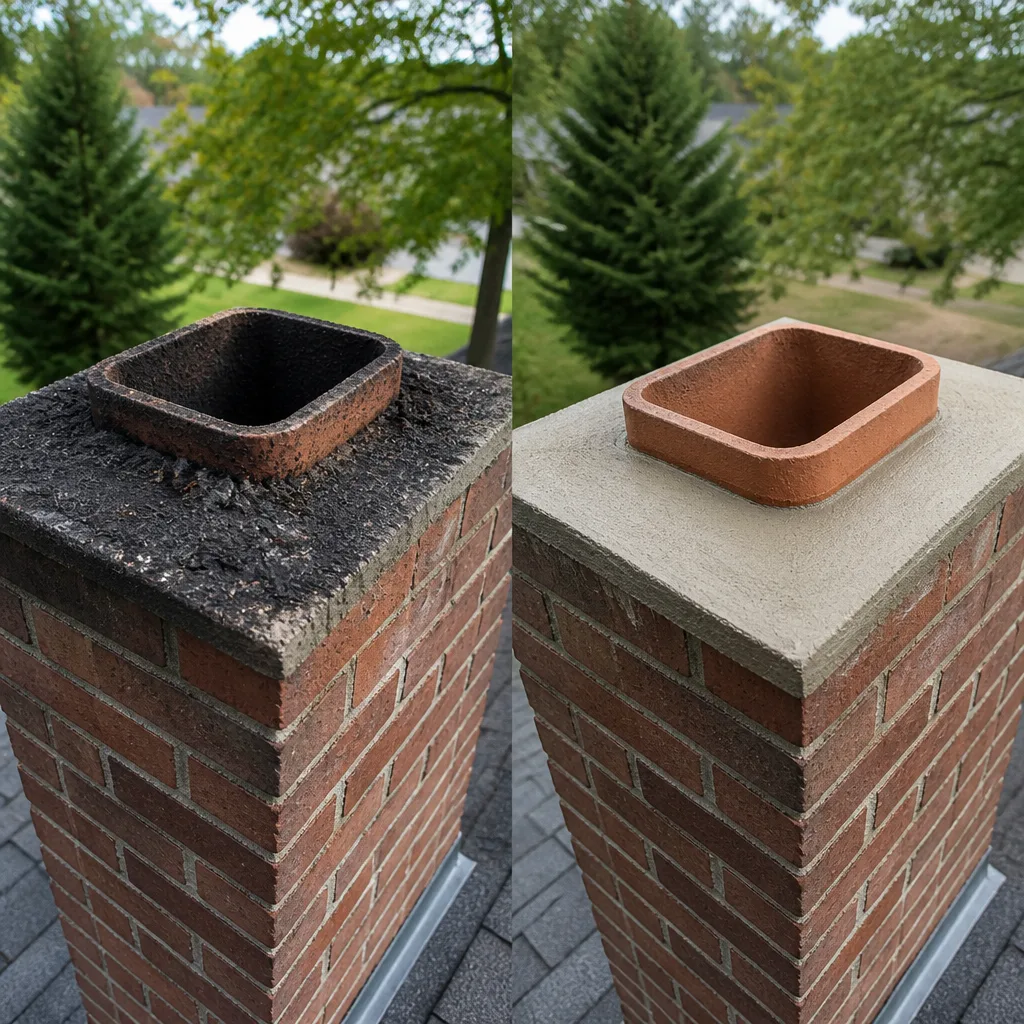
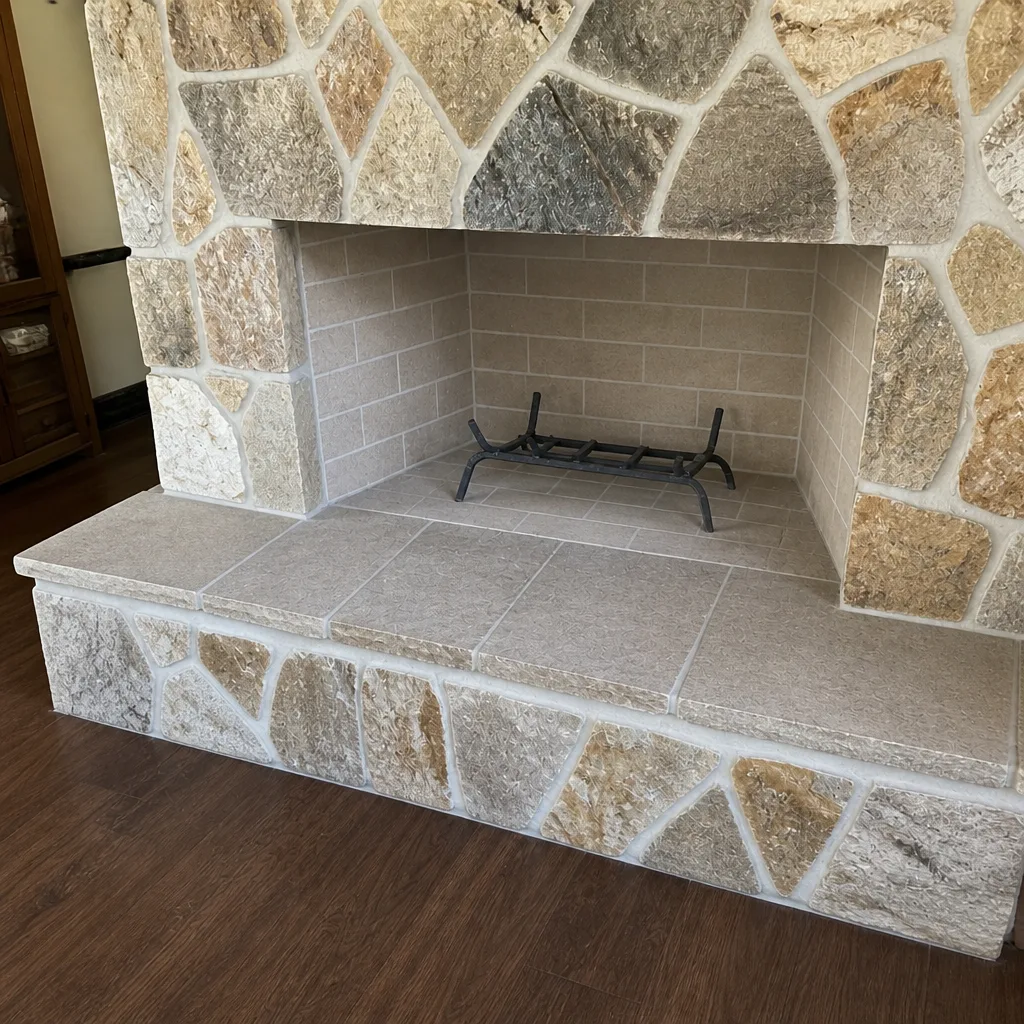
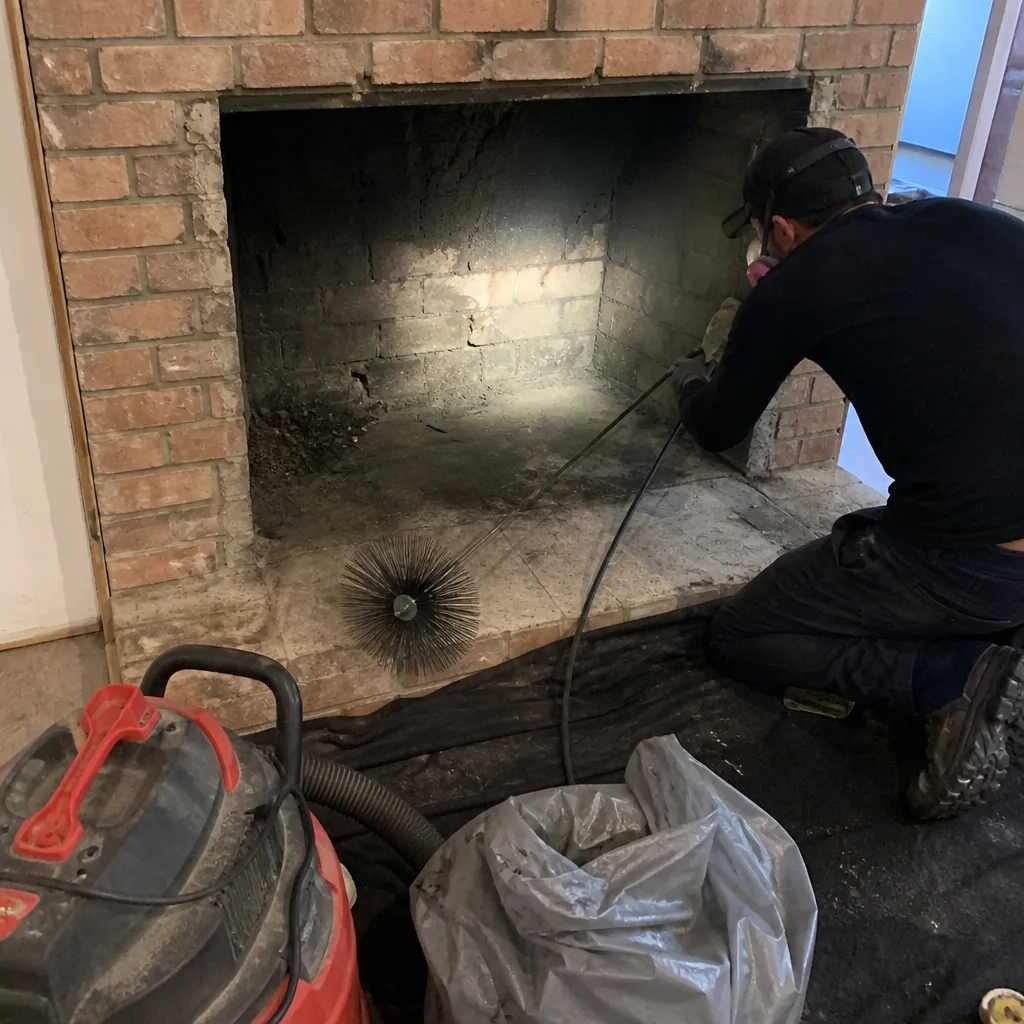
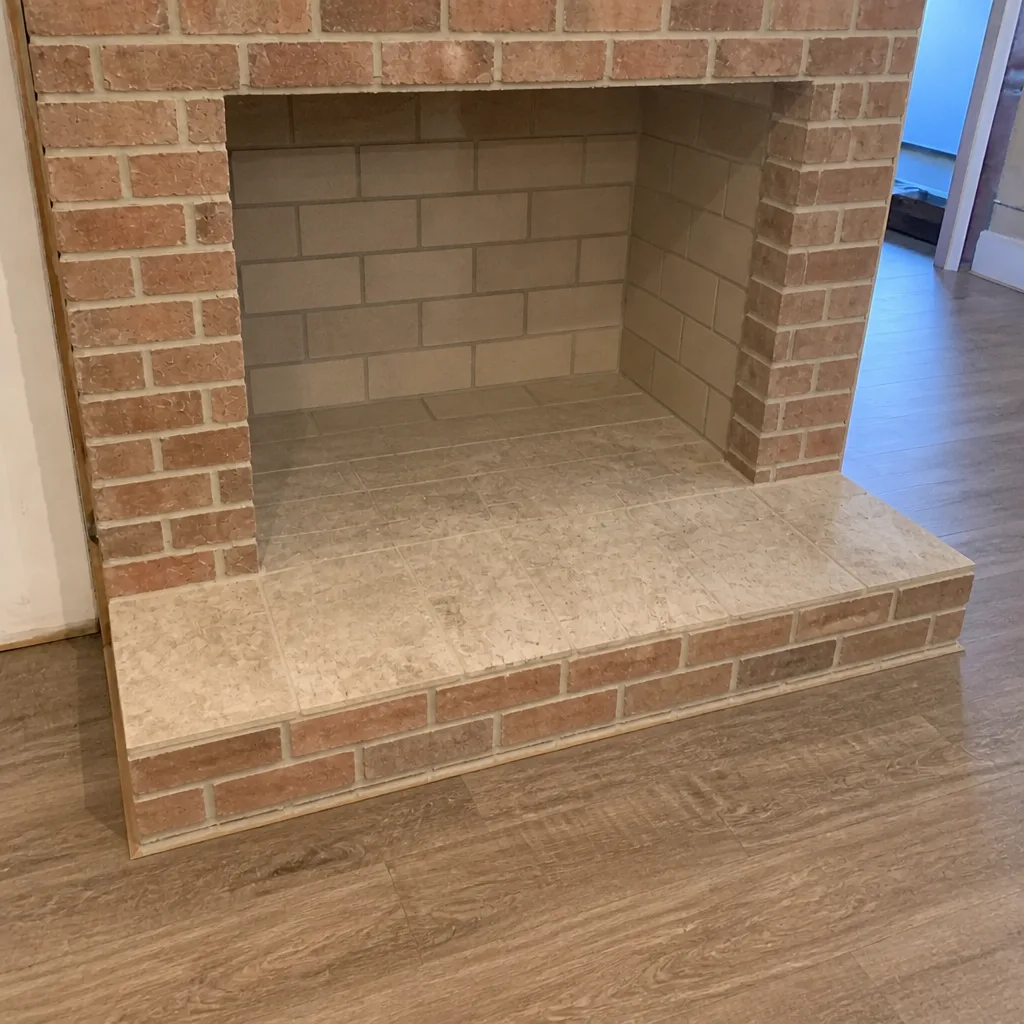
See the difference
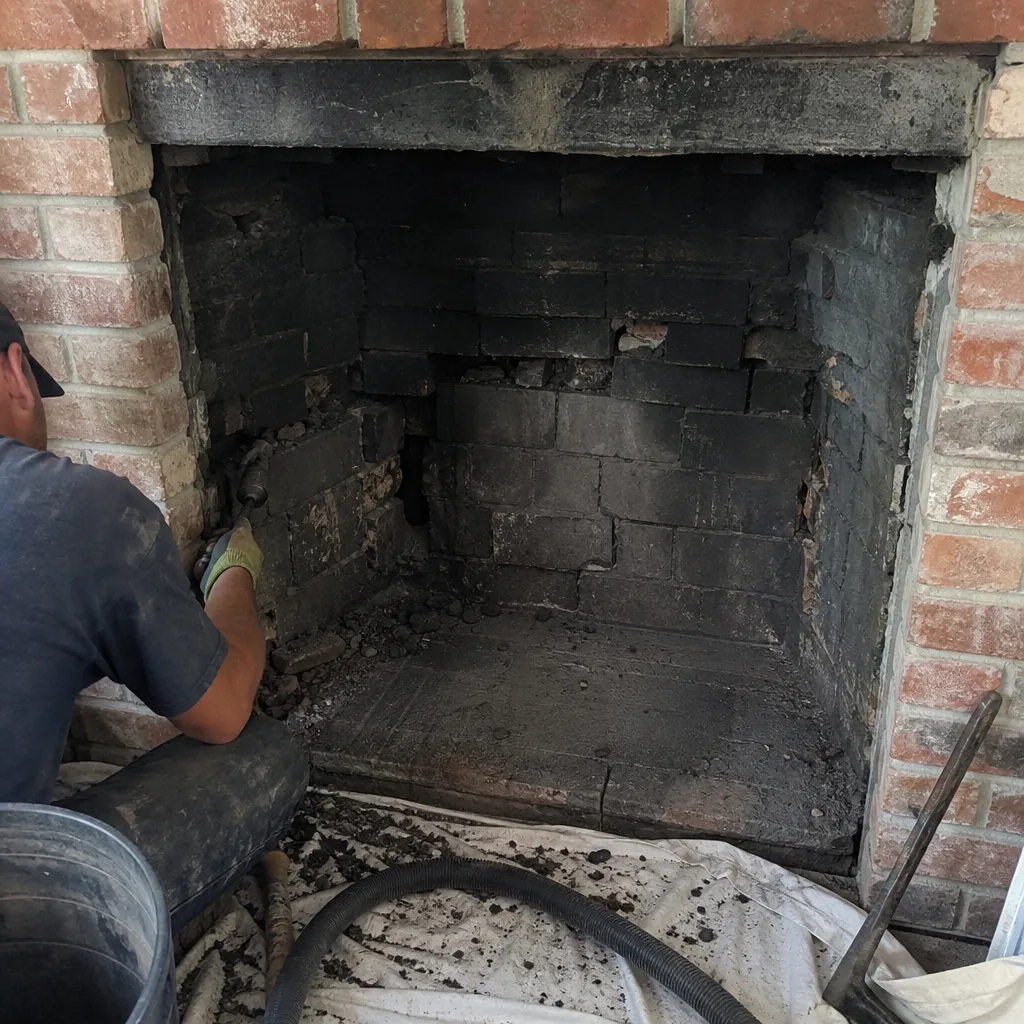 Before
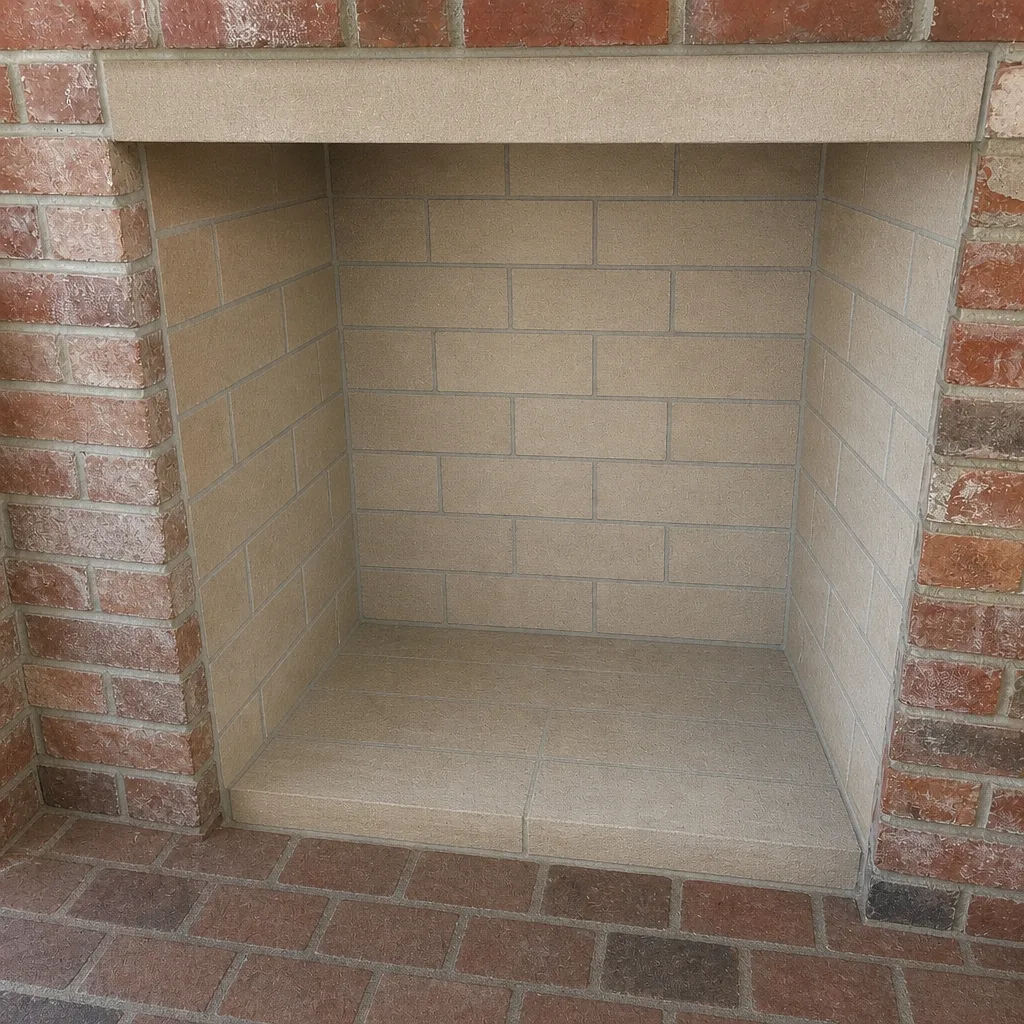 After
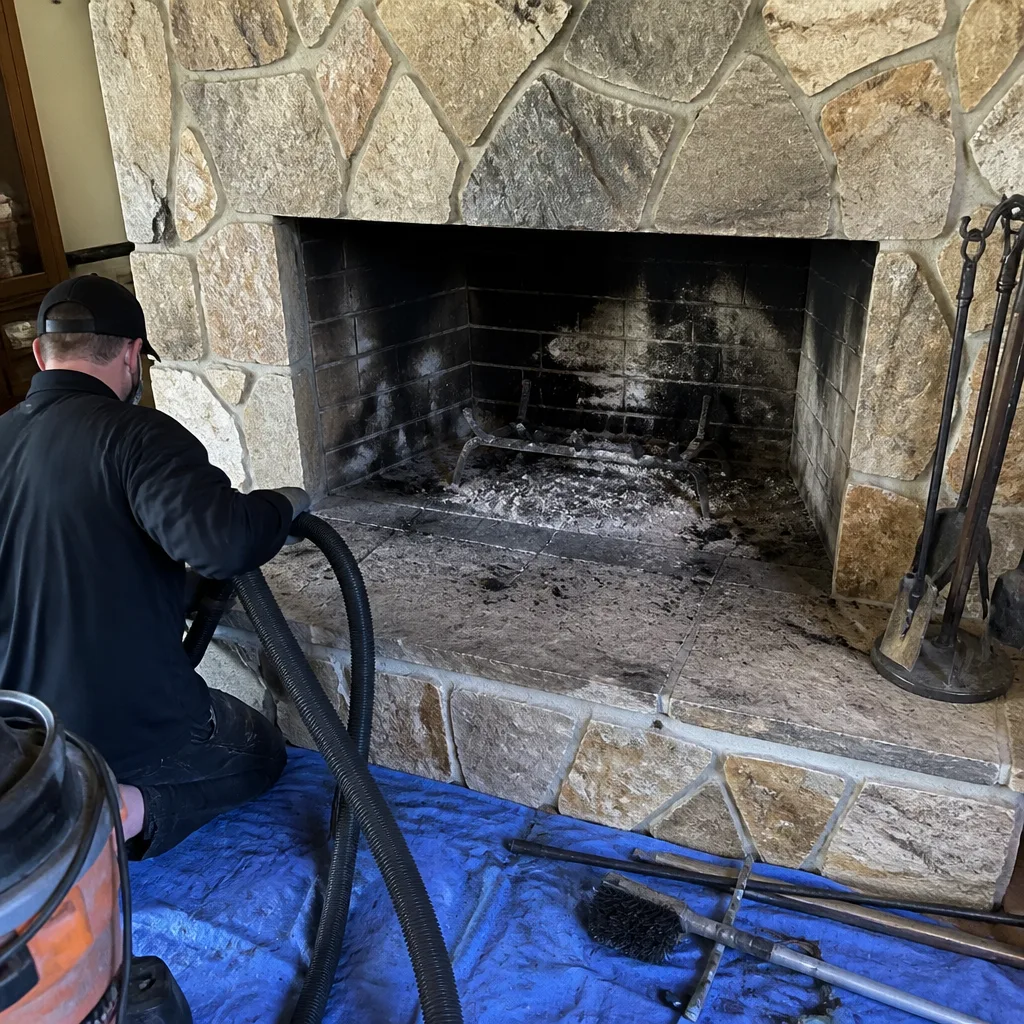 Before
 After
 Before
 After
When to Call a Professional
Call a professional when you’re buying or selling a Spring Hill home and the chimney’s permit history is unclear. Call when a sweep reveals a cracked flue and you’re weighing relining against resurfacing; that’s a code-governed decision, not a DIY one. Call if a cap or chase cover was replaced without documentation, or if you’re not sure whether the last repair was permitted. And call if the sweep hasn’t been done in a while: a professional inspection catches what you can’t see. Chimney Sweep Spring Hill offers free estimates in Spring Hill and the surrounding area. Call (855) 360-8361. We answer 24/7. Fast dispatch from 7am to 7pm, Sunday through Friday. Our technicians have up to 13 years of experience. Written by the team at Chimney Sweep Spring Hill.
Frequently Asked Questions
No. Routine chimney cleaning and visual inspection in Spring Hill and throughout Hernando County don’t require a permit. A permit is only triggered when the work crosses into construction or alteration, such as a liner replacement or a cap installation. Call (855) 360-8361 for an exact quote; estimates are free.
Yes. A liner replacement is a code-governed alteration and requires a permit and inspection in Hernando County. The same applies to HeatShield resurfacing, cap replacement, and any change to venting. If a contractor tells you liner work doesn’t need a permit, that’s a problem worth verifying with the building department.
Contact Hernando County’s building department with your property address. They can look up permit status and tell you whether the work was inspected and finalized. Ask for the permit number and the final inspection record, and keep both with your home records.
The buyer’s home inspection can flag it, and the burden falls on you to prove the work was done right. Resolution often means a contractor pulls a permit retroactively or redoes the work to pass inspection. Preventing it at the time is the cleaner path.
NFPA 211 is the national standard for chimneys and vents, and Florida’s building code references it. It sets the clearances and liner specifications that inspectors evaluate against. A contractor who knows it is one who can explain why a product or installation meets the standard.
A professional camera inspection is how flue cracks and deterioration get caught before they become a problem. Skipping it means you don’t know what condition your chimney is in. We show the camera footage so you can see what we see, and we’ll tell you plainly when work can safely wait.
The Bottom Line
Cleaning is maintenance and needs no permit. Repair is construction and does. That’s the line to remember for any Spring Hill chimney job. A liner replacement, cap install, or HeatShield resurfacing is permitted work under the Florida Building Code and NFPA 211, and the permit and inspection are your protection at resale. Verify permits through Hernando County, keep the records, and choose a contractor who specifies the product and shows you the camera evidence. If you’re due for a sweep or you’re not sure what your flue needs, call (855) 360-8361. We answer 24/7. Fast dispatch from 7am to 7pm, Sunday through Friday. Estimates are free, and the written estimate sets the final price.