
Last updated November 14, 2026
 Sweep & inspection
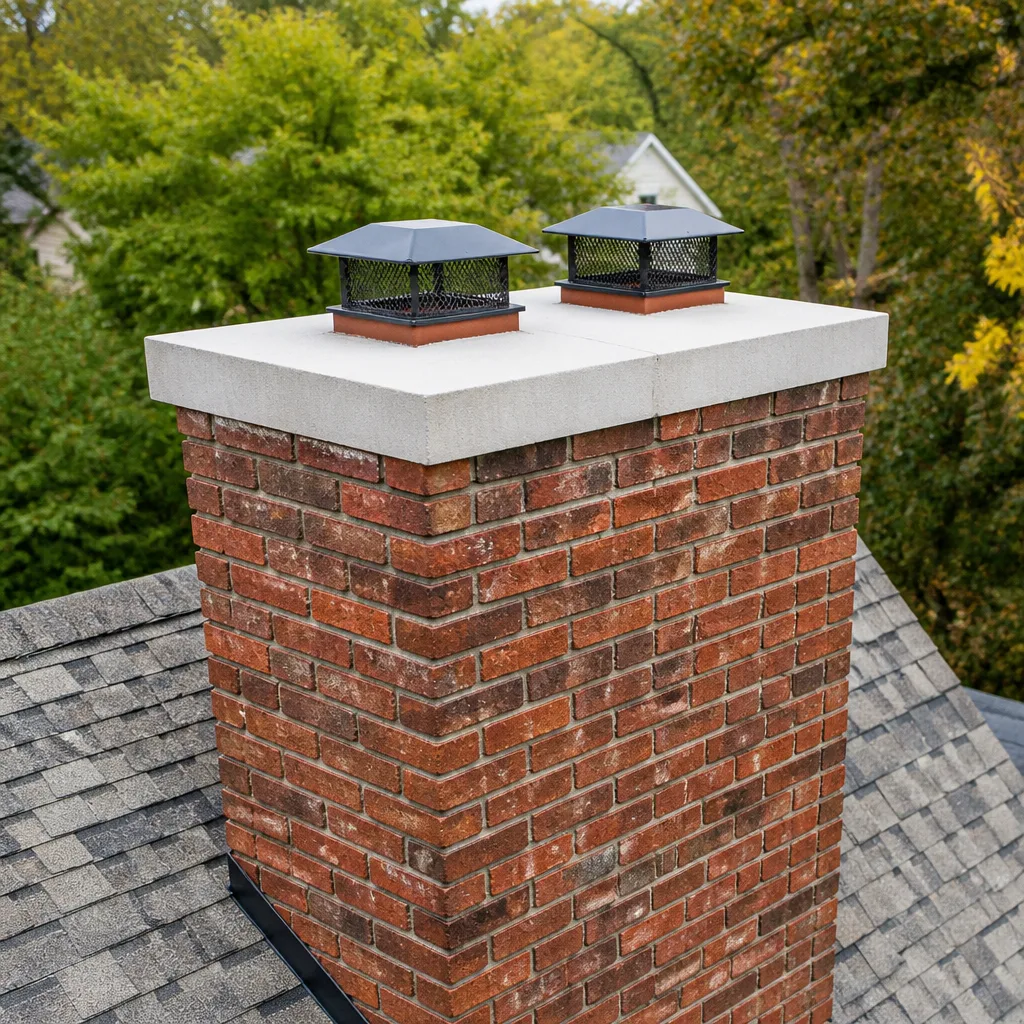 Caps & crowns
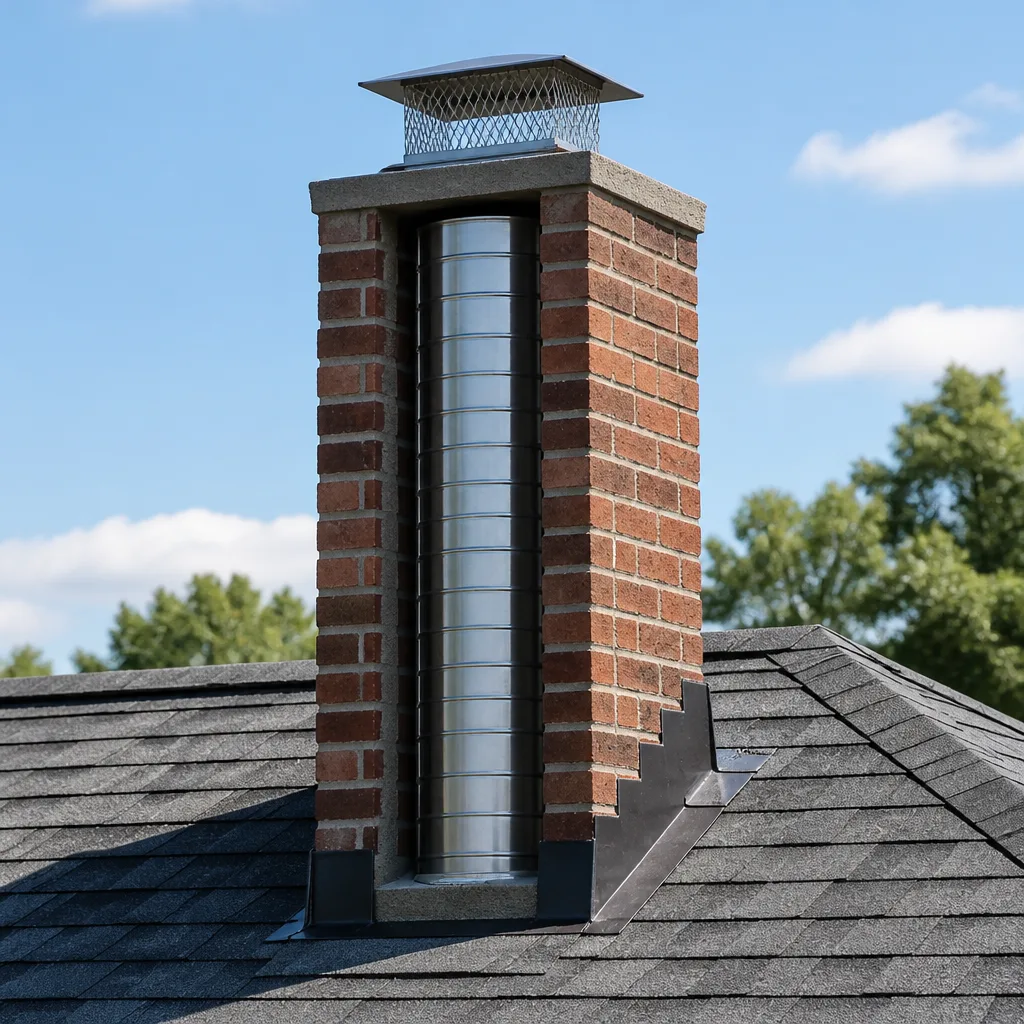 Flue relining
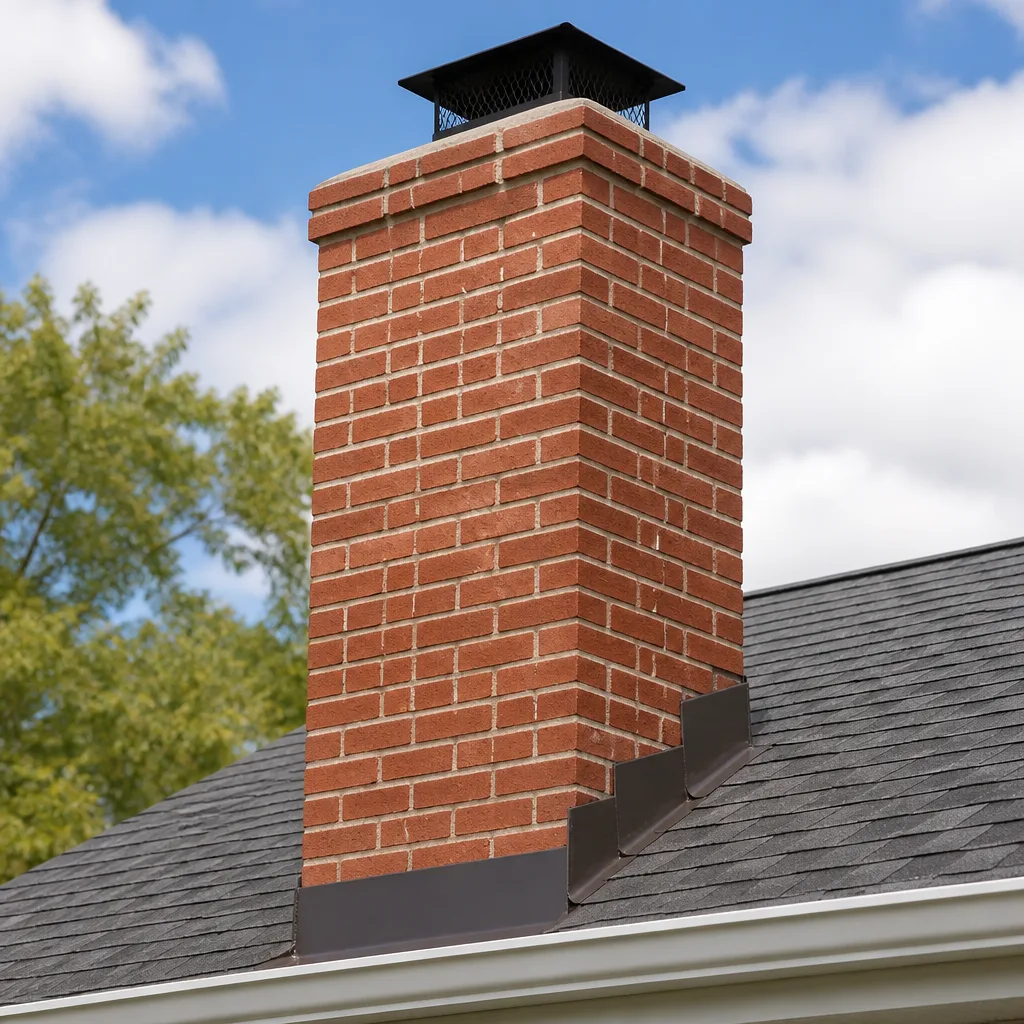 Masonry repair
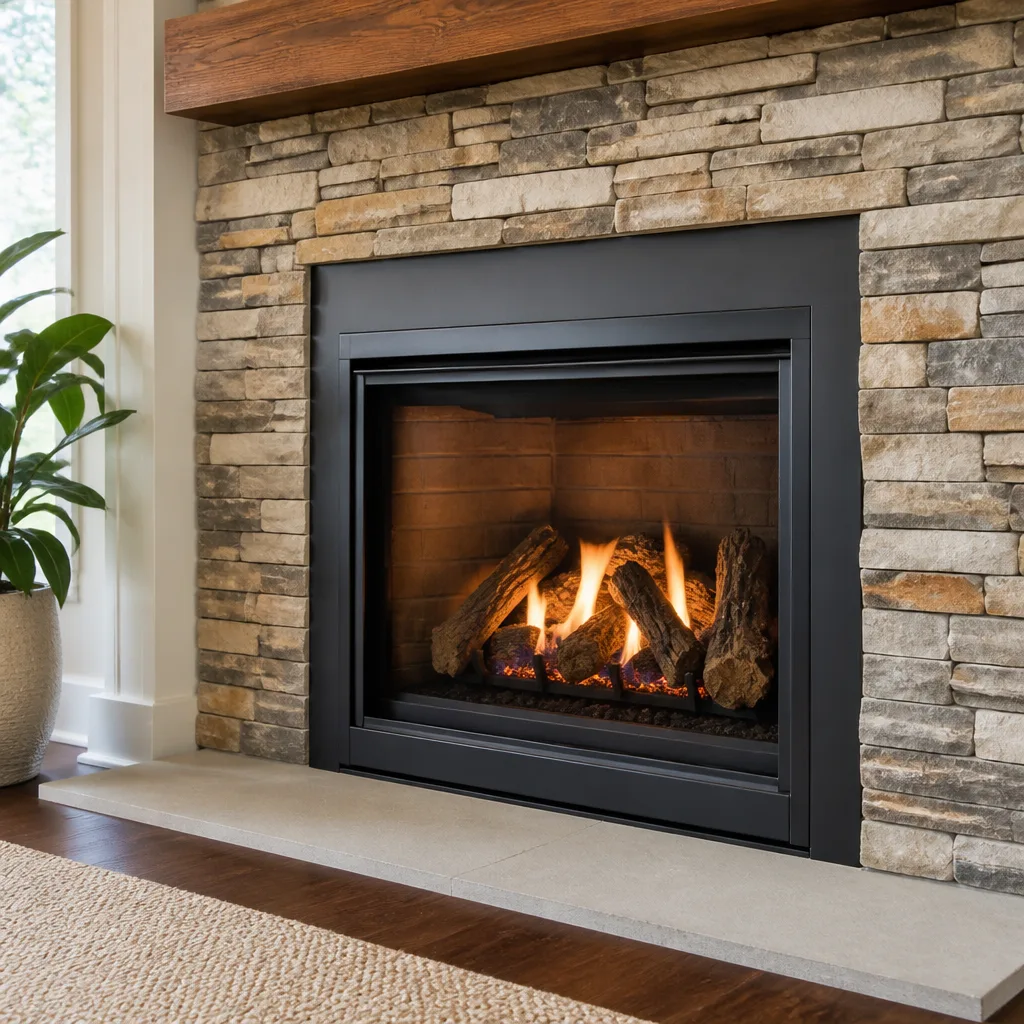 Gas fireplace service
Level 1 sweep and inspection to the NFPA 211 annual standard - flue, crown, cap, and flashing checked and photographed
Chimney sweep logs do not sweep chimneys. They loosen some creosote - which then falls where a brush and vacuum still have to collect it.
Chimney Cleaning Cost Breakdown: The Spring Hill Homeowner’s Reference for 2026
That $79 chimney cleaning coupon in the mail looks like a bargain until the technician is standing in your living room telling you the flue needs $2,000 in work. The low price isn’t usually a bait-and-switch, though. It’s simply a price that can only cover a quick brush pass on a flue that was cleaned recently. A system that hasn’t been touched in years needs inspection, documentation, and often repair, and none of that fits inside a $79 visit. In this Spring Hill reference, you’ll find typical 2026 price ranges for every stage of the job, the variables that legitimately change what you pay, and how to read a quote so you know exactly what you’re buying before anyone climbs on your roof.
Quick Answer
A basic chimney sweep in Spring Hill typically runs $150 to $300, a Level 1 inspection is usually bundled into that sweep, a Level 2 camera inspection runs $200 to $450, and liner replacement generally falls between $2,500 and $6,000 depending on flue height, liner type, and accessibility. These are estimate ranges for 2026, not quotes. The written estimate you receive after an inspection sets the final price, and that number should never change afterward without your approval.
Styles & brands we work with
- Sweep & inspection
- Caps & crowns
- Flue relining
- Masonry repair
- Gas fireplace service
Table of Contents
- What does a basic chimney sweep cost in Spring Hill?
- What’s included in a Level 1 inspection?
- When do you need a Level 2 camera inspection?
- What does liner replacement cost, and why?
- What variables legitimately change the price?
- How to read a chimney quote line by line
- Repair now or defer: what deferred maintenance really costs
- Why the material brand matters in liner and cap pricing
What does a basic chimney sweep cost in Spring Hill?
A standard chimney sweep in Spring Hill typically costs $150 to $300 for a wood-burning fireplace or stove with a single flue. That range covers a full brush-and-vacuum cleaning of the flue, firebox, and smoke chamber, plus a visual check of the accessible components. The price moves toward the top of that range when the flue hasn’t been serviced in several years, when creosote has built up to a glazed stage, or when roof access is difficult on a steep pitch or a two-story home.
The reason a sweep costs more than a monthly furnace filter is that it’s a system check disguised as a cleaning. A thorough job involves:
- Setting up drop cloths and a sealed vacuum so no soot enters your home.
- Brushing the full flue length with the correct brush for the flue material.
- Cleaning the firebox, damper area, and smoke shelf.
- Checking the cap, crown, flashing, and the visible portion of the liner.
- Documenting what was found, in writing, so you have a record.
In the Spring Hill climate, fireplaces often sit idle for months and then get heavy use during the cooler stretches. That on-and-off pattern is exactly what produces creosote, because hot fires followed by long idle periods leave behind deposits that harden and glaze. If you’ve skipped a season or two, expect your sweep to sit near the upper end of the range, and expect the technician to want a closer look at the liner. You can read more about our chimney sweep process to understand what a thorough visit includes.
What’s included in a Level 1 inspection?
A Level 1 inspection typically costs nothing extra on top of a sweep, because it’s the visual check the technician performs while cleaning. The price is built into the $150 to $300 sweep range. A standalone Level 1, when someone hires only for the inspection, usually runs $100 to $200.
A Level 1 inspection covers everything you can see without special tools or access:
- The firebox and damper assembly.
- The accessible flue interior, viewed from below and, when safe, from the top.
- The chimney exterior, crown, cap, and flashing.
- The connection point of any stove or insert.
- Clearances to combustible materials in the visible areas.
A Level 1 inspection is appropriate when your chimney is in regular use and nothing has changed. It’s the routine check that keeps a healthy system healthy. It is not designed to catch problems hidden inside the flue, behind a liner, or in an offset the camera can’t reach from above. When we find something during a sweep that the visual pass can’t settle with confidence, we recommend a Level 2 next, and we tell you why in plain terms rather than handing you a vague “your chimney needs work” verdict.
When do you need a Level 2 camera inspection?
A Level 2 camera inspection in Spring Hill typically costs $200 to $450. It’s the inspection that puts a camera down the flue and records what it finds, including offsets, cracks, gaps in the liner, and the condition of the smoke chamber. A Level 2 is required by industry standards any time a property changes hands, after a chimney fire, after an earthquake or other event that may have shifted the structure, or when you’re switching to a new appliance.
You also want a Level 2 when:
- A Level 1 turns up something it can’t verify.
- The home is older and the liner history is unknown.
- You’re installing a new insert, stove, or appliance that changes the venting demands.
- You smell smoke in the house when the fireplace isn’t in use.
- You’ve had a chimney fire, even a small one you put out yourself.
Here’s the part that matters for reading a quote: a Level 2 is where the camera and the written report become your evidence. If a company tells you the liner is cracked and needs replacing, ask to see the recording. A legitimate recommendation is backed by footage you can review yourself. If a quote for liner replacement arrives without camera documentation, that’s the moment to slow down, not the moment to hand over a deposit. The camera is the difference between a verified problem and a sales pitch.
The inspection timeline works best in reverse order for a first visit. We clean the flue, do the Level 1 visual check, and if the visual check raises questions, we scope it with the camera on the same visit whenever the schedule allows. That saves you a second appointment and keeps the findings connected to the cleaning that revealed them.
What does liner replacement cost, and why?
Liner replacement in Spring Hill typically costs $2,500 to $6,000. The range is wide because the job’s scope varies more than almost any other chimney service. A single-story exterior flue with a straight run and good roof access sits at the low end. A two-story interior chase with an offset, a tight chimney top, or a masonry flue that needs resurfacing first sits at the high end.
What drives the number:
- Flue height and configuration. A taller flue needs more liner material and more labor.
- Liner type. A flexible stainless system for a wood-burning fireplace costs less than an insulated rigid system sized for a specific appliance.
- Access. Roof pitch, chimney height, and surrounding obstacles affect how much time the job takes.
- Condition of the existing flue. A flue that needs resurfacing before the liner goes in adds a step and adds cost.
- Insulation. An insulated liner improves performance and protects against creosote buildup, and it carries a material cost.
- Connected components. A new cap, top plate, and appliance connector are often part of the same job.
We specify DuraFlex flexible liner systems for relining because they’re engineered for the application rather than being generic flex pipe cut to length. The difference shows up in how the liner handles the heat cycling of a wood-burning fireplace over years, not in the first month. For flues that need restoration before a liner can go in, we use HeatShield resurfacing compound, which is designed specifically to restore a deteriorated flue interior. Resurfacing and relining are separate line items on a proper quote, and you should be able to see both, itemized.
Liner pricing is also where the repair-now versus defer decision lives. A cracked or deteriorating liner is a carbon monoxide path. The gas that should go up the chimney can enter the living space instead. That’s not a scare tactic, it’s the reason the liner exists. If a camera inspection shows a compromised liner, we tell you plainly, show you the footage, and let the written estimate do the rest. We don’t recommend a liner because it’s a big-ticket job. We recommend it because the flue no longer contains what it’s supposed to contain.
What variables legitimately change the price?
Five variables legitimately move a chimney cleaning price in Spring Hill. The first is flue height, because a taller flue takes more brushing, more time, and sometimes a different setup. The second is accessibility, meaning the roof pitch, the chimney’s position, and whether your home is one story or two. A steep roof or a chimney tucked behind a dormer adds labor.
The third is the creosote stage:
- Stage 1. Light, flaky soot. Brushes off easily. This is the cheapest visit and the one a low-price coupon actually covers.
- Stage 2. Denser, tar-like deposits. The brush still works but takes more passes and more time.
- Stage 3. Glazed, hardened creosote that has essentially baked onto the flue wall. It’s a fire hazard and it doesn’t brush off. Stage 3 often requires chemical treatment or specialized removal before a cleaning can be called complete, and it frequently points to a liner problem underneath.
The fourth variable is time since last service. A flue cleaned every year stays in the low range. A flue that has gone four or five years without a sweep will need more work to return to a clean, safe baseline. The fifth variable is whether the system needs repair alongside the cleaning. A damaged crown, a missing cap, or a cracked liner found during the sweep adds cost because it’s real work, not because the company is padding the bill.
What doesn’t legitimately change the price: the time of day, the season, or how far the technician has to drive within the Spring Hill area. We don’t charge more for a job because it’s busy, and the written estimate is the written estimate. If a quote climbs between the phone call and the invoice with no new findings to explain it, ask why. A responsible company will walk you through each line.
How to read a chimney quote line by line
A chimney quote you can trust has specific parts. Use this checklist when one lands in your hands:
- A stated scope. What exactly is being cleaned or repaired, and which flue if there’s more than one.
- Inspection level. Level 1, Level 2, or both, spelled out. A quote that just says “inspection” is not specific enough.
- Written inspection report. Not a verbal summary. A document you keep.
- Camera documentation if a Level 2 was done, or if liner work is recommended. Ask for the footage.
- Itemized line items. The sweep, the inspection, the repair, and the materials should each appear separately.
- Material specification. The quote should name the liner system, the cap, and the resurfacing product, not just say “new liner.”
- A clear price that matches what you discussed, with no “starting at” language that can drift.
The “starting at” quote is the one to watch. It usually refers to the smallest, simplest version of the job and leaves the real scope open. If you see a low headline price with an asterisk, ask what it includes and what it excludes. If the answer is that it covers a brush pass on a recently serviced flue and nothing more, you now know what you’re comparing, and you can ask for a quote that reflects your actual system.
A company that does chimney repair alongside cleaning can put the diagnostic and the fix on the same visit. That means the findings from the camera are addressed by the same hands that found them, with no referral lag and no second company to schedule. When you’re reviewing a quote for Spring Hill homes, that continuity is worth asking about directly.
Repair now or defer: what deferred maintenance really costs
Some chimney work can wait. Some can’t. The trick is knowing which is which, and that decision should be made from camera evidence, not from a salesperson’s urgency. Here’s how we think about it:
- Can safely wait: A slightly worn crown that isn’t yet letting water in. A cap that’s intact but showing age. Minor surface spalling on the exterior masonry that isn’t affecting the flue.
- Should be scheduled soon: A missing or damaged cap that’s letting rain and animals into the flue. A crown with a visible crack. A flue that hasn’t been cleaned in several years and is at Stage 2 creosote.
- Should not wait: A cracked or compromised liner. A blocked flue. A damaged smoke chamber. Any condition that creates a path for carbon monoxide into the home. These are the items where a wait turns a repair into a larger repair, or into a hazard.
Deferred maintenance compounds. A crown that cracks lets water into the masonry, the masonry spalls, the spalling loosens the liner, and a $300 crown repair becomes a $4,000 relining job. A flue left at Stage 2 creosote glazes to Stage 3, and a routine sweep becomes a specialized removal. None of this requires a hard sell to explain. It’s just how chimneys fail.
The remedy is a written report with a timeline. When we find something, we tell you what it is, what it costs to fix now, what it costs to wait, and whether waiting is safe. If a problem can wait, we say so. That’s the point of the camera: it lets you make the decision yourself, with the footage in front of you, rather than taking anyone’s word for it.
Why the material brand matters in liner and cap pricing
The brand on a liner or cap is not cosmetic. It reflects how the component was engineered, what it was tested for, and how long it’s likely to last. A hardware-store cap and a purpose-built cap can look similar on the outside and behave very differently after a few seasons of Spring Hill heat, rain, and wind. The price difference usually reflects the test standard, the material thickness, and the fit to your specific flue.
We source components through established chimney supply networks for exactly this reason. A flexible liner for a wood-burning fireplace is not the same product as a generic flex pipe sized by eye. A cap is not just a lid; it’s a component that keeps water, animals, and debris out while allowing exhaust to escape cleanly. We work with Olympia Chimney and Copperfield for components, and with Gelco and Famco for caps and venting solutions, because those products are purpose-built for chimney applications rather than improvised from general hardware.
When you compare two quotes and one is significantly cheaper on materials, ask what brand is being specified. If the answer is vague, that’s information. A quote that names its liner system and its cap is a quote you can verify. A quote that says “new liner” and “new cap” without specifics is asking you to trust that the cheapest available product is the right one for your flue. We’d rather you know exactly what’s going on your chimney, and why.
The same logic applies to dryer vent cleaning, which many chimney-only companies don’t offer at all. A clogged dryer vent is a leading cause of household fires, and it’s a system that needs the right tools and the right inspection just like a flue does. Cleaning, repair, and dryer vent service from one company means one point of contact and one set of documentation for the whole venting system in your home.
Common Mistakes to Avoid
- Booking on price alone. A $79 special is a real price for a real service: a brush pass on a recently serviced flue. If your chimney hasn’t been cleaned in years, that price won’t reflect your job, and the surprise comes later.
- Accepting a liner replacement quote without camera footage. If a company recommends a new liner and can’t show you the crack on video, ask for the recording before you sign anything. The footage is your evidence.
- Skipping the written report. A verbal “you’re all set” leaves you with nothing to compare next year. Ask for the report in writing, every visit.
- Assuming a sweep covers the whole system. The sweep cleans the flue; the inspection checks the crown, cap, flashing, and connections. Make sure your quote says which is included.
- Letting a small crown crack sit through the rainy season. Water intrusion is the slow, quiet way a $300 repair becomes a multi-thousand-dollar relining job.
- Forgetting the dryer vent. A dryer vent isn’t part of the chimney, but it’s part of the same fire-safety picture, and it’s often overlooked for years at a time.
- Taking a “starting at” price as your price. Ask what the low number includes and what it excludes before you book, so the estimate you get at the end matches the one you expected at the start.
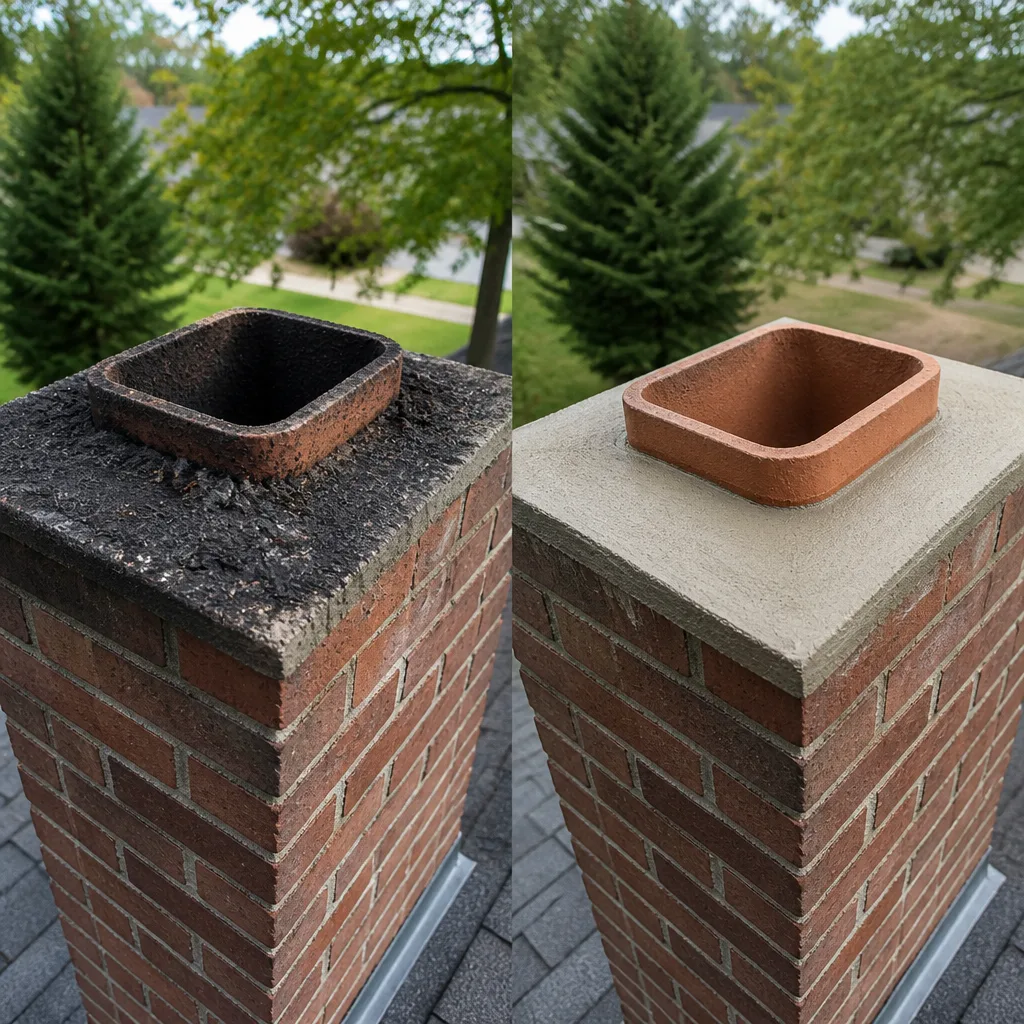
See the difference
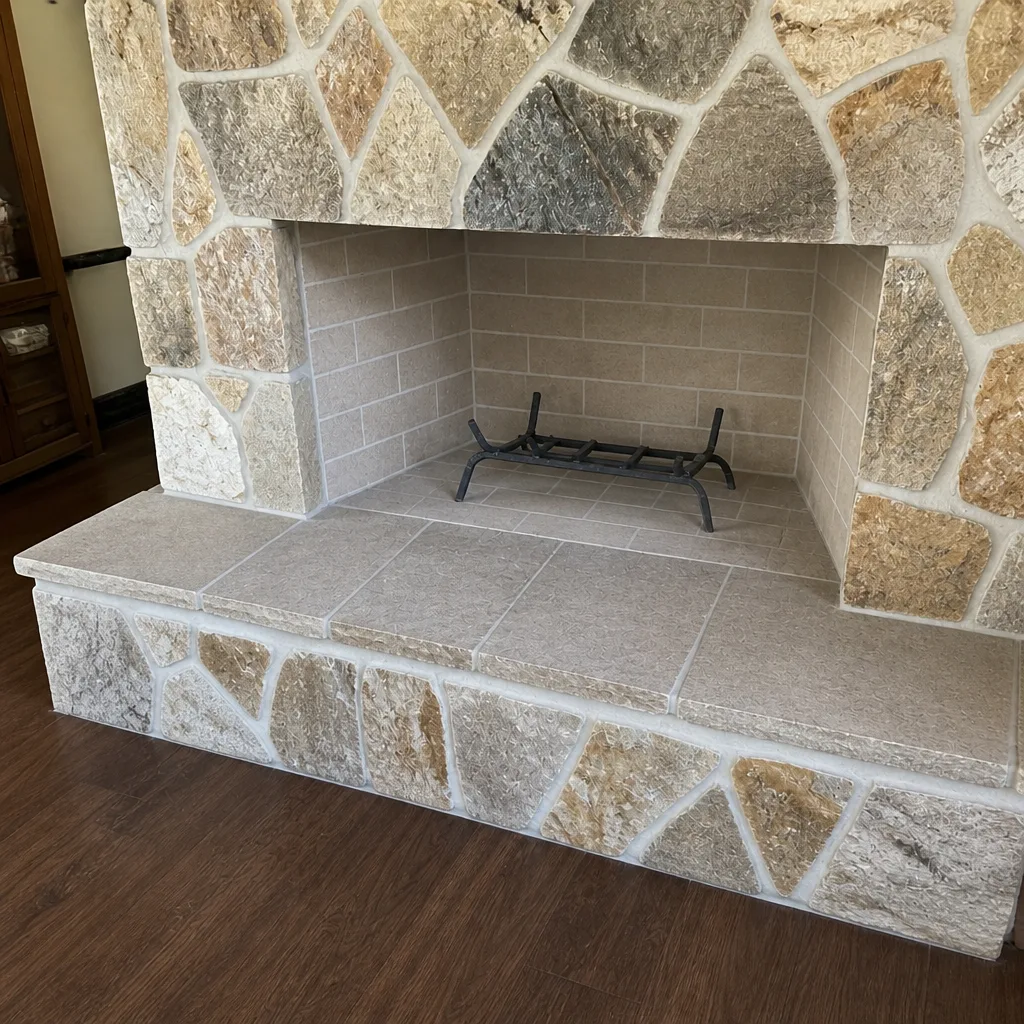
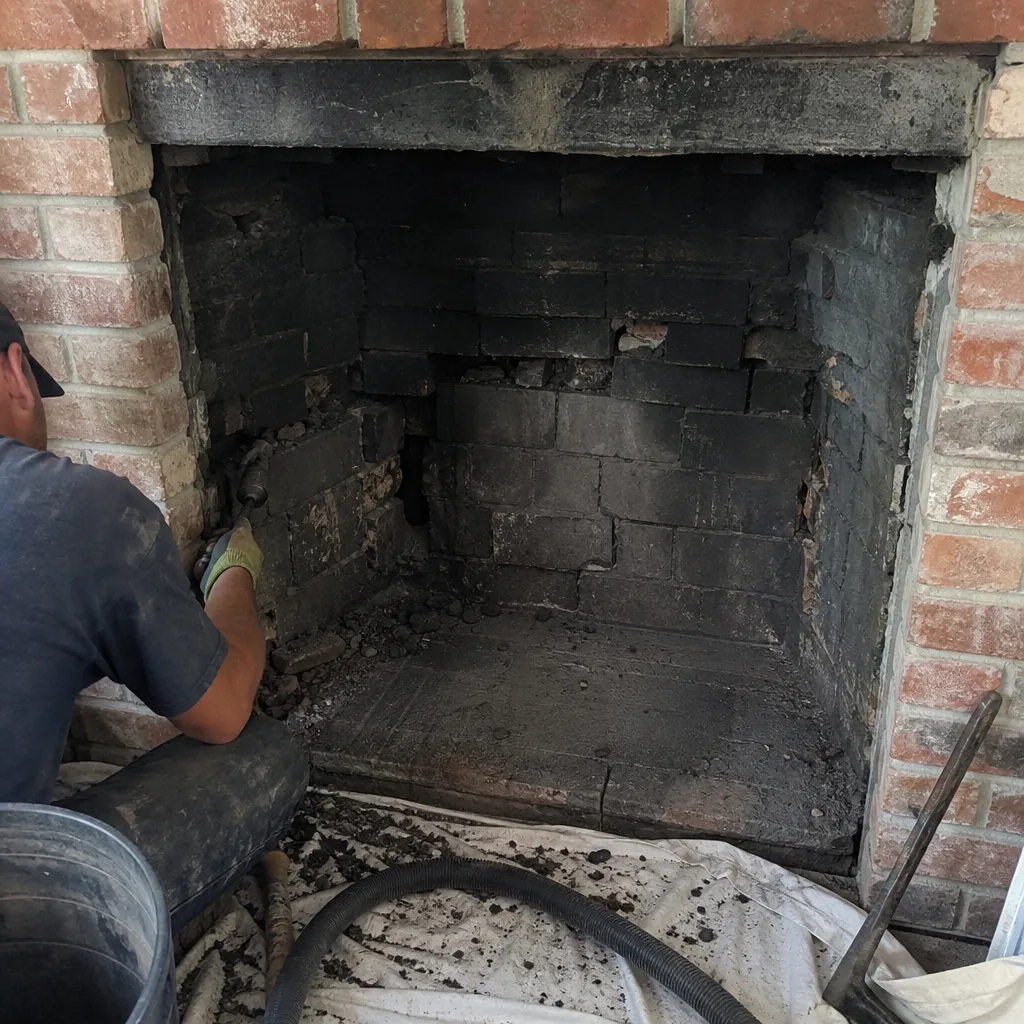 Before
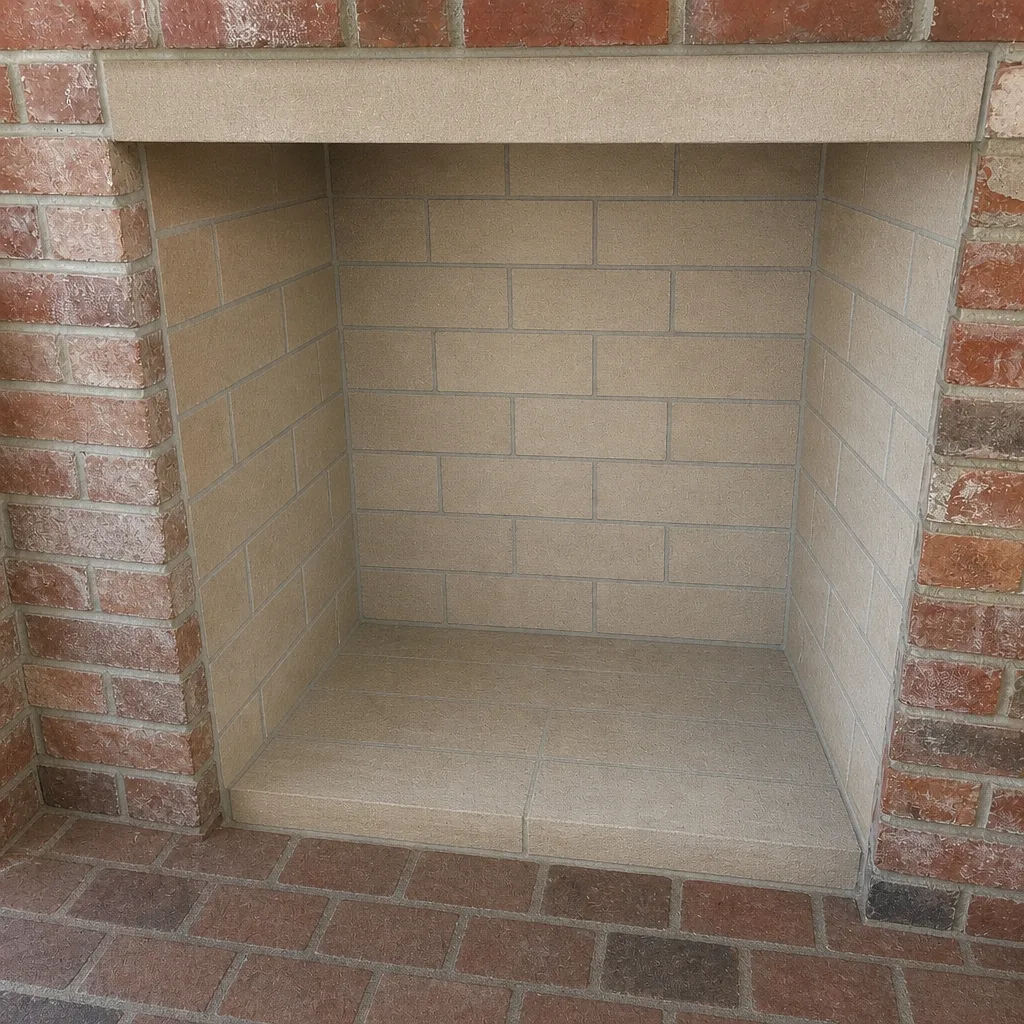 After
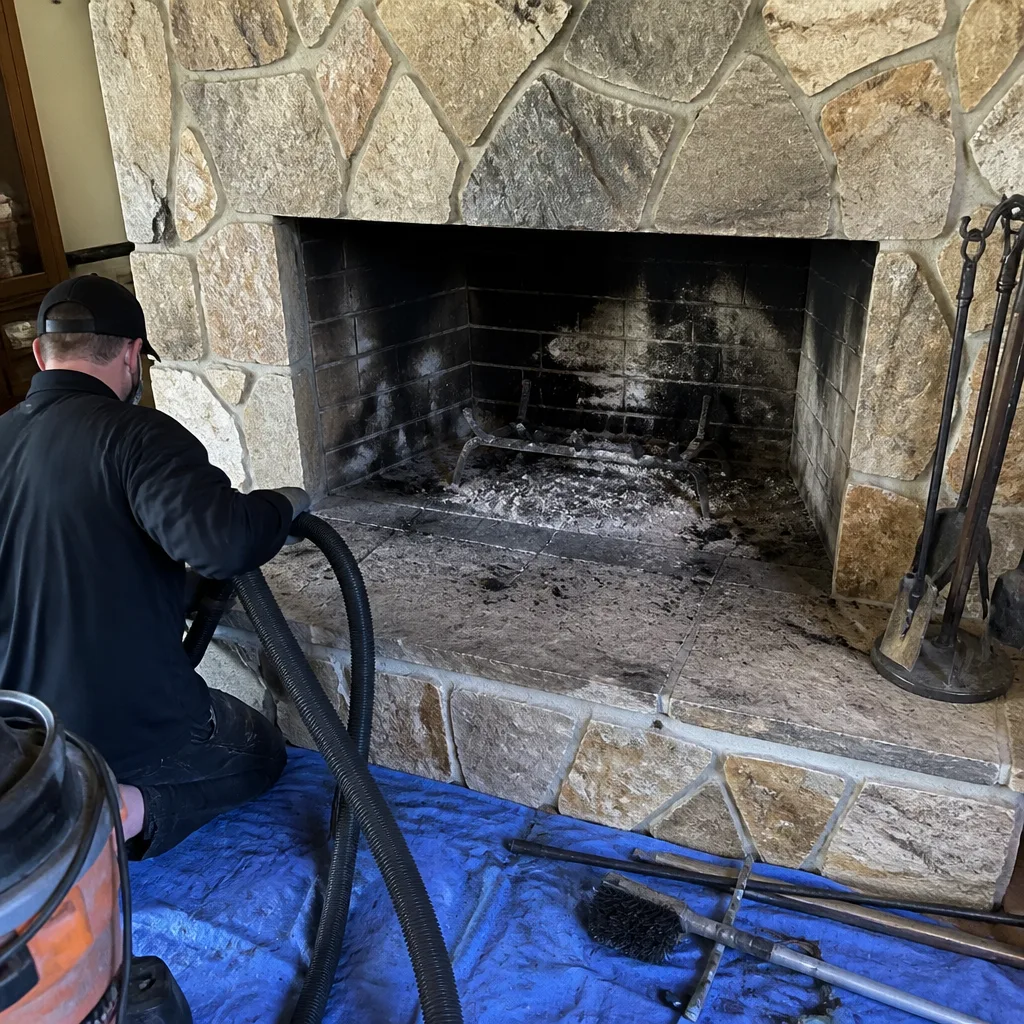 Before
 After
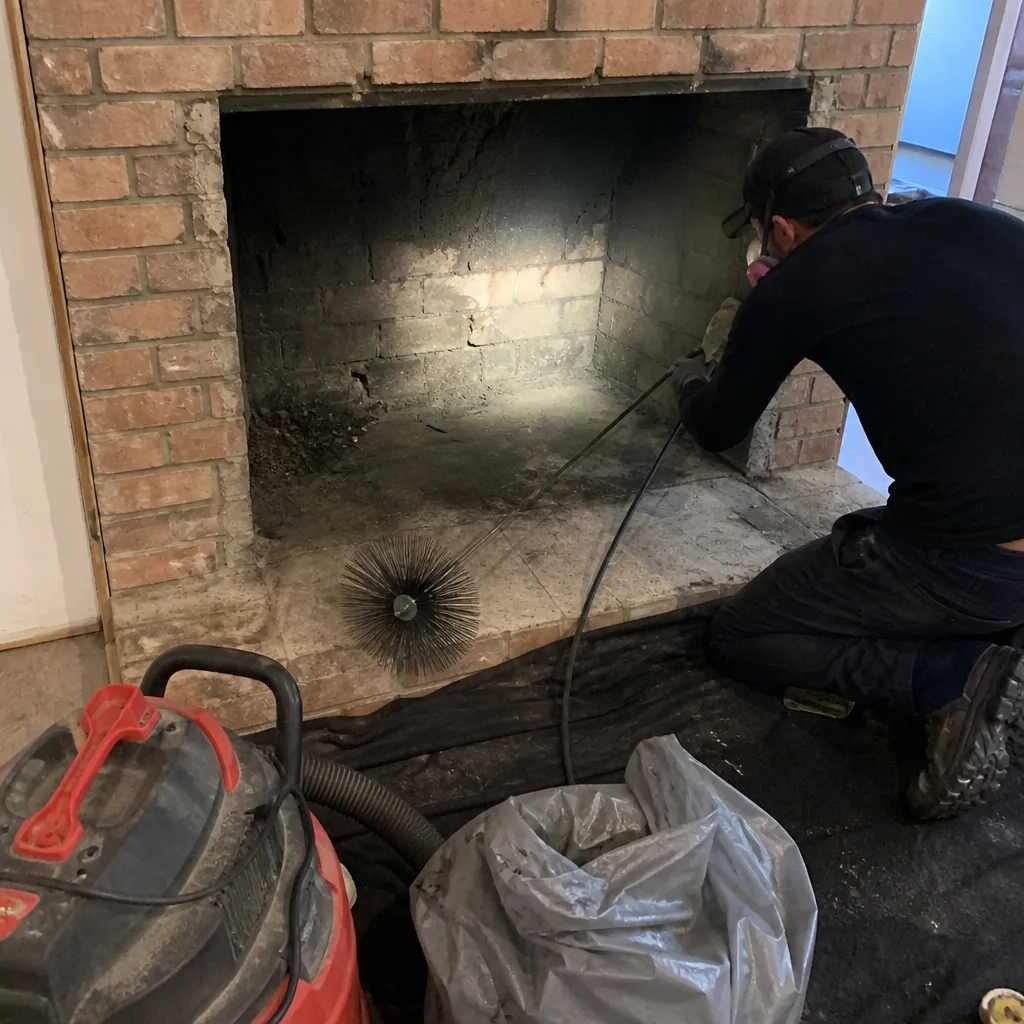 Before
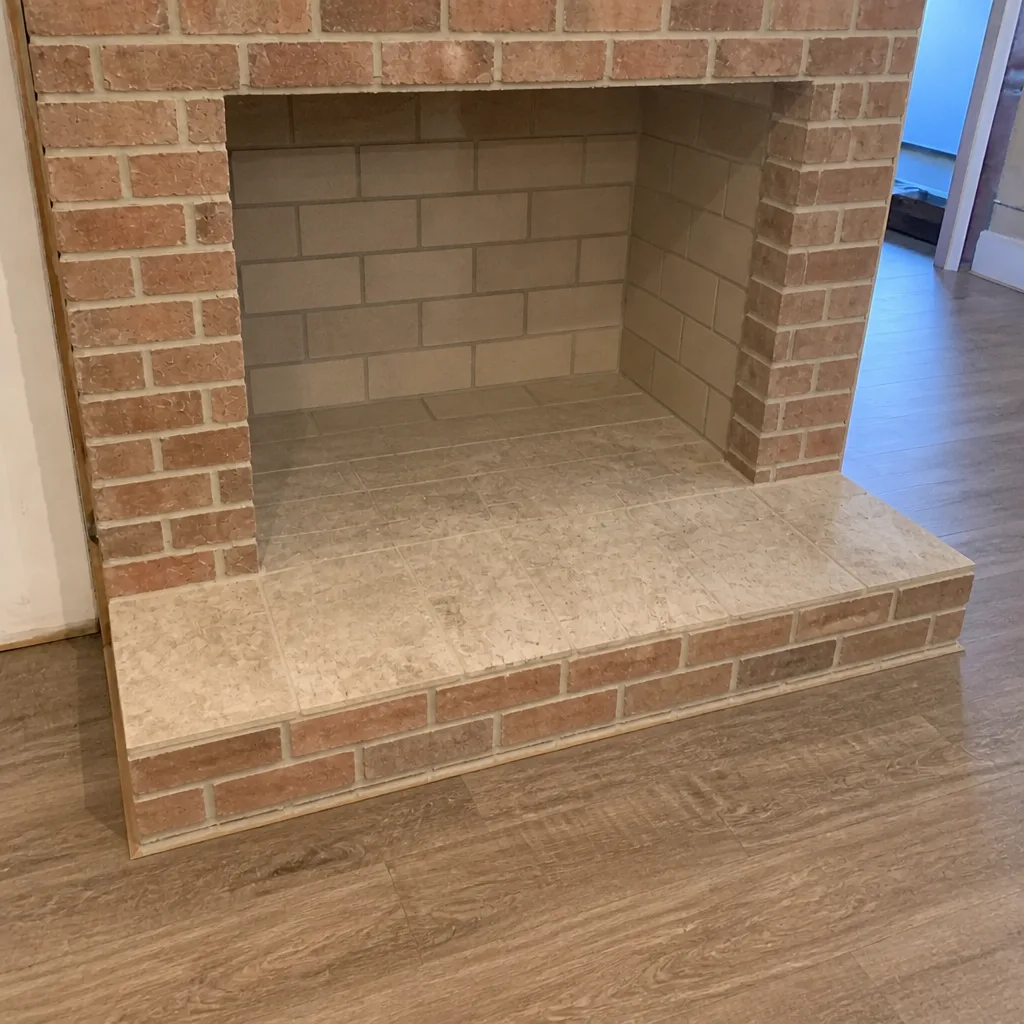 After
When to Call a Professional
Call a professional when your flue hasn’t been cleaned in more than a year, when you smell smoke in the house while the fireplace is off, when you’ve had any chimney fire, when you’re buying or selling a home in Spring Hill, or when you’re adding an insert or stove and need the venting evaluated. Call when the cap is missing or damaged, when the crown is cracked, or when you see creosote that looks glazed rather than flaky. Call before the cooler season’s first fire, not after. Our technicians have up to 13 years of experience, and we bring a camera and a written report to every job that needs one. Chimney Sweep Spring Hill offers free estimates in Spring Hill, and you can call (855) 360-8361. We answer 24/7. Fast dispatch from 7am to 7pm, Sunday through Friday.
Frequently Asked Questions
A basic chimney sweep in Spring Hill typically costs $150 to $300, including a Level 1 inspection. The price moves toward the top of the range for a flue that hasn’t been serviced in several years, for Stage 2 creosote, or for difficult roof access. Estimate ranges, not literal quotes: your written estimate sets the final price. Call (855) 360-8361 for an exact quote, and estimates are free.
Only if the camera inspection shows the liner is cracked, separated, or otherwise compromised. A liner that’s intact doesn’t need replacing, no matter how old it is. Ask to see the footage before you agree to anything; a legitimate recommendation comes with video documentation you can review yourself. If a company won’t show you the footage, get a second opinion. Call (855) 360-8361 and we’ll walk you through what the camera shows, with no pressure to decide on the spot.
Most wood-burning fireplaces should be swept once a year, or more often if you burn heavily. A gas insert or appliance should be inspected annually even though it produces less creosote. If you’ve gone more than a year without a sweep, book one before the cooler season starts, not after the first fire. Call (855) 360-8361 to get on the schedule, and estimates are free.
Creosote builds up in stages, and a flue left uncleaned can reach Stage 3, which is glazed and doesn’t brush off. A chimney fire becomes more likely as that buildup increases, and a compromised liner becomes a path for carbon monoxide into the home. Neither outcome is instant, which is exactly why skipping a year is easy to do and easy to regret. Call (855) 360-8361 before the buildup gets ahead of you, and estimates are free.
Often yes. Because we offer cleaning and repair together, a problem found during a sweep can be addressed without a second appointment or a referral to another contractor. The camera inspection and the fix come from the same hands, and the written report travels with the job. Call (855) 360-8361 for an exact quote, and estimates are free.
Gas appliances are generally inspected rather than swept, so the visit covers a different scope than a wood-burning flue. The cost depends on the appliance and its venting, and it’s set per job by the written estimate. We’ll tell you what your specific system needs before any work starts. Call (855) 360-8361 for an exact quote, and estimates are free.
The Bottom Line
Chimney cleaning pricing in Spring Hill varies because the scope of work varies. A brush pass on a serviced flue is the cheapest version of the job, and it’s what a low headline price actually buys. A system that’s gone years without attention needs an inspection, possibly a camera, and often a repair, and those line items cost real money. A basic sweep typically runs $150 to $300, a Level 2 inspection $200 to $450, and a liner replacement $2,500 to $6,000, depending on the flue. The written estimate, backed by camera evidence, is what you should hold any company to. Nothing gets recommended without documentation you can see, and a problem that can safely wait gets a timeline rather than a hard sell.
If it’s been more than a year since your last sweep, or if you’ve never had a chimney check in your current home, the right first step is a cleaning with a proper inspection. Reach out to the team at Chimney Sweep Spring Hill for a free estimate, and we’ll tell you what your system actually needs. Call (855) 360-8361 for a free estimate. We answer 24/7. Fast dispatch from 7am to 7pm, Sunday through Friday.
Written by the team at Chimney Sweep Spring Hill.